REC vs SunPower solar panels: SunPower performs slightly better and carries a longer warranty; REC costs less and delivers nearly the same value. REC suits most Australian homes; SunPower suits buyers with limited roof space or those who want the top-performing panel regardless of price.
REC and SunPower get compared because they’re the two most recommended premium panel brands in Australia, priced close together and aimed at the same buyer: someone upgrading from a budget system, not shopping for the cheapest one. Pick wrong and you either overpay for headroom you won’t use, or underpay and lose efficiency and warranty years you’ll want later.
This guide compares price, performance, and warranty, so you know which fits your home before requesting quotes.
Overview of REC solar panels in Australia
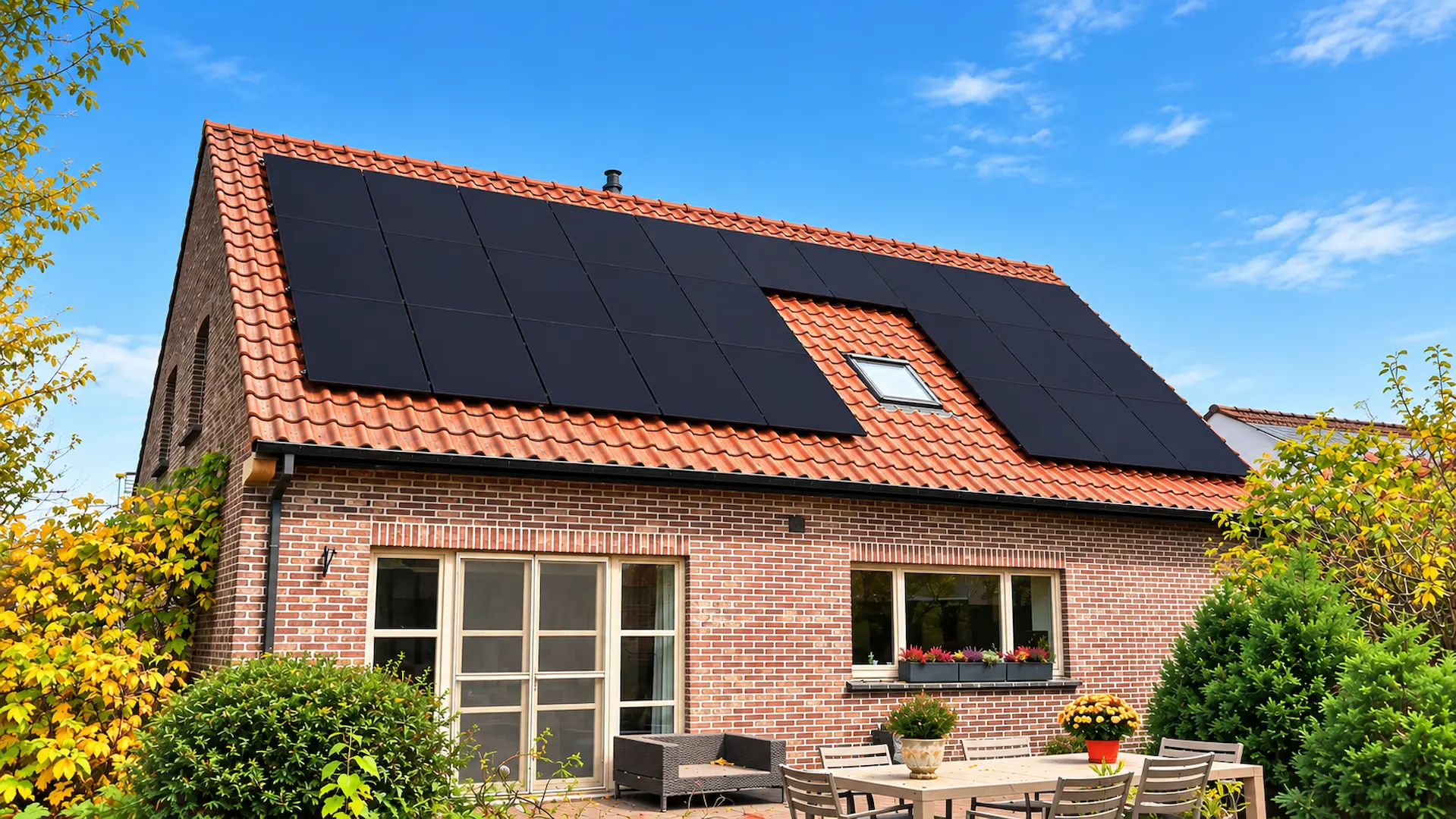
REC (Renewable Energy Corporation) is a Norway-founded, Singapore-manufactured solar brand sold widely in Australia. REC panels deliver efficiency up to 22.6% across their TwinPeak 5, Alpha Pure, and Alpha Pure-RX series, and manufacturing has run in Singapore since 2010, with a reputation for ultra-strong frames that withstand 35mm hailstones. Panels use heterojunction (HJT) cell technology, known for low degradation and strong heat tolerance, which suits Australia’s hot climate.
How It Works
- HJT cells combine crystalline silicon with thin amorphous silicon layers, cutting energy loss and heat sensitivity.
- Half-cut, gapless cell layout reduces resistance and boosts power density per panel.
- A 0.25% annual degradation rate means the panel still produces at least 92% of nameplate power in year 25.
Key Features
- Efficiency up to 22.6%, among the highest available.
- 25-year performance warranty; REC ProTrust adds an extra 5 years on product warranty plus labour cover up to 25 years.
- Alpha Pure-RX tested against 45mm hailstones at 110 km/h with no glass breakage.
- All-black, compact design.
Pros
- High efficiency means fewer panels for the same output.
- Strong warranty and hail/wind durability.
- Low degradation, so output stays high long-term.
Cons
- Premium price versus budget brands.
- Higher voltage (~65V) needs compatible inverters/microinverters, limiting some pairing options.
- Overkill for small budgets or unshaded, spacious roofs.
Best Use For
- Limited roof space needing maximum output.
- Homes wanting long-term reliability and low maintenance.
- Time-of-use electricity plans, for homes with time-of-use rates where maximizing afternoon production adds value.
Available REC Models in Australia
| Feature | REC Alpha Pure-R | REC Alpha Pure-RX |
| Cell Type | 80 HJT half-cut bifacial | 88 HJT half-cut bifacial |
| Power Output (STC) | 400W–430W | 450W–470W |
| Max Efficiency | Up to 22.3% | Up to 22.6% |
| Temp. Coefficient (Pmax) | -0.26%/°C | -0.24%/°C |
| Dimensions (mm) | 1730 x 1118 x 30 | 1728 x 1205 x 30 |
| Weight | 21.5 kg | 22.7–23.4 kg |
| Warranty | 20–25 yrs product, 25 yrs (92%) power | 20–25 yrs product, 25 yrs (92%) power |
Overview of SunPower solar panels in Australia
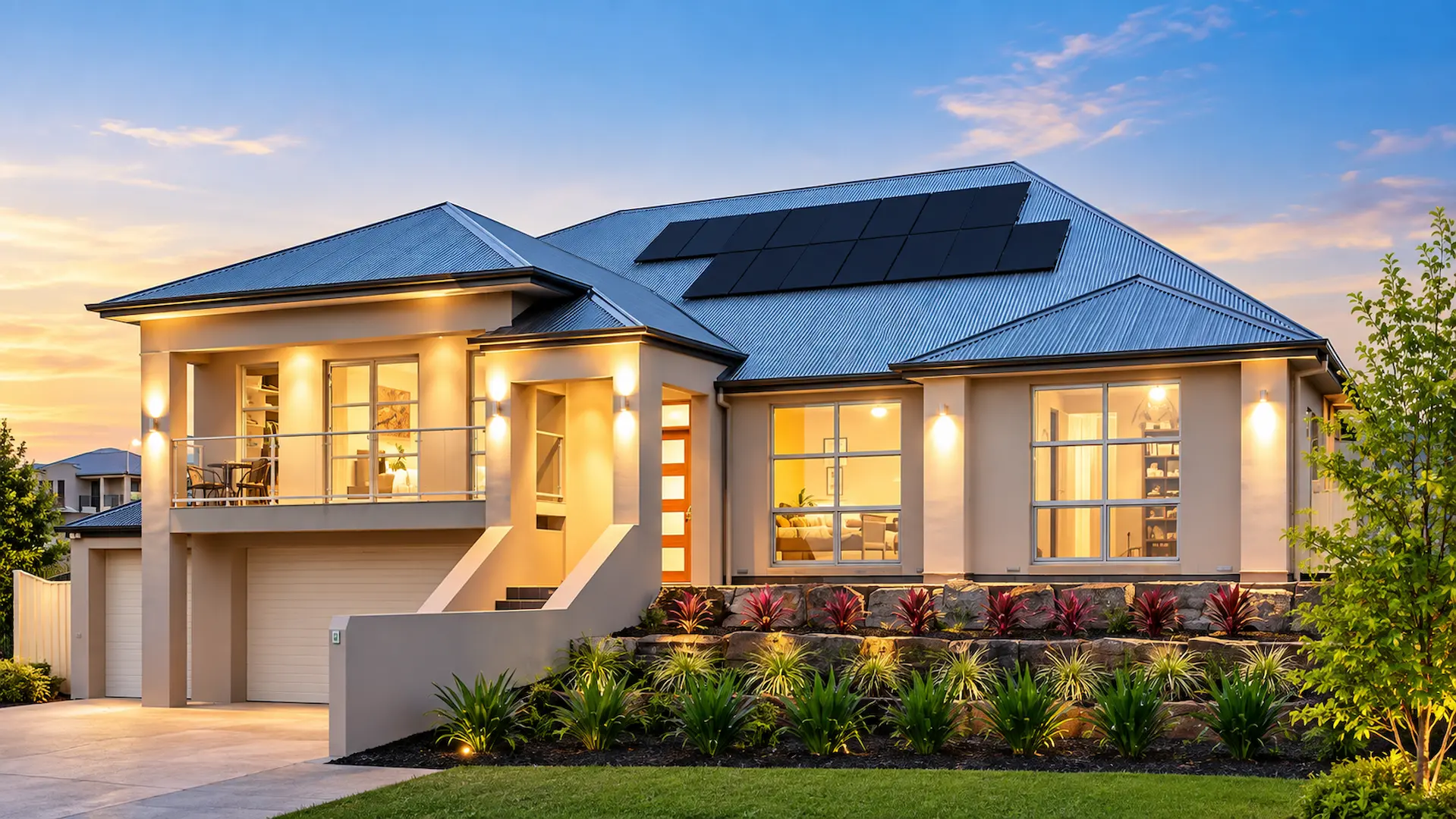
SunPower is a premium global solar brand known for high-efficiency panels and long-term reliability. In Australia, homeowners and businesses choose SunPower solar panels to get maximum energy output from limited roof space, especially in hot, demanding climates. The brand offers two residential series: SunPower Performance and SunPower Maxeon.
How It Works
- Maxeon panels use Interdigitated Back Contact (IBC) cells, removing front-side metal grid lines to boost efficiency and heat resistance.
- Performance panels use shingled N-Type TOPCon cells for strong shade tolerance and durability.
- Solid copper foundations in Maxeon panels reduce stress cracks and support very low degradation over decades.
Key Features
- Up to 24.2% module efficiency using advanced IBC cells.
- Temperature coefficient as low as -0.27%/°C, keeping output strong in extreme heat.
- 40-year product and performance warranty (with registration) on Maxeon; 30-year on Performance.
- Certified to withstand high wind loads, heavy snow, and harsh climates.
Pros
- Industry-leading efficiency, capturing more energy per square metre.
- Very low degradation, retaining output for decades.
- Premium build quality suited to heat and harsh weather.
- Long combined product and performance warranties.
- Strong output under partial shading.
Cons
- Higher upfront cost than standard panels.
- Installation may cost more, since premium panels often need experienced installers.
- Some models have limited stock or longer lead times in certain regions.
- Less suited to massive utility-scale solar farms due to price.
Best Use For
- Homes with limited roof space wanting maximum output.
- Properties in high-heat or coastal areas needing durability.
- Buyers prioritising decades-long warranty and low degradation over upfront cost.
Available SunPower Models in Australia
| Feature | SunPower Performance Series | SunPower Maxeon Series |
| Primary Use | Commercial / High-Value Residential | Premium Residential / Limited Space |
| Cell Technology | Shingled N-Type TOPCon | IBC (Interdigitated Back Contact) |
| Available Models | Performance 6, Performance 7 | Maxeon 3, 5, 6, Maxeon 7 |
| Power Output (STC) | 405W–550W+ | 390W–475W+ |
| Max Efficiency | Up to 22.7% | Up to 24.2% |
| Temp. Coefficient | -0.29%/°C | -0.27%/°C |
| Build Type | Glass-to-Glass (Dual Layer) | Solid Copper Foundation |
| Dimensions (mm) | ~2047 x 1039 x 35 | ~1790 x 1134 x 30 |
| Weight | 24.8–30.3 kg | 20.7–21.5 kg |
| Product Warranty | 30 Years | 40 Years (with registration) |
| Power Warranty | 30 Years (87.2–87.4%) | 40 Years (88.3–92%) |
Technical Comparison: REC vs. SunPower solar panels
| Feature | REC Alpha Pure-R | REC Alpha Pure-RX | SunPower Performance | SunPower Maxeon |
| Cell Technology | HJT half-cut bifacial (80 cells) | HJT half-cut bifacial (88 cells) | Shingled N-Type TOPCon | IBC (Interdigitated Back Contact) |
| Power Output (STC) | 400W–430W | 450W–470W | 405W–550W+ | 390W–475W+ |
| Max Efficiency | Up to 22.3% | Up to 22.6% | Up to 22.7% | Up to 24.2% |
| Temp. Coefficient (Pmax) | -0.26%/°C | -0.24%/°C | -0.29%/°C | -0.27%/°C |
| Build Type | Standard frame | Reinforced frame, 2 support bars | Glass-to-Glass (Dual Layer) | Solid Copper Foundation |
| Dimensions (mm) | 1730 x 1118 x 30 | 1728 x 1205 x 30 | ~2047 x 1039 x 35 | ~1790 x 1134 x 30 |
| Weight | 21.5 kg | 22.7–23.4 kg | 24.8–30.3 kg | 20.7–21.5 kg |
| Hail Resistance | Standard IEC rating | Tested to 45mm hailstones | Standard IEC rating | Standard IEC rating |
| Product Warranty | 20–25 years | 20–25 years | 30 years | 40 years (with registration) |
| Performance Warranty | 25 years (92%) | 25 years (92%) | 30 years (87.2–87.4%) | 40 years (88.3–92%) |
| Primary Use | Premium residential | Latest high-output residential | Commercial / high-value residential | Premium residential, limited space |
Solar Panel Performance Comparison in Australia
REC and SunPower are Australia’s two most trusted premium solar brands, both using advanced cell technology, but they perform differently depending on roof size, heat exposure, and budget.
Heat Performance
- REC Alpha Pure-RX (-0.24%/°C) edges out SunPower Maxeon (-0.27%/°C) in raw heat tolerance.
- Installers across Queensland and WA report both brands lose far less output than standard PERC panels during 40°C+ summer afternoons.
Efficiency on Real Roofs
- SunPower Maxeon hits 24.2% efficiency, best for tiny or heavily shaded roofs.
- REC Alpha Pure-RX reaches 22.6%, nearly matching Maxeon output at a lower price on standard-sized roofs.
Durability Feedback
- REC gets strong feedback in hail zones, since Alpha Pure-RX is tested against 45mm hailstones.
- SunPower Maxeon’s lighter frame (20.7–21.5 kg) suits older roofs needing less structural load.
Customer & Installer Feedback
- SunPower buyers consistently cite the 40-year warranty as their main reason for choosing it.
- REC buyers report better cost-per-watt value, since output stays close to Maxeon for meaningfully less money.
Best Fit
- Small roof, long-term hold: SunPower Maxeon.
- Standard roof, hail-prone area, value focus: REC Alpha Pure-RX.
Price Comparision: REC vs SunPower solar panels
REC and SunPower (Maxeon) are two of the highest-rated premium solar panel options available in Australia. Both sit at the top tier for efficiency, temperature coefficient, and warranty protection.
Below is a direct price, installation cost, and specification comparison for standard residential installations in Australia:
REC vs. SunPower Price & Cost Comparison
| Feature / Metric | REC Solar Panels (e.g., Alpha Pure Series) | SunPower Panels (e.g., Maxeon / P-Series) |
| Approx. Cost per Panel (Hardware only, incl. GST) | $280 – $300+ | $220 (P-Series) to $300+ (Maxeon) |
| Est. System Cost per kW (Fully Installed) | $1,300 – $1,800 per kW | $1,500 – $2,200 per kW |
| Avg. Total Cost: 6.6kW System (Fully Installed after Rebates) | $6,500 – $8,500 | $7,500 – $9,500+ (Maxeon Series) |
| Avg. Total Cost: 10kW System (Fully Installed after Rebates) | $11,000 – $13,500 | $13,000 – $16,000+ |
| Panel Efficiency | Up to 22.2% | Up to 22.8% |
| Product & Performance Warranty | 25 Years | 40 Years (Maxeon Series) |
| Cell Technology | HJT Monocrystalline | IBC Monocrystalline |
Note: Solar panel prices can vary by state, installer, system size, installation requirements, and individual company pricing policies. The prices mentioned in this guide are indicative only and may change over time.
If you want to compare REC and Trina Solar Panels, then visit our REC vs Trina Solar Panels: Which Offers Better Value for Money?
Also, if you want to compare AIKO and Trina Solar Panels, then visit our AIKO vs Trina Solar Panels: Which Delivers Better Power Output?
Or, want to compare Canadian and Jinko Solar Panels, you can check our latest blog on Canadian Solar Panels vs Jinko Solar Panels: Which Is Best for Australian Homes?
Which Is More Efficient in Australia: SunPower vs. REC solar panels
For Australian conditions, REC solar panels are generally the more efficient choice when comparing current REC Alpha panels with older SunPower/Maxeon models. REC Alpha Pure-R reaches up to 22.3% efficiency, while the newer REC Alpha Pure-RX reaches 22.6%.
REC vs SunPower Efficiency
| Factor | REC Solar Panels | SunPower / Maxeon |
| Maximum efficiency | Up to 22.6% with Alpha Pure-RX | Around 22%, depending on model |
| Cell technology | HJT | Maxeon cell technology |
| Hot-weather performance | Excellent | Very good |
| Temperature performance | Strong advantage | Strong |
| Power density | Up to 226 W/m² | Model dependent |
| Low-light performance | Very good | Very good |
| Long-term degradation | 0.25% annual degradation on Alpha Pure-RX | Model dependent |
| Best for Australia | Hot climates and limited roof space | Premium long-term installations |
Which Should You Choose?
REC is the better efficiency choice for most Australian homes. Its HJT technology and high power density can produce more electricity from limited roof space. Its performance also remains strong during hot conditions.
SunPower/Maxeon remains a strong premium option, especially where warranty coverage and long-term durability matter more than the highest efficiency figure.
Final Words
REC vs SunPower solar panels ultimately come down to budget versus ceiling. REC delivers nearly the same performance as SunPower for less, making it a better fit for most Australian homes and budgets. SunPower earns its higher price only when roof space is limited and every extra watt matters, or when a 40-year warranty outweighs the upfront cost. Both brands are Tier 1 and built to outlast a typical mortgage, so neither is a wrong choice. The real decision rests on your roof size, your budget, and how long you plan to stay in the home.
FAQ’s on REC vs SunPower solar panels
Are SunPower panels worth the extra cost?
Only if your roof space is limited or you want the highest possible output. Otherwise, REC gives similar results for a lower price.
Do REC panels degrade faster than SunPower panels?
Both degrade slowly, but SunPower has a lower annual degradation rate, meaning its output drops slightly less over decades.
Which panel is better for small roofs?
SunPower suits small roofs best because its higher efficiency produces more power from fewer panels in less space.
Do REC and SunPower panels qualify for the Australian solar rebate?
Yes. Both brands qualify for the federal solar rebate, which reduces the upfront cost of eligible systems.
Can I mix REC and SunPower panels on one roof?
It’s technically possible but not recommended, since mixing brands can complicate warranties and reduce system performance.
Which panel brand holds its value better long-term?
SunPower holds performance better over 40 years, but REC offers strong long-term value at a noticeably lower cost.