Best Solar Panel Orientation for Melbourne
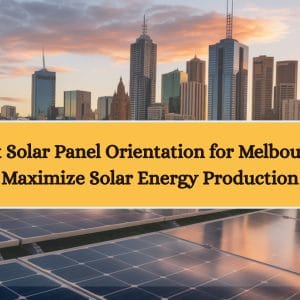
Melbourne homeowners investing in solar energy systems need to understand that panel orientation significantly impacts energy production and return on investment. The Best Solar Panel Orientation for Melbourne: Maximize Solar Energy Production depends on several factors, including roof direction, tilt angle, shading, and seasonal sun patterns. Located at approximately 37.8°S latitude, Melbourne experiences unique solar conditions that require strategic panel placement to capture optimal sunlight throughout the year. This comprehensive guide explores proven techniques to position your solar panels for maximum efficiency, helping you reduce electricity bills while contributing to sustainable energy practices in Victoria’s capital city.
Understanding Melbourne’s Solar Conditions
Melbourne’s geographical location in the Southern Hemisphere creates distinct solar patterns that differ significantly from Northern Hemisphere installations. The city receives an average of 5.8 peak sun hours daily, with considerable variation between summer and winter months. Understanding these conditions is essential for optimizing your solar panel system design.
Melbourne’s Latitude and Sun Path
Positioned at 37.8 degrees south of the equator, Melbourne experiences the sun tracking from east to west across the northern sky. During the summer solstice (December 21-22), the sun reaches its highest point at approximately 76 degrees above the horizon, while the winter solstice (June 20-21) sees the sun peak at only 29 degrees. This dramatic variation affects both the optimal tilt angle and the importance of north-facing orientation for year-round energy production.
Seasonal Sunlight Variations
Melbourne experiences significant seasonal differences in solar radiation. Summer months (December-February) deliver 6.5-7.0 peak sun hours daily, while winter months (June-August) drop to 3.0-3.5 peak sun hours. These variations mean that panel orientation must balance summer overproduction with winter underproduction to maximize annual energy yield and financial returns.
Optimal Panel Orientation: North-Facing Is Best
For Melbourne installations, north-facing solar panels deliver the highest annual energy production. This orientation captures maximum sunlight as the sun traverses the northern sky throughout the day. Research consistently demonstrates that north-facing panels in Melbourne can generate 15-20% more electricity annually compared to east or west-facing alternatives.
Why North-Facing Panels Excel
North-facing panels receive direct sunlight for the longest duration each day, particularly during the critical midday hours when solar intensity peaks. This orientation minimizes the angle of incidence between incoming sunlight and panel surface, reducing reflection losses and maximizing photovoltaic conversion efficiency. During summer, north-facing panels capture abundant energy, while in winter, they still receive reasonable exposure during shorter daylight periods.
Acceptable Deviation from True North
Perfect north orientation isn’t always achievable due to roof design constraints. Fortunately, panels oriented within 45 degrees east or west of true north still perform well, typically maintaining 90-95% of optimal production. Deviations between 15-30 degrees cause minimal efficiency losses (approximately 3-5%), making them acceptable compromises for most residential installations.
Alternative Orientations: East and West-Facing Panels
When north-facing installation isn’t possible, east and west-facing panels offer viable alternatives with distinct performance characteristics. Understanding these differences helps homeowners make informed decisions based on their energy consumption patterns and roof configuration.
East-Facing Solar Panels
East-facing panels generate maximum power during morning hours (7 AM – 12 PM), making them ideal for households with high morning electricity consumption. These panels typically produce 75-85% of the energy generated by equivalent north-facing systems. They’re particularly beneficial for families who use significant power for morning routines, heating, or appliances before leaving for work or school.
West-Facing Solar Panels
West-facing panels peak during afternoon hours (12 PM – 6 PM), capturing sunlight as it descends toward the western horizon. They also produce 75-85% of north-facing equivalent output but align better with afternoon air conditioning loads during hot Melbourne summers. Additionally, west-facing panels may be advantageous under time-of-use electricity tariffs where afternoon rates exceed morning rates.
Split Orientation Systems
Some installations benefit from splitting panels between multiple roof faces. A split system with panels on both east and west faces provides more consistent all-day production, reducing peak power demands and battery storage requirements. This approach suits households with high morning and afternoon consumption but lower midday usage.
The Crucial Role of Tilt Angle
Tilt angle works in conjunction with orientation to optimize solar energy capture. For Melbourne, the ideal tilt angle varies based on whether you’re maximizing annual production, summer performance, or winter output.Solar Victoria – Panel Orientation Guide state government technical specs.
Optimal Tilt for Year-Round Production
The generally accepted optimal tilt angle for Melbourne solar panels is 25-30 degrees from horizontal, closely matching Melbourne’s latitude of 37.8 degrees. This angle represents the best compromise for year-round energy production, balancing summer and winter performance. Research from Australian renewable energy institutions confirms that this range maximizes annual kilowatt-hour output for fixed installations.
Seasonal Tilt Adjustments
While most residential systems use fixed mounting, adjustable tilt systems can enhance seasonal performance. Increasing tilt to 50-55 degrees during winter months captures low-angle winter sun more effectively, while reducing tilt to 10-15 degrees in summer optimizes high-angle summer sun. However, the additional cost and maintenance of adjustable systems rarely justify the modest efficiency gains for typical households.
Flat Roof Installations
Flat roofs require purpose-built mounting frames to achieve proper tilt. Installing panels flat (0-5 degrees) on horizontal surfaces reduces efficiency by 10-15% and creates drainage issues that lead to dirt accumulation. Mounting frames that establish 10-15 degree minimum tilt prevent these problems while delivering acceptable energy production.
Performance Comparison Table
The following table illustrates expected annual energy production percentages for various orientations and tilt angles in Melbourne, with north-facing at optimal tilt representing 100% baseline performance:
| Orientation | Tilt Angle | Annual Production (%) | Best Use Case |
| North | 25-30° | 100% | Maximum year-round output |
| North | 15° | 95-97% | Summer optimization, flat roof |
| North | 40° | 95-97% | Winter optimization |
| Northeast/Northwest | 25-30° | 92-95% | Roof constraint compromise |
| East | 25-30° | 75-85% | Morning consumption peak |
| West | 25-30° | 75-85% | Afternoon/evening consumption |
| South | 25-30° | 55-65% | Not recommended (last resort) |
| East/West Split | 25-30° | 80-90% | All-day consistent production |
This data demonstrates why professional solar assessments are valuable for determining the optimal configuration for your specific circumstances.
Factors That Impact Panel Efficiency
Beyond orientation and tilt, several additional factors influence solar panel performance in Melbourne’s environment. Addressing these elements ensures your system delivers maximum return on investment.
Shading Analysis
Shading is perhaps the most critical factor affecting solar panel output. Even partial shading on a single panel can reduce the entire array output by 25-50% depending on system configuration. Trees, neighboring buildings, chimneys, and antenna structures all create shade patterns that vary throughout the day and across seasons. Professional installers conduct detailed shading analysis using specialized tools to identify problematic obstructions and optimize panel placement accordingly.
Roof Condition and Structure
Your roof must support panel weight (typically 15-20 kg per panel plus mounting equipment) for 25+ years. Roof age, material, and structural integrity all affect installation feasibility. Asbestos roofs require specialized handling, while tile roofs need careful waterproofing. Installing panels on roofs nearing replacement age is inefficient since panel removal and reinstallation add high costs to future roof work.
Local Climate Considerations
Melbourne’s variable weather patterns influence panel selection and installation. High wind areas near the coast require reinforced mounting systems, while locations prone to hail benefit from panels with tempered glass and higher impact ratings. Temperature coefficients matter too since panels lose efficiency in extreme heat a consideration for Melbourne’s occasional 40°C+ summer days.
Maximizing Energy Production Beyond Orientation
Optimal orientation provides the foundation for efficient solar energy production, but additional strategies further enhance system performance and financial returns.
Panel Quality and Technology
Modern panels offer varied efficiencies ranging from 15% to 22%+ for premium models. Higher efficiency panels generate more power per square meter, particularly valuable when roof space is limited. Monocrystalline panels generally outperform polycrystalline alternatives in Melbourne’s conditions, especially during cloudy days and low-light conditions common during winter months.
Inverter Selection and Placement
Inverters convert DC electricity from panels to AC electricity for household use. String inverters suit simple installations with minimal shading, while microinverters optimize individual panel performance—beneficial when panels face multiple directions or experience partial shading. Inverter placement in cool, ventilated locations extends equipment life and maintains efficiency since inverters lose performance in excessive heat.
Regular Maintenance and Cleaning
Melbourne’s variable rainfall means panels don’t always receive natural cleaning. Dust, bird droppings, and pollen accumulation reduce light transmission by 5-10% or more. Professional cleaning every 6-12 months maintains optimal performance, particularly after extended dry periods or following nearby construction activities that generate airborne particulates.
Monitoring System Integration
Modern solar systems include monitoring platforms that track production, identify underperforming panels, and alert owners to technical issues. These systems provide valuable insights into consumption patterns, helping homeowners optimize energy usage and identify opportunities for battery storage integration or behavioral changes that maximize solar self-consumption.
Financial Considerations and Return on Investment
Understanding the financial implications of orientation choices helps homeowners make economically sound decisions about their solar investments.
Impact on Payback Period
North-facing systems at optimal tilt typically achieve payback periods of 4-6 years in Melbourne, depending on system size, electricity rates, and government incentives. East or west-facing systems may extend payback periods by 6-18 months due to reduced production. However, if alternative orientations better align with your consumption patterns, improved self-consumption can offset lower total production, thereby maintaining favorable financial returns.
Government Incentives and Rebates
Victorian solar installations qualify for Small-scale Technology Certificates (STCs) under the federal government’s renewable energy scheme, significantly reducing upfront costs. These incentives make solar financially attractive across various orientations, though maximum production systems naturally deliver superior long-term returns.
Feed-in Tariffs vs. Self-Consumption
Feed-in tariff rates (typically 5-10 cents per kWh) are substantially lower than retail electricity prices (25-35 cents per kWh), making self-consumption far more valuable than exporting to the grid. Orientation choices that align production with consumption patterns maximize financial benefits even if total production is slightly lower. Battery storage systems further optimize returns by storing excess solar energy for evening use rather than exporting at minimal feed-in rates.
Conclusion
Investing in solar energy represents a smart financial and environmental decision for Melbourne households, and optimal panel orientation ensures maximum returns on that investment. North-facing panels at 25-30 degree tilt angles deliver superior year-round performance, though east and west-facing alternatives provide excellent results when properly matched to consumption patterns. By understanding Melbourne’s unique solar conditions, considering roof limitations, and consulting with experienced installers, homeowners can design systems that generate clean, renewable energy for decades while significantly reducing electricity costs and carbon footprints.