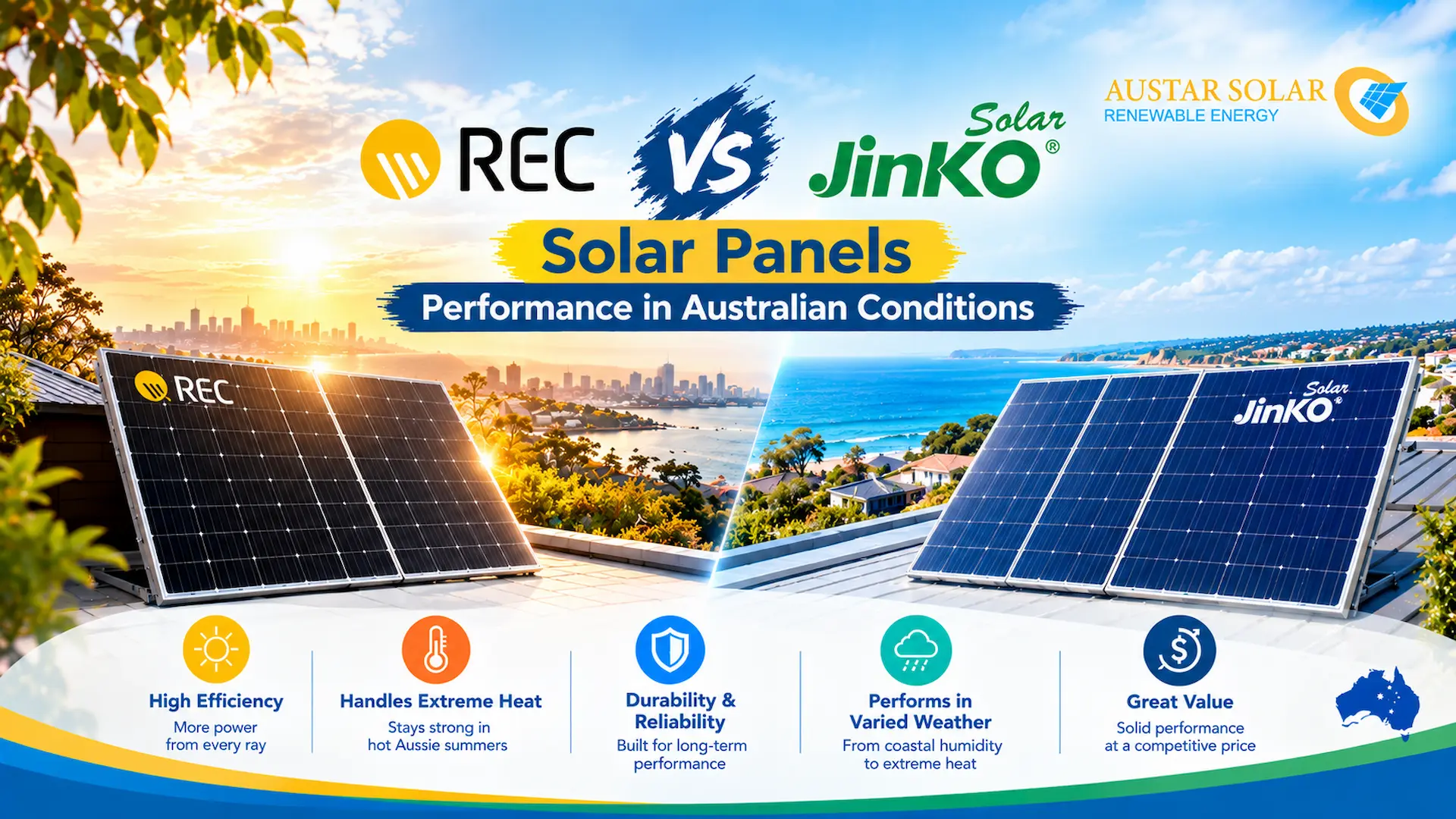

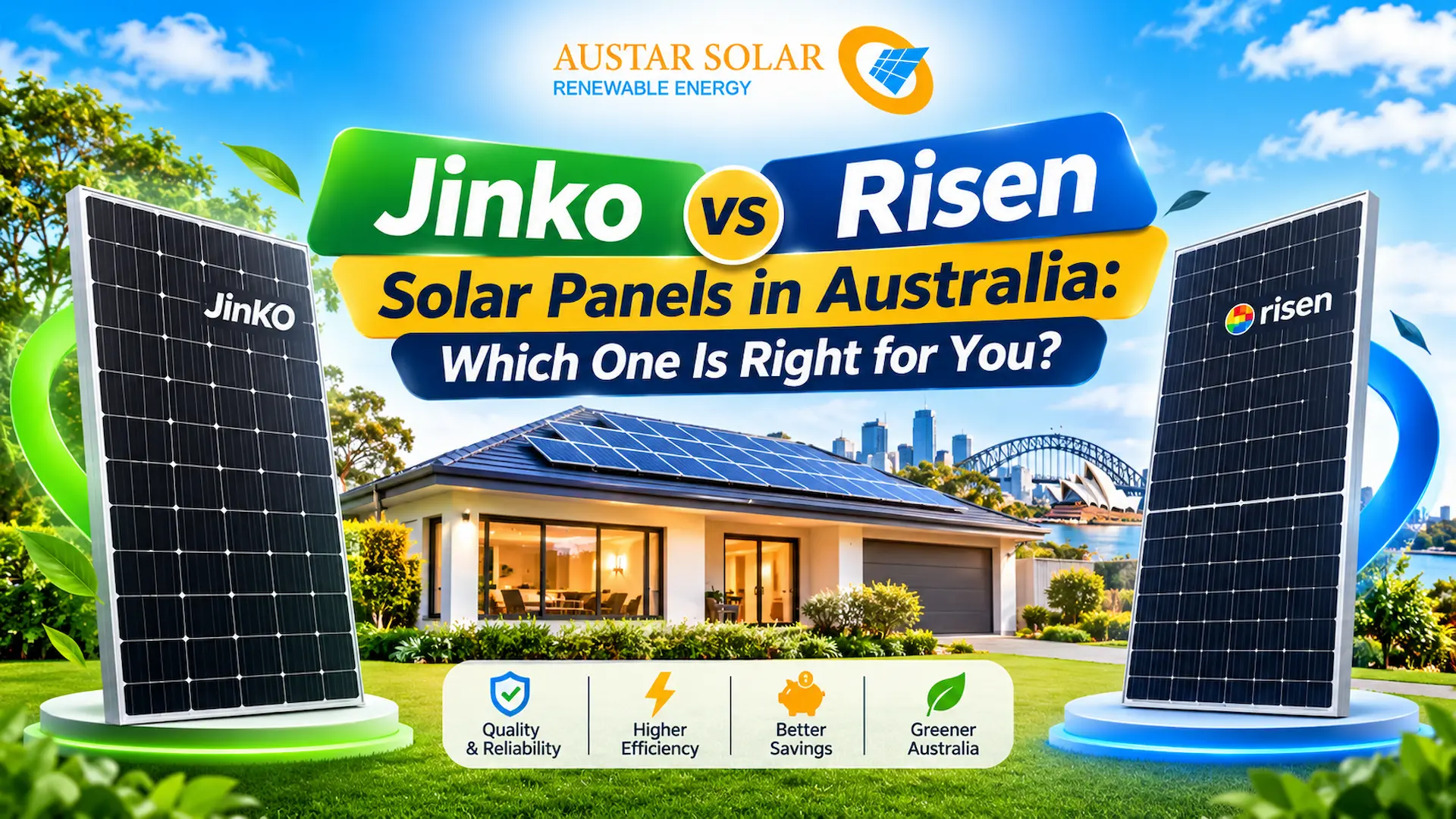
Trying to choose between Jinko vs Risen solar panels in Australia? I feel for you. The quotes are packed with model codes, warranty fine print, and brand names that all start to blur together. The good news is that you really can’t go badly wrong here. Both are Tier 1 manufacturers, and both have Australian offices that handle claims. But there is no clear winner either.
Risen’s 475W TOPCon panel is cheaper, and its new HJT panel comes with a 40-year warranty. Jinko’s Tiger Neo 3.0 handles heat better than Risen’s TOPCon and has a stronger salt mist rating. So it really comes down to your budget, your roof, and how hot your summers get.
Let me walk you through the models, prices, warranties, and real-world performance, so you know exactly what to ask your installer.
Jinko vs Risen at a glance
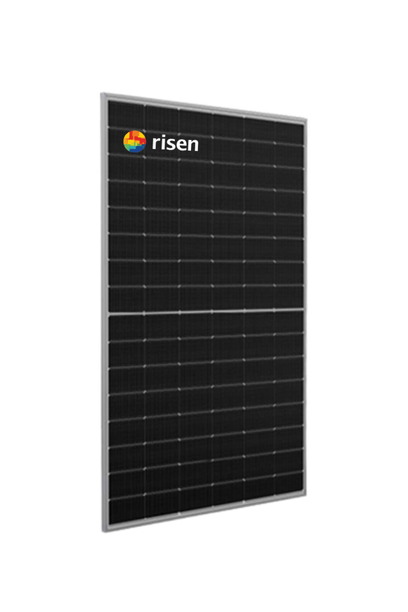
Risen now sells two home panels, so we have three models to line up side by side.
| Feature | Jinko Tiger Neo 3.0 (48QL6) | Risen 475W TOPCon (RSM96-11) | Risen HJT (RSM90-8) |
| Power | 460-485W | 475W | 460-500W |
| Efficiency | Up to 24.27% (23.77% at 475W) | 23.8% | 21.6-23.5% (22.3% at 475W) |
| Size | 1762 x 1134 mm | 1762 x 1134 mm | 1952 x 1090 mm |
| Product warranty | 25 years | 25 years | 40 years |
| Performance warranty | 30 years | 30 years | 40 years |
Brand Overview: Jinko Solar vs Risen Solar Panels
Both brands are headquartered in China, and both have Australian offices that deal with claims. The big difference is where they put their energy. Jinko is all about rooftops, while Risen splits its time between rooftop supply and large projects.
Jinko Solar Panels in Australia
Jinko Solar is a well-known solar panel brand in Australia. It offers solar panels for residential, commercial, and large-scale installations. The company is recognised for its competitive pricing, good efficiency, and wide product range.
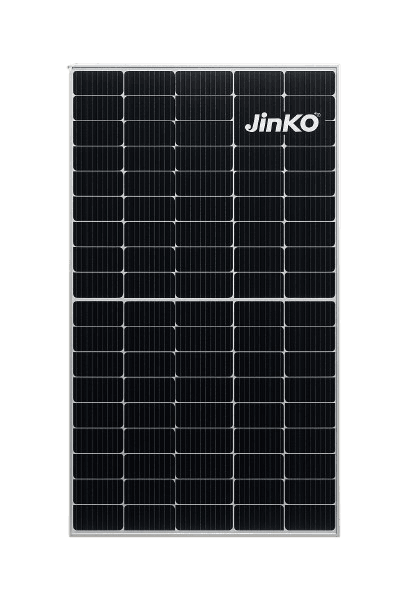
The Jinko Tiger Neo series is a popular option for Australian homes and businesses. It uses N-type TOPCon technology to improve energy production and panel efficiency. Jinko also offers high-output panels for commercial and utility-scale projects.
JinkoSolar is Australia’s top-selling solar brand, with 26% market share in 2025, offering strong heat performance and good value. Upcoming is Tiger Neo 5.0 (510W, 25.52% efficiency, 40-year warranty), with no pricing or availability announced yet.
Key Features of Jinko Solar Panels
- N-Type TOPCon Technology: Delivers high efficiency and reliable energy production.
- High Power Output: Offers different wattage options for various installations.
- Low-Light Performance: Supports energy production in lower-light conditions.
Pros of Jinko Solar Panels
- Competitive prices compared with many premium brands.
- Good efficiency across newer models.
- Wide selection of panel sizes and power ratings.
- Long performance warranties on selected models.
- Suitable for various solar installation types.
Cons of Jinko Solar Panels
- Warranty coverage varies between models.
- Some panels may be too large for smaller rooftops.
- Not every model offers the same efficiency.
- Installation quality affects overall system performance.
Best Use For
Jinko suits many uses. Homeowners can choose Tiger Neo panels for residential rooftops, businesses can use high-output panels on commercial buildings, and developers can rely on Jinko for utility-scale solar installations. It covers small roofs through to large projects.
For detailed specifications, features, and warranty information, visit our Jinko Solar page.
Risen Solar Panels in Australia
Risen Energy is an established solar panel manufacturer in Australia. It has supplied the Australian market since 2008. The company offers solar panels for residential rooftops, commercial buildings and large-scale solar projects.
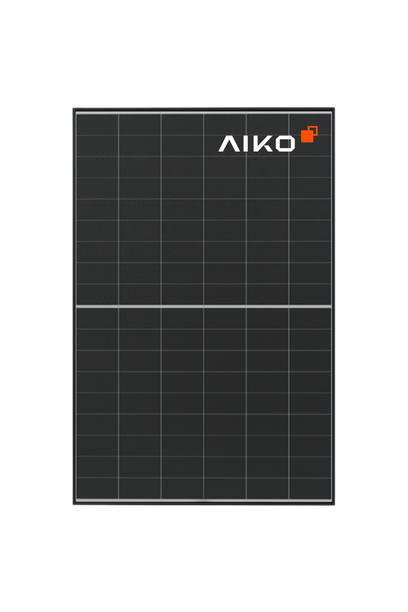
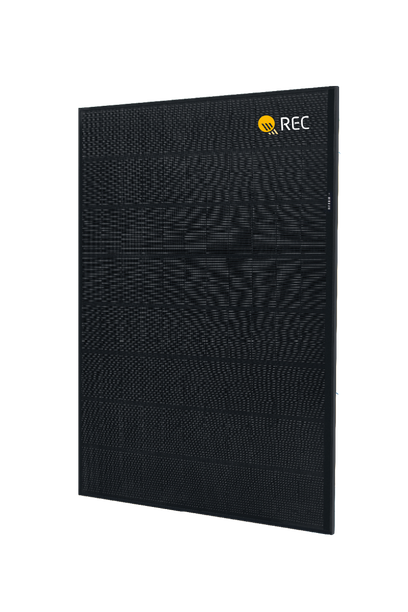
Risen’s latest panels use N-type TOPCon and HJT technology. Its RSM90 HJT residential panel offers up to 500W output and 23.5% efficiency. It also features an all-black design that suits modern rooftops.
Just launched is RisenSpace, a 500Wp HJT rooftop panel, plus the 760Wp Hyper-ion Ultra for utility projects. Australian pricing and availability for these new models are not yet announced. The company provides local Australian warranty support.
Key Features of Risen Solar Panels
- N-Type TOPCon Technology: Provides high efficiency and reliable energy production.
- HJT Technology: Offers improved temperature performance and lower power loss.
- High Power Output: Residential models offer up to 500W.’
Pros of Risen Solar Panels
- Competitive options for different project sizes.
- High efficiency in newer models.
- Good performance in warm conditions.
- Local Australian warranty support.
- Wide product range.
Cons of Risen Solar Panels
- Newer models may have limited local availability.
- Some older models offer shorter warranties.
- High-efficiency models may cost more.
Best Use For
Risen offers panels for every need. Residential buyers get RSM90 HJT panels for home rooftops, commercial customers get high-output panels for business buildings, and utility developers get large-format panels built for solar farms. Each is matched to its use.
For detailed specifications, features, and warranty information, visit our Risen Solar page.
Popular panel models compared
| Tier | Jinko | Risen | Cell technology |
| Flagship | Tiger Neo 3.0, 460-485W | RSM96-11, 475W | N-type TOPCon |
| Heat-focused | None | RSM90-8, 460-500W | N-type HJT |
| Mid-range | Tiger Neo 54HL4/54HL4R, 25-year product warranty | Titan S (archived) | N-type TOPCon |
Risen’s Titan S and Jäger Plus panels now sit in the discontinued section of its website, so if your quote lists one, ask whether it is old stock.
Also check the exact model number on the Clean Energy Council approved modules list, because only listed panels qualify for the solar rebate. I could not confirm the new Risen HJT model there, so double-check it.
Efficiency and power output
At 475W, Jinko and Risen’s TOPCon panels are almost the same, at 23.77% and 23.8%. They even come in the same size. Jinko only pulls ahead at 485W, where it reaches 24.27%.
Risen’s HJT panel is a different kind of trade-off. At 475 W, it is 22.3% efficient, and the panel is about 7% bigger (2.13 m² vs 2.0 m²). A 6.6 kW system needs 14 panels, which takes about 30 m² instead of 28 m². You get a better heat rating and a longer warranty, but you will need more roof for the same watts.
Temperature coefficient
This number tells you how much power a panel loses for every degree above 25°C. The lower it is, the better.
On a hot roof, cells can reach about 65°C, which is 40°C above the test condition. Here is what a 475W panel actually delivers at that temperature:
| Panel | Power lost | Output |
| Risen HJT | 9.6% | about 429W |
| Jinko Neo 3.0 | 10.4% | about 426W |
| Risen TOPCon | 11.6% | about 420W |
Across 14 panels, the HJT beats Risen’s TOPCon by roughly 130W at peak heat, and Jinko beats it by roughly 80W.
Warranty and degradation
These numbers come straight from each brand’s Australian warranty document, not from third-party sites.
| Panel | Product | Performance | Year 1 loss | Yearly loss after | Final output |
| Jinko Neo 3.0 (48QL6) | 25 years | 30 years | 1% | 0.35% | 88.85% at year 30 |
| Risen 475W TOPCon | 25 years | 30 years | 1% | 0.4% | 87.4% at year 30 |
| Risen HJT | 40 years | 40 years | 1% | 0.3% | 87.3% at year 40 |
Product warranty
Heads up: both warranties leave you paying for removal and reinstallation, which is usually the highest cost of a claim. Both also let the manufacturer pick the remedy, whether that is a repair, a replacement, extra panels, or a refund.
Performance warranty and annual degradation
Degradation is just the slow drop in output as a panel ages. These warranties are linear, so the guarantee falls by a fixed amount each year. On a 6.6 kW system making about 9,100 kWh a year, the year-25 guaranteed minimums differ by:
- Jinko vs Risen TOPCon: about 110 kWh a year.
- Risen HJT vs Risen TOPCon: about 220 kWh a year.
Keep in mind these are guaranteed floors, not forecasts. Real panels usually do better.
Local support and claims
The claim windows differ. Jinko wants notice within 30 days through its online platform, while Risen gives you 2 months. Hang on to your invoice and panel serial numbers.
Your rights under Australian Consumer Law sit above any warranty. The ACCC says solar products are covered, and guarantees may still apply after a manufacturer’s warranty expires.
Performance in Australian conditions
Heat performance: TOPCon vs HJT
Is HJT better than TOPCon in hot climates? Slightly, yes. Risen’s HJT panel loses the least power in the heat, and Jinko’s TOPCon beats Risen’s TOPCon. The gaps are small, though. If you live in Queensland, the Northern Territory, or inland WA and NSW, you will notice it most.
Coastal and extreme weather durability
SolarQuotes lists Jinko’s 475W panel at IEC 61701 salt mist level 6 and Risen’s 475W at level 1 (claimed). Both are rated for 5,400 Pa on the front and 2,400 Pa on the rear. I could not find a salt mist level for Risen’s HJT panel. Both warranties also exclude marine environments, so if you live near the coast, read the exclusions before you buy.
Which brand should you choose?
So where does that leave you? If money is the main thing, Risen’s 475W TOPCon saves you about $490 across a 14-panel roof at retail prices. If your roof is on the small side, Jinko or Risen’s TOPCon will give you more watts for the space. Living somewhere hot, like Queensland, the Northern Territory, or inland WA and NSW?
Risen’s HJT loses the least power in the heat, with Jinko not far behind. And if you want the longest warranty, Risen’s 40-year cover looks great on paper, though it is brand new.
Whatever you lean towards, remember that your inverter and your installer’s margin will shift the price more than the panel brand will. So ask for both brands on the same quote, get the warranty PDFs, and check the exact model on the Clean Energy Council list before you sign. Do that, and you will be in good shape.
Frequently asked questions
Which is cheaper, Jinko or Risen?
Risen. SolarQuotes’ 2 November 2026 retail estimates are $0.30 a watt for Risen’s 475W TOPCon and $0.36 for Jinko’s 475W. Risen’s HJT price is not published.
Which has better efficiency, Jinko or Risen?
At 475W, it is basically a tie, with 23.77% for Jinko and 23.8% for Risen’s TOPCon. Jinko’s 485W model reaches 24.27%. Risen’s HJT is 22.3% at 475W and tops out at 23.5% at 500W.
Which offers a longer warranty, Jinko or Risen?
Risen’s HJT panel wins here, with 40 years for both product and performance. On TOPCon, both brands give 25 years for product and 30 for performance. Jinko’s Neo 3.0 guarantees 88.85% at year 30, against 87.4% for Risen’s TOPCon.
Are Jinko and Risen Tier 1 manufacturers?
Yes, both are on BloombergNEF’s Tier 1 list. Just remember that Tier 1 measures bankability, not panel quality.
Do both sell N-type TOPCon panels?
Yes. Jinko’s Tiger Neo range is N-type TOPCon, and Risen launched N-type TOPCon panels in Australia in 2023. N-type panels generally degrade more slowly and handle heat better than older P-type panels.
Which degrades slower?
Jinko Tiger Neo panels guarantee about 0.4% yearly degradation and 87.4% output after 30 years. Risen’s guarantees vary by model, with 25 to 30 years of coverage. Compare the warranty sheets for your exact panels.
Are both eligible for the STC rebate?
Yes, if the specific model is approved by the Clean Energy Council. Risen has around 170 approved panels, and Jinko models are also widely listed. Ask your installer to confirm that the exact model number is on the list.