Choosing the right home battery in Australia can make a big difference to how much you save on electricity and how effectively you use your solar power. Two systems worth comparing in 2026 are the Anker SOLIX X1 and Tesla Powerwall 3. Both offer advanced energy storage, 10-year warranties, and solutions designed to help Australian households get more value from their solar investment. But they take different approaches to home energy management.
The Anker SOLIX X1 stands out for its modular design, flexible installation options, and scalable storage capacity. With AC-coupled and hybrid configurations available across single- and three-phase systems, it can suit a wide range of homes, from households adding a battery to an existing solar setup to those planning a larger energy storage system.
The Tesla Powerwall 3 takes a more integrated approach. Its built-in inverter, 11.5kW continuous power output, and high solar-to-grid efficiency make it an attractive option for homeowners who want a powerful, streamlined battery system with fewer separate components.
So, which one should you pick?
Anker SOLIX X1 vs Tesla Powerwall 3 in Australia in 2026 is not simply a choice between two battery brands. The better option depends on your home’s energy consumption, existing solar system, available installation space, and how much storage and backup power you need.
In this comparison, we’ll look at their capacity, power output, efficiency, installation options, warranty, pricing, and overall value to help you decide which battery is the better fit for your Australian home.
Overview of Anker SOLIX X1 Battery Storage in Australia
Anker SOLIX X1 is a modular home battery system built for Australian conditions. It uses safe LFP (Lithium Iron Phosphate) cells, stacks in 5kWh modules up to 30kWh per unit, and can scale to 180kWh with multiple units linked together. It’s only 15cm deep, making it one of the thinnest batteries on the market, and comes in three configurations: AC-coupled for retrofits, single-phase hybrid, and three-phase hybrid for new installs or larger homes.
The system is CEC-approved, works with Virtual Power Plants like Amber Electric, carries a 10-year warranty, and is rated IP66 with C5-M anti-corrosion coating for coastal and dusty environments.
Key Features:
- 5kWh LFP modules, expandable from 5kWh to 30kWh per stack (up to 180kWh total)
- 100% Depth of Discharge for full usable capacity with no reserve buffer
- Ultra-slim 150mm profile, wall-mountable
- Under 10ms backup switchover during blackouts
- Independent per-module energy optimization so no “weakest link” issue
- IP66 weatherproofing with C5-M anti-corrosion coating
- Operates from -20°C to +55°C
- 90.2% round-trip efficiency
- 10-year comprehensive warranty
- Remote monitoring via Anker app
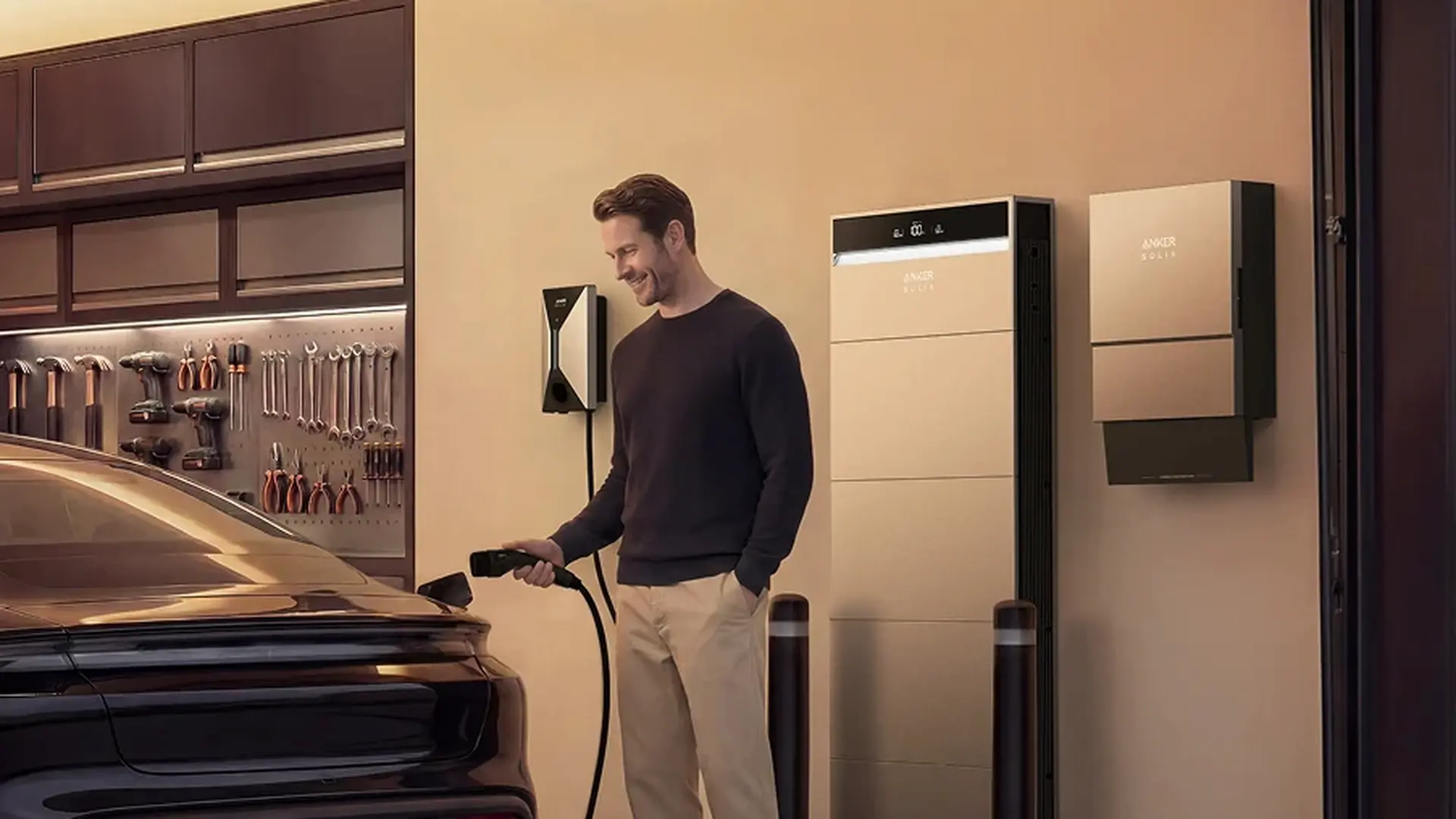
Available Models:
| Model | Type | Max Charge/Discharge | Peak Power (10s) | Best For |
| X1-P6K | AC-Coupled | 6.6 kW | 12 kVA | Retrofitting existing solar |
| X1-H6K | Hybrid Single-Phase | 6 kW | 10 kVA | New or replacement single-phase homes |
| X1-H12K | Hybrid Three-Phase | 12 kW | 20 kVA | Larger homes and three-phase systems |
All three share the same 5–30kWh capacity range, LFP cells, 100% DoD, and 10-year warranty. The difference is power output and how they connect to your existing setup.
Overview of Tesla Powerwall 3 Battery Storage in Australia
Tesla Powerwall 3 is a fully integrated, DC-coupled home battery with a built-in hybrid solar inverter, so no separate inverter is needed. It stores 13.5kWh of usable energy, delivers 11.5kW of continuous power (more than double the Powerwall 2), and uses safer LFP battery chemistry. It can start heavy loads like ducted air conditioning or pool pumps and is managed through the Tesla app for monitoring, backup control, and VPP participation.
Only one model is currently sold in Australia, though up to three Expansion Packs can be added for more capacity. It starts from around $12,799 (approx.) fully installed in NSW and ACT.
Key Features:
- Built-in hybrid inverter with 6 MPPTs, supports up to 20kW of solar input
- 13.5kWh usable capacity, 14kWh total battery energy
- 11.5kW continuous power output, configurable to 11.04kW, 10kW, or 5kW
- 185A locked-rotor amps for starting large appliances
- LFP (Lithium Iron Phosphate) cells, cobalt-free and more fire-resistant
- IP67 rating on battery and electronics, flood-resistant up to 0.6m
- Operates from -20°C to 50°C
- 97.5% solar-to-grid efficiency, 89% solar-to-battery-to-grid efficiency
- Expandable with up to 3 Expansion Packs (13.5kWh each)
- Storm Watch feature auto-charges before severe weather
- 10-year comprehensive warranty
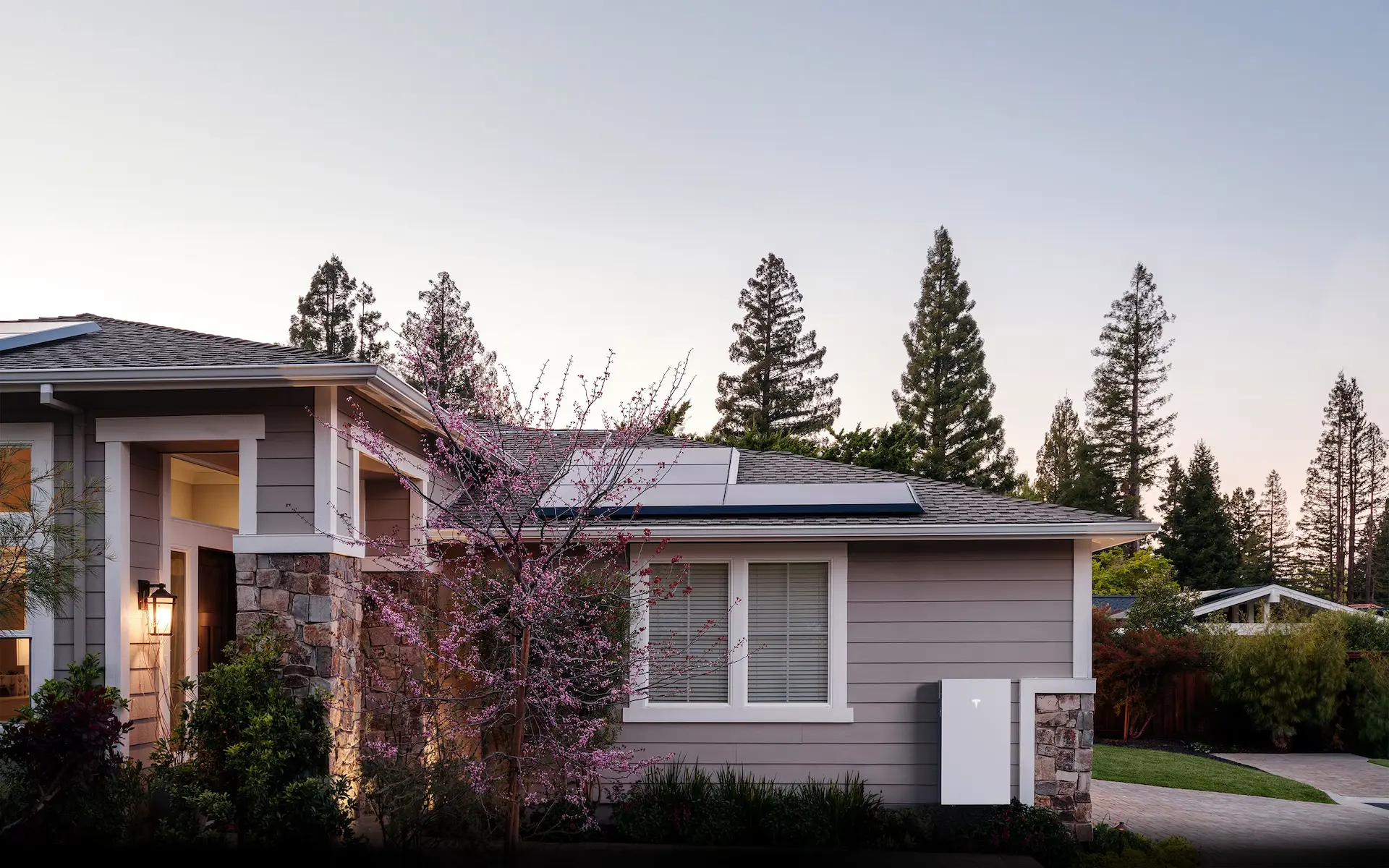
Available Models:
| Model | Type | Usable Capacity | Peak Power | Best For |
| Powerwall 3 | Integrated battery and inverter | 13.5kWh | 11.5kW continuous | New solar installs, homes wanting an all-in-one system |
| Powerwall 3 EXT (Expansion Pack) | Add-on battery only | 13.5kWh additional | Uses main unit’s inverter | Homes needing more storage without another inverter |
The Powerwall 3 works as a single-phase residential system and pairs with the Backup Gateway 2 for whole-home backup during outages.
Technical Comparison: Anker SOLIX X1 vs Tesla Powerwall 3
Both the Anker SOLIX X1 and Tesla Powerwall 3 are LFP home battery systems built for Australian conditions, but they differ in architecture, scalability, and power delivery. The X1 is AC- or DC-coupled depending on the model and expands via stackable 5kWh modules up to 180kWh, while the Powerwall 3 is a single DC-coupled unit with a built-in 20kW inverter, expandable via dedicated Expansion Packs.
| Spec | Anker SOLIX X1 | Tesla Powerwall 3 |
| Battery chemistry | LiFePO₄ (LFP) | LiFePO₄ (LFP) |
| Usable capacity per stack | 5–30kWh (100% DoD) | 13.5kWh (100% DoD) |
| Max scalable capacity | Up to 180kWh (6 units paralleled) | 13.5kWh + up to 3 Expansion Packs = 54kWh |
| Coupling type | AC-coupled (X1-P6K) or Hybrid DC (H6K/H12K) | DC-coupled, integrated inverter |
| Built-in inverter | No (X1-P6K) / Yes (H6K, H12K) | Yes, 20kW DC solar input, 6 MPPTs |
| Max charge/discharge | 6.6kW (P6K) / 6kW (H6K) / 12kW (H12K) | 11.5kW continuous |
| Peak power (10s) | 12kVA / 10kVA / 20kVA | Not separately rated (11.5kW continuous) |
| Round-trip efficiency | 90.2% | 97.5% (solar-to-grid) |
| Backup switchover time | Under 10ms | Near-instant (exact ms not published) |
| Ingress protection | IP66, C5-M anti-corrosion coating | IP67 (battery and electronics), IP55 (wiring) |
| Operating temperature | -20°C to +55°C | -20°C to 50°C |
| Depth/form factor | 150mm, ultra-slim | 193mm deep, wall-mounted panel |
| Weight | 20kg (power module) + 51kg per 5kWh battery module | 130kg (single unit) |
| System phases supported | Single-phase (P6K, H6K) or Three-phase (H12K) | Single-phase only |
| Load starting capability | Not specified | 185A locked-rotor amps |
| Warranty | 10 years (70% capacity retained) | 10 years |
| Starting price (installed, AU) | $7,000–$16,000, depending on capacity | From $12,799 (NSW/ACT) |
To know more details, you can read our Tesla Powerwall 3 Review 2026: Price, Performance & Is It Worth It in Australia?
To know more details, you can read our Anker SOLIX X1 Battery Storage Review: A Smart Home Battery for Solar Storage.
Solar Panel Performance Comparison in Australia: Tesla Powerwall 3 vs. Anker SOLIX X1
Solar performance is the deciding factor for many Australian homeowners choosing between these two batteries, since it directly affects how much stored solar you actually get to use.
How Solar Conversion Works
Tesla Powerwall 3 and Anker SOLIX X1 handle solar power differently. Powerwall 3 has a built-in inverter with 6 MPPTs and accepts up to 20kW of solar input, converting it at 97.5% solar-to-home or grid efficiency and 89% solar-to-battery efficiency. Anker SOLIX X1 splits duties by model. The X1-P6K is AC-coupled and works with your existing solar inverter, so you don’t need to replace it. The X1-H6K and X1-H12K are hybrid units with built-in conversion, rated at 90.2% round-trip efficiency.
Real-Life Example
A Sydney home with a 6.6kW solar system charges a Powerwall 3 fully on most sunny days, since its 20kW input ceiling leaves headroom for future panel upgrades. A similar home retrofitting an older 5kW solar system would pair better with the X1-P6K, since it reuses the existing inverter instead of replacing it.
Customer Feedback
On SolarQuotes, Tesla Powerwall 3 holds a 4.9 rating from 214 customer ratings. Reviewer Finn Peacock, a Chartered Electrical Engineer, notes it can provide twice the power output of the Powerwall 2 and charges from solar even during blackouts, calling Tesla’s customer service excellent. Anker SOLIX X1 is newer to Australia, so independent customer review data at scale is not yet available.
Quick Comparison:
| Metric | Tesla Powerwall 3 | Anker SOLIX X1 |
| Solar input capacity | Up to 20kW DC | Depends on model |
| MPPTs | 6 | Not specified |
| Round-trip efficiency | 97.5% | 90.2% |
| Works with existing inverter | No (integrated only) | Yes (X1-P6K only) |
| Customer rating | 4.9/5 (SolarQuotes, 214 ratings) | Not yet independently rated at scale |
Price Comparison: Anker SOLIX X1 vs Tesla Powerwall 3
| Battery | (Approx.) Hardware Cost | (Approx.) Installed Cost (Total) |
| Anker SOLIX X1 (modular, 5–20kWh) | ~$5,000–$10,000 (varies by kWh selected) | ~$7,000–$16,000 depending on capacity (10kWh unit typically ~$8,000–$9,500 installed) |
| Tesla Powerwall 3 (fixed 13.5kWh, built-in inverter) | ~$11,900–$13,250 | ~$13,500–$17,000 installed |
Key notes:
- Anker SOLIX X1 is modular, so you can start smaller (5–6kWh) and scale up, which is why its price range is wide. A single ~10kWh unit is the closest match to Powerwall 3’s usable capacity and lands around $8,000–$9,500 installed, noticeably cheaper than the Tesla.
- Tesla Powerwall 3 has a fixed 13.5kWh capacity with an integrated 11.5kW solar inverter, which is why its baseline is higher — though if you’re installing new solar at the same time, you’re also saving on a separate inverter purchase.
- After the federal Cheaper Home Batteries Program rebate (~$3,300–$3,640 for a 13.5kWh-equivalent system), a Powerwall 3 can effectively drop to roughly $9,500–$12,500, narrowing the gap with the Anker.
Ready to compare pricing for your home? Get a free, no-obligation quote from Austar Solar, and we’ll match the right battery to your setup and budget.
Which Is More Efficient in Australia: Anker SOLIX X1 vs Tesla Powerwall 3
Efficiency decides how much of your solar energy actually reaches your appliances, and the two batteries differ enough to affect your electricity bill.
Tesla Powerwall 3 is more efficient overall. It converts solar to home or grid power at 97.5% and solar to battery at 89%. Anker SOLIX X1 is rated at 90.2% round-trip efficiency across its hybrid models.
Why the Gap Exists
- Powerwall 3 is DC-coupled, so panels connect directly to the unit with no extra AC conversion step
- This shorter conversion path is why it reaches 97.5%
- Anker’s hybrid models (X1-H6K, X1-H12K) also convert DC to AC internally but land lower at 90.2%
- The AC-coupled X1-P6K depends on your existing inverter’s efficiency, so its real number varies by installation
What This Means for Your Bill
Higher efficiency means less solar energy lost as heat during conversion, so more of what your panels generate is usable at night. Over a year, a few efficiency points can noticeably reduce how much grid power you still need to buy.
| Metric | Tesla Powerwall 3 | Anker SOLIX X1 |
| Solar-to-grid efficiency | 89% | Not published |
| Round-trip efficiency | 97.5% | 90.2% |
| Coupling type | DC-coupled | AC or DC-coupled (model-dependent) |
Final Words
Overall, Tesla Powerwall 3 is the stronger pick for most Australian homes. Its 97.5% efficiency, 11.5kW output, and ability to start heavy appliances like ducted air conditioning make it the more powerful, better-supported option, backed by a mature installer network and strong customer reviews.
Anker SOLIX X1 is worth choosing instead if you need three-phase power, a slim retrofit-friendly design, or want to scale well beyond 30kWh. For homes with straightforward single-phase supply and no unusual space constraints, Powerwall 3 offers the better all-round value.
Austar Solar, as a certified installer for both brands, can help you compare options against your specific home and budget. See how each compares against other systems in our BYD Battery-Box vs Tesla Powerwall 3 and Sigenergy vs Tesla Powerwall 3 guides.
Not sure which battery fits your home? Talk to an Austar Solar specialist — free comparison, no pressure.
FAQs
Can Anker SOLIX X1 work with my existing solar inverter?
Yes, the AC-coupled X1-P6K model connects to your existing inverter, making it ideal for retrofits without replacing current solar equipment.
Does Tesla Powerwall 3 need a separate inverter?
No, Powerwall 3 has a built-in inverter supporting up to 20kW of solar, so no separate inverter purchase is needed.
How much storage can each system scale to?
Anker SOLIX X1 scales up to 180kWh with paralleled units. Powerwall 3 scales to 54kWh with three Expansion Packs.
Which battery suits coastal Australian homes better?
Anker SOLIX X1 includes C5-M anti-corrosion coating, specifically designed for coastal, salty environments — better than standard battery coatings.
Can I add extra capacity later to either system?
Yes, both are expandable. Anker SOLIX X1 stacks 5kWh modules; Tesla Powerwall 3 adds Expansion Packs of 13.5kWh each.