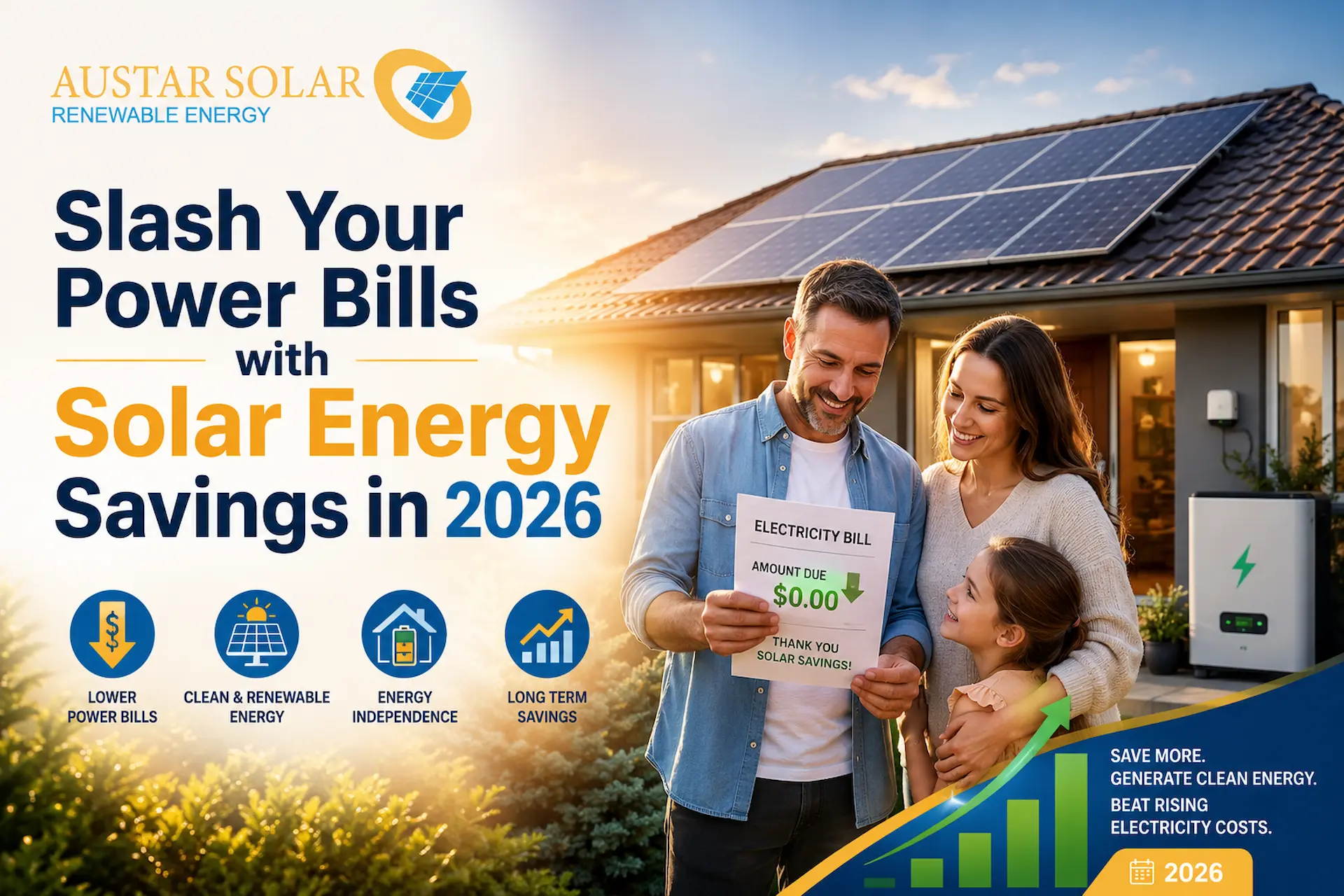
Solar energy reduces your home electricity costs by generating free electricity from sunlight. Instead of buying all your power from the grid, your solar panels supply electricity to your home during the day. This lowers the amount of electricity you need to purchase from your energy retailer.
If your system produces more electricity than you use, the extra power is exported to the grid, and you can receive feed-in tariff credits. Using more appliances during daylight hours increases your solar energy savings because you use more of your own solar power.
Although solar panels require an upfront investment, they can reduce electricity bills for 25 years or more. In Australia, where sunshine is abundant, a properly sized solar system can save households hundreds to thousands of dollars each year.
How Solar Energy Helps Reduce Your Electricity Bills
Installing a solar power system is one of the most effective ways for Australian homeowners to reduce their electricity bills. By converting abundant sunlight into clean, renewable electricity, solar panels allow you to power your home during daylight hours while relying less on expensive grid electricity. This increase in solar self-consumption can lead to significant solar energy savings over the lifetime of your system.
When your solar system generates more electricity than your household is using, the excess energy is automatically exported to the grid. In return, your energy retailer may provide feed-in tariff (FiT) credits, helping to offset your ongoing electricity costs even further. Combined with Australia’s excellent solar conditions, a correctly sized system can deliver substantial long-term savings and reduce your dependence on rising energy prices.
At Austar Solar, we design and install high-performance solar systems tailored to your home’s energy usage, roof layout, and budget. Our experienced team helps homeowners across Sydney, Port Macquarie, Bowral, and surrounding areas maximise their solar energy savings with premium solar panels, quality inverters, and battery-ready solutions, ensuring the best possible return on investment for years to come.
Generate Your Own Electricity
Solar panels convert sunlight into electricity for your home.
- Appliances use solar power first during daylight hours.
- You buy less electricity from your energy retailer.
- Lower grid usage means lower electricity bills every month.
- Homes with high daytime electricity use usually save the most.
Earn Credits for Extra Solar Power
If your system generates more electricity than you need, the excess power is sent to the electricity grid.
- Your electricity retailer pays a feed-in tariff for exported energy.
- These credits reduce your final electricity bill.
- The value depends on your state, retailer, and energy plan.
Reduce Peak Electricity Costs
Electricity prices are often highest during peak demand periods.
- Solar panels produce the most power on sunny afternoons.
- Using appliances during daylight hours helps avoid expensive grid electricity.
- This increases your overall savings.
Lower Long-Term Energy Costs
Although installing solar panels requires an upfront investment, they provide savings for many years.
- Most quality systems last 25 years or more.
- Lower electricity bills help recover the installation cost over time.
- Ongoing savings continue after the system has paid for itself.
Real-Life Example
A family in Brisbane installs a 6.6 kW solar system and runs appliances like the dishwasher, washing machine, and air conditioner during the day. They use more of their own solar electricity and export the extra power. As a result, they significantly reduce their monthly electricity bills and save well over $1,000 each year.
Solar battery Storage and its Benefits
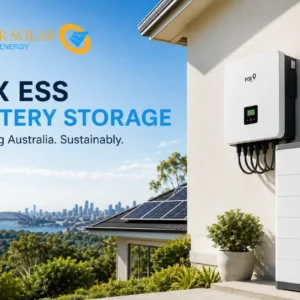
By using solar battery storage, families can easily reduce their electricity costs and get reliable power every day. Check out the main benefits below:
- Electricity at night: The electricity generated by solar panels during the day is stored in the battery, and all the appliances can be run at night.
- Reliability during blackouts: Even if the power goes out, the household appliances continue to run from the battery.
- Electricity cost reduction: The electricity generated during the day can be stored in the battery if not used directly, thus reducing the night bill.
- Time of Use Benefits: You can save money by using electricity from the battery during the cheap tariff at night.
- Peak demand reduction: When the demand for electricity in the market is high, the family’s needs can be met with the battery.
- Daily comfort and security: The lights, fans, and refrigerators are always on, and the family is at peace.
Solar battery storage not only reduces costs but also ensures peace, comfort, and energy security in daily life. This increases both home battery benefits and Solar self-consumption savings.
Solar’s Payback Period
Installing solar panels is not only about generating electricity but also about reducing your electricity costs. The system starts working every day as soon as the sun rises, and small savings accumulate every moment. Even a small house becomes a big savings account day by day. Installing solar on the roof of the house means reducing costs and creating solar energy savings for the long term. The light in each house remains on, but the cost in your pocket decreases. The sun smiles every day, and the light comes into the house, and the cost decreases. This small change brings great happiness to life.
Residential system example
| Solar System | Installation Cost (AUD) | Annual Savings (AUD) | Payback Period (years) |
| 3 kW | 5,000 | 800 | 6.25 |
| 5 kW | 7,500 | 1,300 | 5.77 |
| 10 kW | 14,000 | 2,500 | 5.6 |
- 3 kW system for a small house: A small house requires less installation cost and saves a small amount per year.
- 5 kW for a medium house: Meets the electricity needs of a medium family, good savings, short payback period.
- 10 kW for a large house: Large houses require more electricity, but annual savings are also higher.
Commercial System Example
| System Size | Installation Cost (AUD) | Annual Savings (AUD) | Payback Period (years) |
| 20 kW | 28,000 | 5,500 | 5.1 |
| 50 kW | 65,000 | 14,500 | 4.48 |
| 100 kW | 120,000 | 30,000 | 4 |
- 20 kW for small businesses: Starts with low cost savings and has a fast payback period.
- 50 kW for medium businesses: Big savings, fast payback, low electricity costs.
- 100 kW for large organisations or factories: High installation costs, but the biggest savings, the payback period is very short.
Sunlight every day helps reduce your costs. Solar energy savings become a source of joy for every family. Small decisions turn into big savings. And give the power to reduce expenses for a long time. The house lights stay on, but the cost of the pocket is low. Solar means not only electricity, but also peace and happiness.
Costs of Solar Panels in 2026
Solar energy savings are a huge benefit to homes and businesses in Australia. The cost of solar panels varies from home to home. It’s easy to see how much a system costs and how much annual savings you can expect. The tables below show the cost, daily output, and size of residential and commercial systems.
Residential Solar Cost Table (2026)
| System Size | Average Cost (after rebates) | Daily Output |
| 3 kW | $3,000 – $5,000 | 12 kWh |
| 5 kW | $4,500 – $7,000 | 20 kWh |
| 6.6 kW | $5,000 – $8,500 | 26 kWh |
| 10 kW | $8,000 – $12,000 | 40 kWh |
Commercial Solar Cost Table (2026)
| System Size | Average Cost (after rebates) | Daily Output |
| 30 kW | ~$25,000 – $35,000 | 120 kWh |
| 50 kW | $45,000 – $51,000 | 200 kWh |
| 100 kW | $80,000 – $100,000 | 400 kWh |
Premium vs Budget Solar Panels
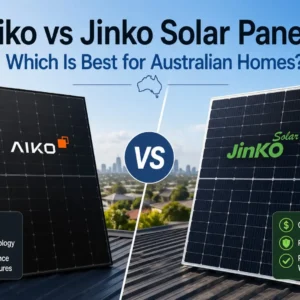
It is important to understand the difference between premium and budget panels when choosing solar panels for your home or business.
Premium panels:
- High efficiency → Generates more electricity from the same amount of sunlight.
- Longevity → Typically usable for 25+ years.
- Higher cost → Higher initial outlay, but greater long-term savings.
Budget panels:
- Low cost → Affordable for those on a tight budget.
- Slightly lower efficiency → Less production per day.
- Short lifespan → Typically 15–20 years.
| Panel Type | System Size | Installation Cost (AUD) | Daily Output | Annual Savings (AUD) | Payback Period (Years) |
| Premium Panel | 5 kW | 7,500$ | 23 kWh | 1,500 | 5 |
| Budget Panel | 5 kW | 6,000 | 20 kWh | 1,300 | 5.5 |
A 5 kW premium system costs $1,500 more than a budget system, but produces 3 kWh more electricity per day. This results in higher annual savings and a slightly shorter payback period. Budget systems are available at a lower cost, but the overall savings are slightly lower due to lower daily output.
Pro tips*: Choose a system based on your home’s daily electricity usage, Australian solar panel cost, and long-term savings goals. Premium panels are a better option if you want higher savings and higher efficiency in the long run. Budget panels are also effective in reducing electricity bills for those with limited budgets or small homes.
Government Rebates and Incentives
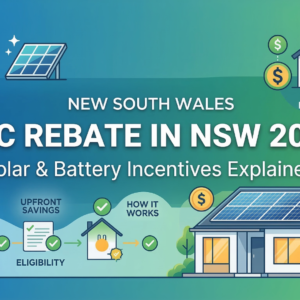
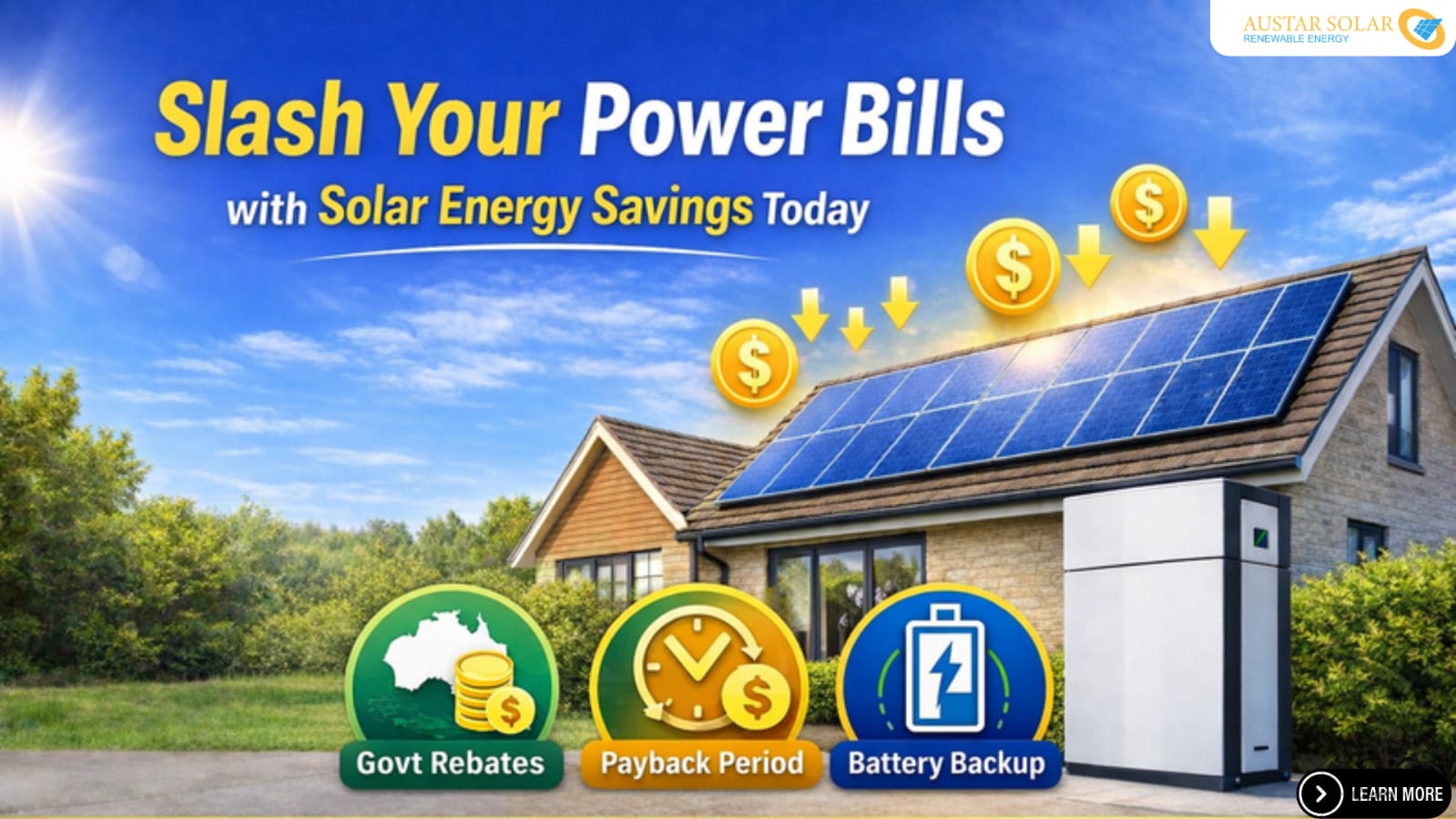
In Australia, the government offers solar rebates, which greatly reduce the cost of system installation. Government incentives ensure solar energy savings for homeowners and reduce the payback period quickly.
SRES and STC
Installation costs can be reduced using the SRES (Small-scale Renewable Energy Scheme) and STC (Small-scale Technology Certificates). These apply differently for each panel system.
Cheaper Home Battery Program
The government battery program ensures solar energy savings for homes at a low cost. It is possible to significantly reduce home electricity bills by using a small battery system. With government support, installing batteries is now more affordable.
- Battery systems: 5 kWh – 100 kWh
Discount: Approximately 30% on upfront costs
STC Factor now reduces every 6 months
Tiered rebate:
0–14 kWh → 100%
14–28 kWh → 60%
28–50 kWh → 15%
Benefits:
- Reduce home electricity bills
- Increase solar energy savings
- Blackout protection
- Government rebates and incentives
Quick tips:
- Choose the right battery size
- Larger batteries are not always needed
- Installation before 1 May 2026 will give you more rebates
This program ensures energy savings, safety, and long-term savings, whether you use small or large batteries.
How to calculate the solar system size
| Daily Power Consumption (kWh) | System Required (kW) | Daily Production (kWh) |
| 20 kWh | 5.5 kW | 20 kWh |
| 24 kWh | 6.6 kW | 24 kWh |
| 30 kWh | 7.92 kW | 30 kWh |
Long-term benefits of solar
Using solar panels provides direct solar self-consumption savings to run lights, fans, and appliances in every room of the house. Systems from small to large reduce electricity costs in all types of homes and protect the environment. Everyone in the house feels at peace because the electricity bill is reduced and the carbon footprint is reduced. Once this benefit is available, the pressure on household expenses is reduced every day.
Reducing the carbon footprint
Using solar panels results in fewer carbon emissions from the house. So the air is cleaner, and nature is healthier. Young children can play outdoors, and the family is better off. When daily electricity use comes from solar, the world is much healthier.
Protection against rising electricity costs
Even if electricity prices increase, families using solar panels no longer panic. The electricity cost of the house remains stable, and the family budget is in order. Even small appliances can be easily operated because electricity is directly obtained from the panels. In this way, solar self-consumption savings are ensured.
Increase in house value
Having solar panels on a house increases the property’s market value. The house becomes more attractive to potential buyers or tenants because it offers cheaper electricity. In addition to the price of the house, the family also gets peace of mind. A one-time solar investment increases both the house’s value and long-term savings.
FAQs About Solar in Australia
1. How long do solar panels last?
Most solar panels last 25 to 30 years or more. They continue producing electricity after that, although their efficiency gradually decreases. Quality panels also include long-term performance warranties.
2. What maintenance is required?
Solar panels require very little maintenance. Keep them clean by removing dust, leaves, and debris. A professional inspection every few years helps ensure the entire solar system works efficiently.
3. Can solar power an entire house?
Yes, a correctly sized solar system can power most or all of your home’s electricity needs during the day. A battery helps provide electricity at night and during outages.
4. Can I expand my system later?
Yes, you can expand most solar systems later. Your installer will check your inverter capacity, roof space, and electrical setup before adding more solar panels to the system.
5. What happens during a blackout?
Most grid-connected solar systems stop working during a blackout to protect utility workers. If you have a battery with backup power, selected household appliances can continue running safely.
Conclusion
Every household can easily reduce its home’s electricity costs and enjoy the convenience of everyday life by using solar energy savings. A properly installed rooftop solar system and battery power system can keep all appliances running at night, and can benefit from the Government Solar Rebates Australia. This not only reduces electricity costs but also gives the family financial freedom and peace of mind. It is effective in any home, small or large, and ensures Solar self-consumption savings every day. Make a decision today and start reducing costs.