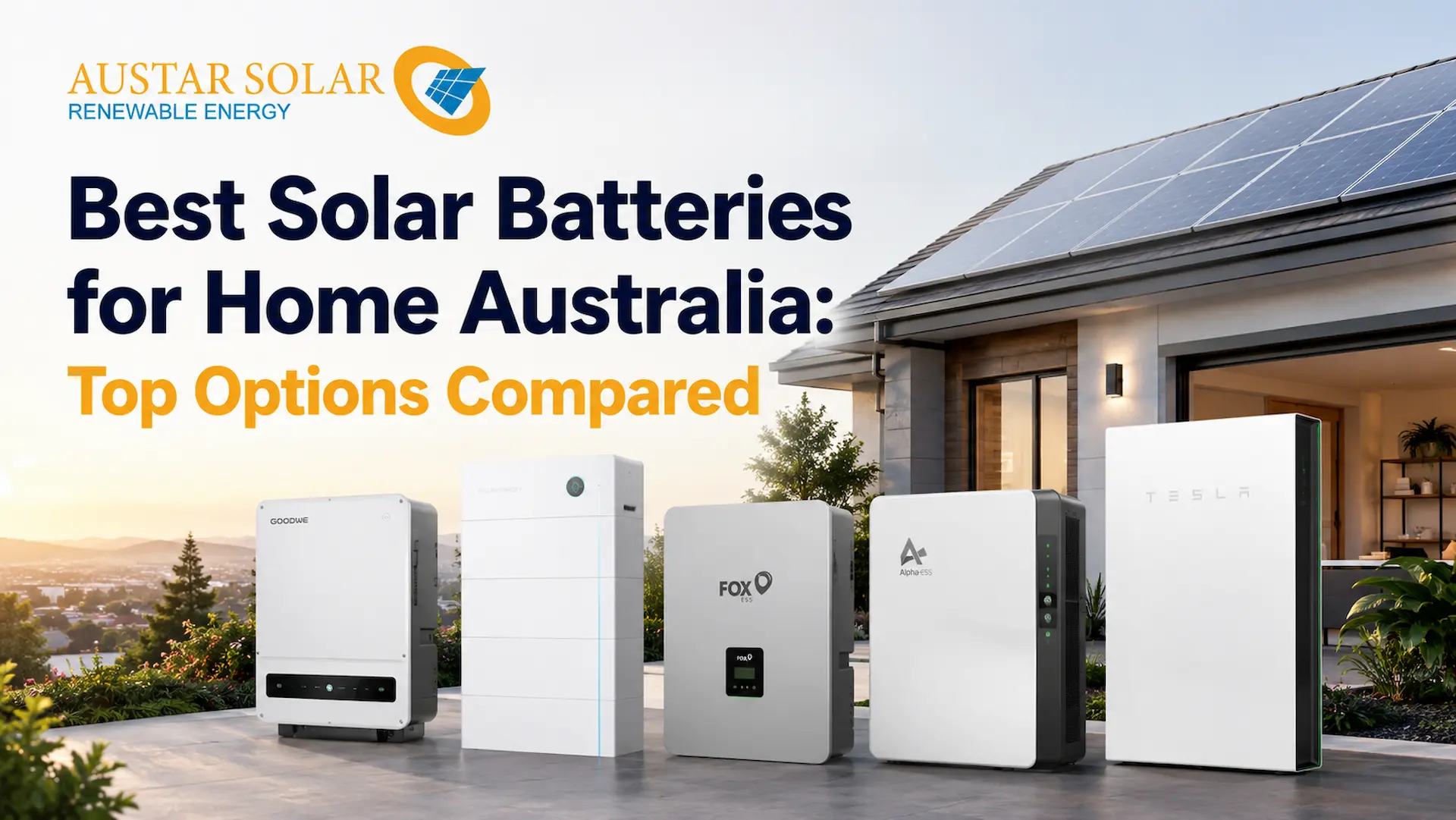
Choosing the right solar battery for your home can be difficult, especially with so many leading brands competing in the Australian market. In 2026, Tesla Powerwall 3, Sungrow SBR/SBH, Sigenergy SigenStor, AlphaESS SMILE, Fox ESS, GoodWe Lynx, and Enphase IQ Battery 5P stand out as some of the leading residential battery options worth considering.
However, the best solar battery isn’t necessarily the most expensive or the one with the highest capacity. The right choice depends on your energy usage, solar system, budget, backup requirements, inverter compatibility, warranty, and whether you want features such as EV charging or smart energy management.
In this best solar battery buying guide, we compare these leading solar batteries available in Australia based on capacity, power output, pricing, battery chemistry, warranty, scalability, features, and overall suitability for different types of homes. By the end, you’ll have a clearer idea of which battery is the best fit for your household and energy needs.
This guide compares their key features, advantages, and limitations to help Australian homeowners choose the right battery.
Best Solar Battery Brands List At A Glance
| Battery | Usable Capacity | Approx. Price (Installed)* | Power | Chemistry/Battery technology | Best For | Warranty |
| Tesla Powerwall 3 | 13.5 kWh | $14,000-$17,000 | Up to 11.04 kW | LFP | Integrated backup | 10 years |
| Sungrow SBR/SBH | 9.6-40 kWh | $7,500-$19,500 | Model dependent | LFP | Modular storage | 10 years |
| Sigenergy SigenStor | 5.2-53 kWh (residential) | $12,000-$46,000 | Model dependent | LFP | Smart energy + EV | 10 years |
| AlphaESS SMILE | Up to 33 kWh usable | $8,500-$17,500 | 5,000 W (SMILE5) | LFP | Flexible systems | 5-yr product / 10-yr battery |
| Fox ESS | Up to 42 kWh | $6,000-$21,500 | Model dependent | LFP | Modular value | 10 years (confirm per model) |
| GoodWe Lynx | Up to 32.4 kWh (Lynx Home U) / 28.8 kWh per tower (Lynx F G2) | $10,000-$16,000 (larger stacks up to ~$35,000) | Model dependent | LFP | GoodWe ecosystem | 10 years |
| Enphase IQ Battery 5P | 5-70 kWh | $8,000-$15,000+ per unit, scales with unit count | Up to 3.84 kW per unit | LFP | Enphase systems | 15 years |
Note*: Warranty terms may vary depending on the specific battery model, manufacturer, installation requirements, and applicable state regulations or policies. Always check the manufacturer’s current warranty terms before making a purchase.
Prefer to Watch? Explore the Best Solar Batteries in Australia
If you prefer watching rather than reading, check out our video covering the 7 Best Solar Batteries in Australia 2026. It provides a helpful overview of the top battery storage options, their key features, and what to consider when choosing the right battery for your home.
Prefer to watch? Watch the video below for a quick overview of the best solar batteries in Australia.
1. Tesla Powerwall 3
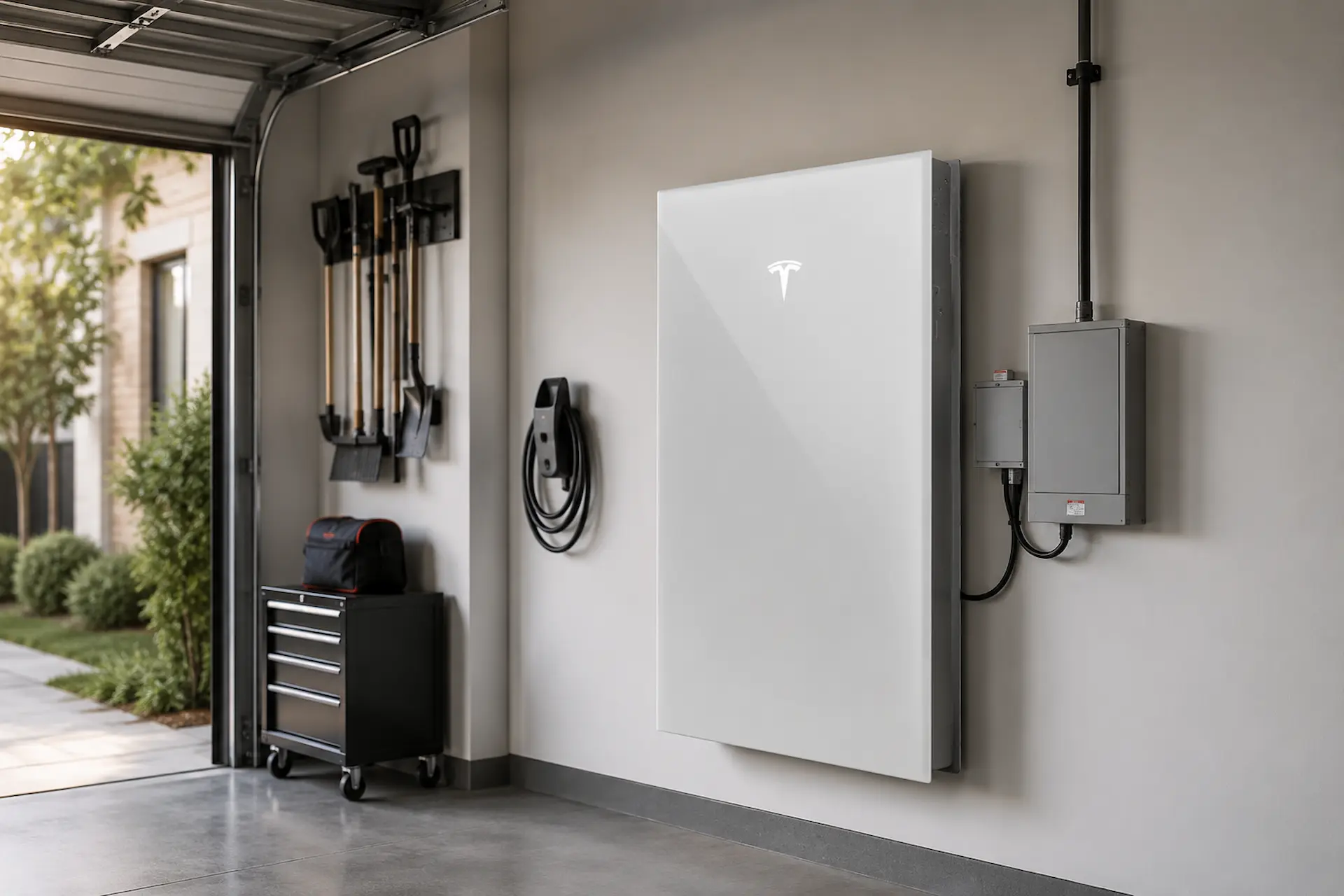
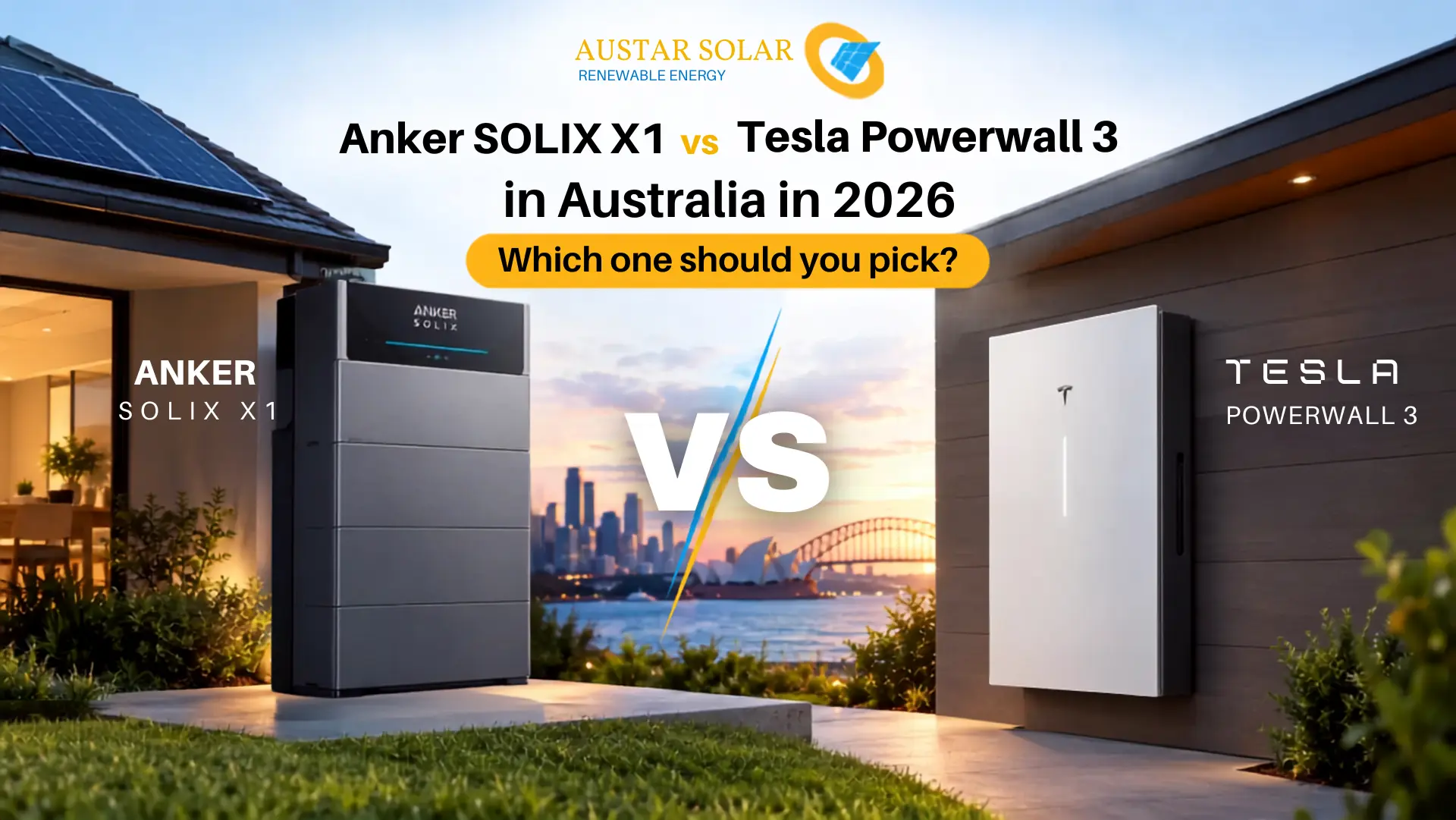
Tesla’s Powerwall 3 pairs a battery and inverter in one sealed unit, ideal for families running ducted air-con, EV charging, and cooking simultaneously since its 11.04 kW output handles high-demand loads well. The trade-off: you can’t swap in a cheaper third-party inverter later, and not every property qualifies for the top output tier, so confirm switchboard requirements first.
Usable capacity: 13.5 kWh (14 kWh total)
- Output: Configurable 5 kW / 10 kW / 11.04 kW AC, depending on setup and grid rules
- Monitoring: Tesla app
- Best for: Whole-home backup in a single unit
For a detailed look at its features, performance, pricing, and key benefits, read our: Tesla Powerwall 3 Review 2026: Price, Performance & Is It Worth It in Australia?
2. Sungrow Battery
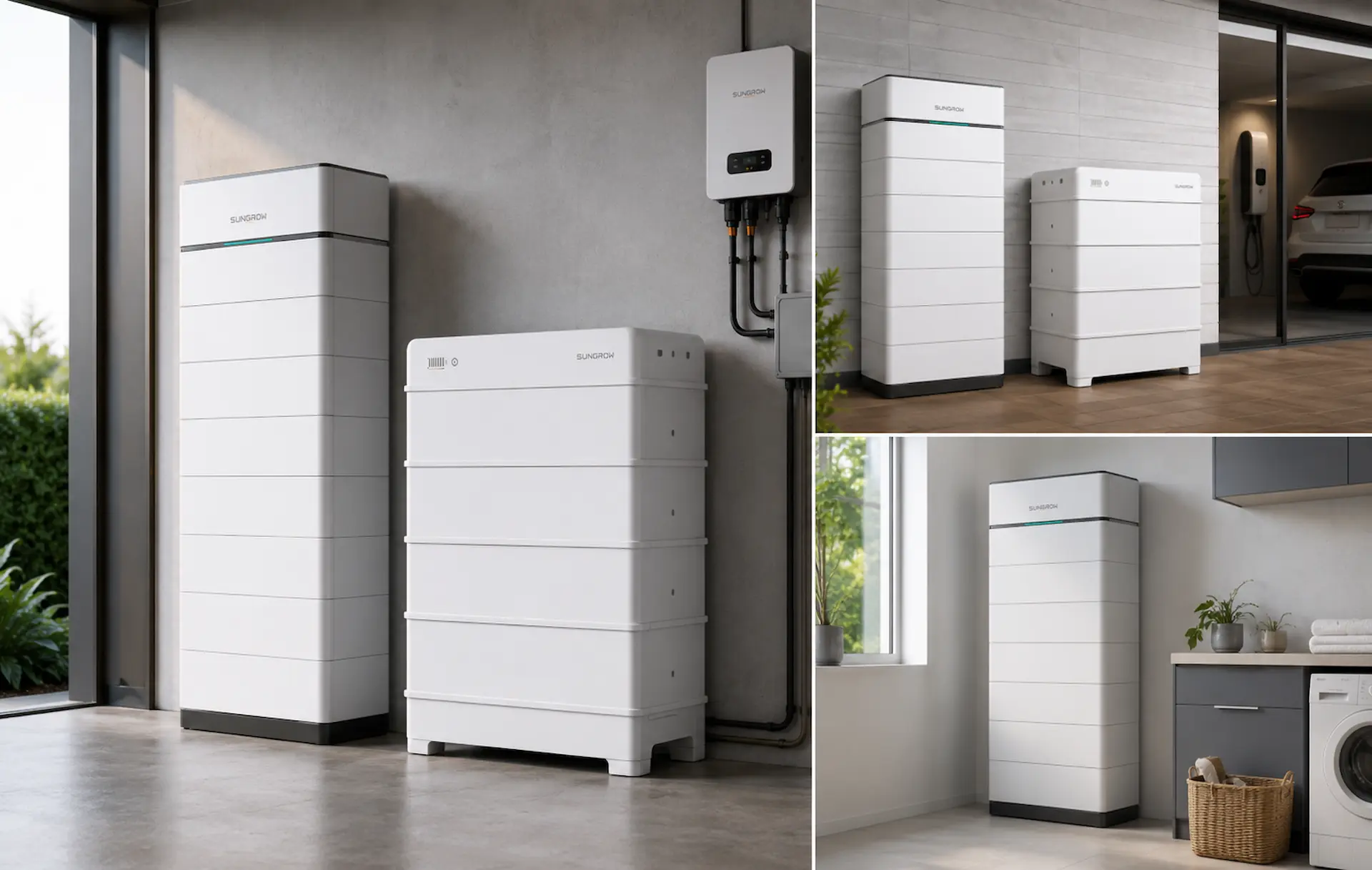
Sungrow modular high-voltage batteries suit homeowners who can’t afford full capacity now but expect to add an EV or home extension later, since extra modules can be stacked over time. The catch: expanding an existing stack sometimes triggers re-commissioning fees or firmware updates, so confirm this is included before comparing starting prices.
- Chemistry: LFP
- SBR series: 3.2 kWh/module, up to 8 modules → 9.6–25.6 kWh
- SBH series: 5.0 kWh/module → roughly 10–40 kWh
- Depth of discharge: 100% on most configurations
- Voltage range: ~192V–512V nominal, depending on module count
- Rating: IP55 (indoor or protected outdoor)
- Warranty: 10 years
For a detailed look at its features, performance, pricing, and key benefits, read our:
Sungrow SBH Battery Review (2026): Smart Battery Storage Guide for Australian Homeowners &
Sungrow SBR Battery Review: 6.4kWh–25.6kWh Solar Battery Storage Explained
3. Sigenergy Battery
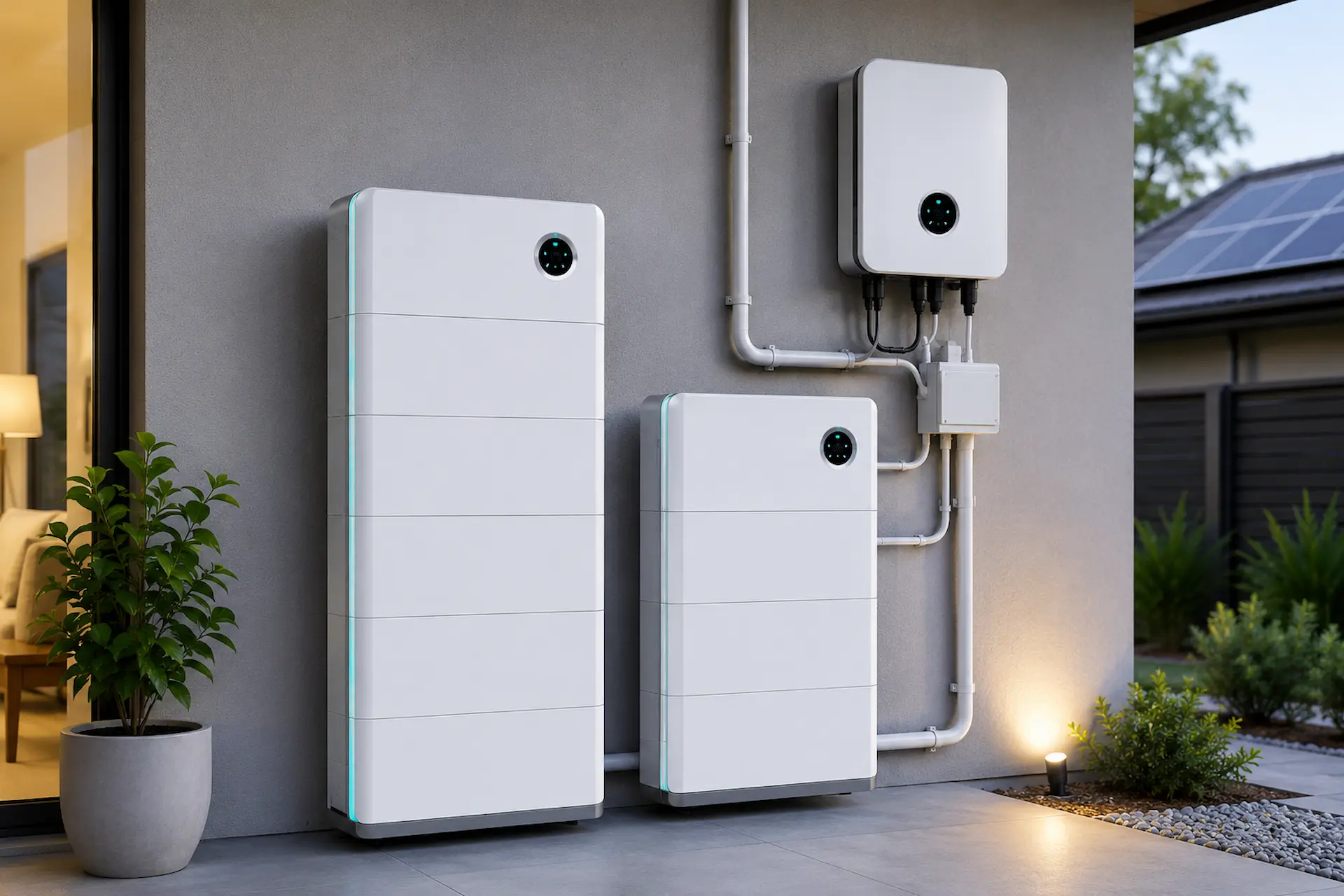
Sigenergy’s SigenStor 5-in-1 tower is the pick for households that just bought an EV and are tired of juggling separate solar, storage, and charging apps, since it manages all three from one dashboard. Note that the DC EV charger is often quoted as a separate line item, not automatically bundled, so confirm it’s included before comparing prices.
- Module sizes: 5 kWh (~5.2 kWh usable) and 8 kWh (~7.8 kWh usable)
- Stacking: 1–6 modules per tower → ~48–53 kWh (residential); up to ~480 kWh (commercial)
- Rating: IP66 (indoor/outdoor)
- Backup switchover: As fast as 5 milliseconds
- Best for: Households wanting EV charging integrated with storage
For a detailed look at its features, performance, pricing, and key benefits, read our Sigenergy Battery Storage Review: Smart Home Energy Storage Explained
4. AlphaESS Battery
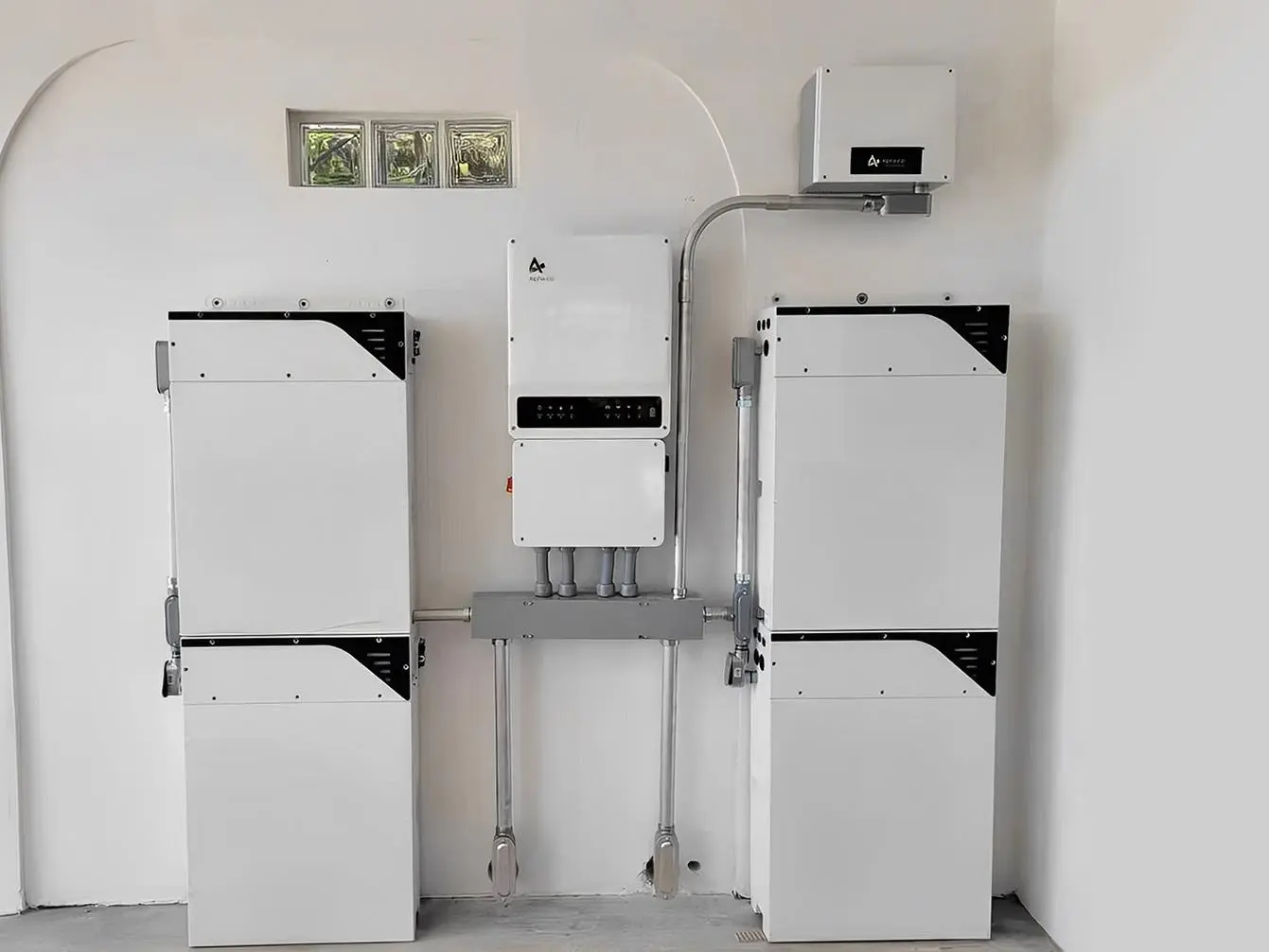
AlphaESS suits budget-conscious 3-bedroom households that want reliable evening backup without EV charging or smart-home extras, thanks to its straightforward single-phase SMILE5 setup and 10,000-cycle rated modules. One thing to check: the product warranty runs only 5 years, shorter than the 10-year battery warranty, so ask exactly what’s excluded before signing.
- Module capacity: 5.7 kWh (~5.5 kWh usable at 96% DoD)
- Expansion: Up to 6 modules → ~34.4 kWh (33 kWh usable)
- Chemistry: LFP
- Inverter: SMILE5, 5,000 W single-phase
- Cycle life: 10,000 cycles
- Rating: IP21 (indoor) or IP65 (outdoor)
- Warranty: 5-year product + 10-year battery
Note*: AlphaESS’s cited ~23% share of Australia’s 2022 storage installations (per the 2023 SunWiz report) reflects 2022 volumes, not current 2026 market position.
For a detailed look at its features, performance, pricing and key benefits, read our Alpha ESS Battery Review Australia 2026: Is It Worth It?
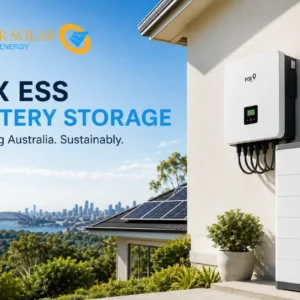
5. Fox ESS Battery
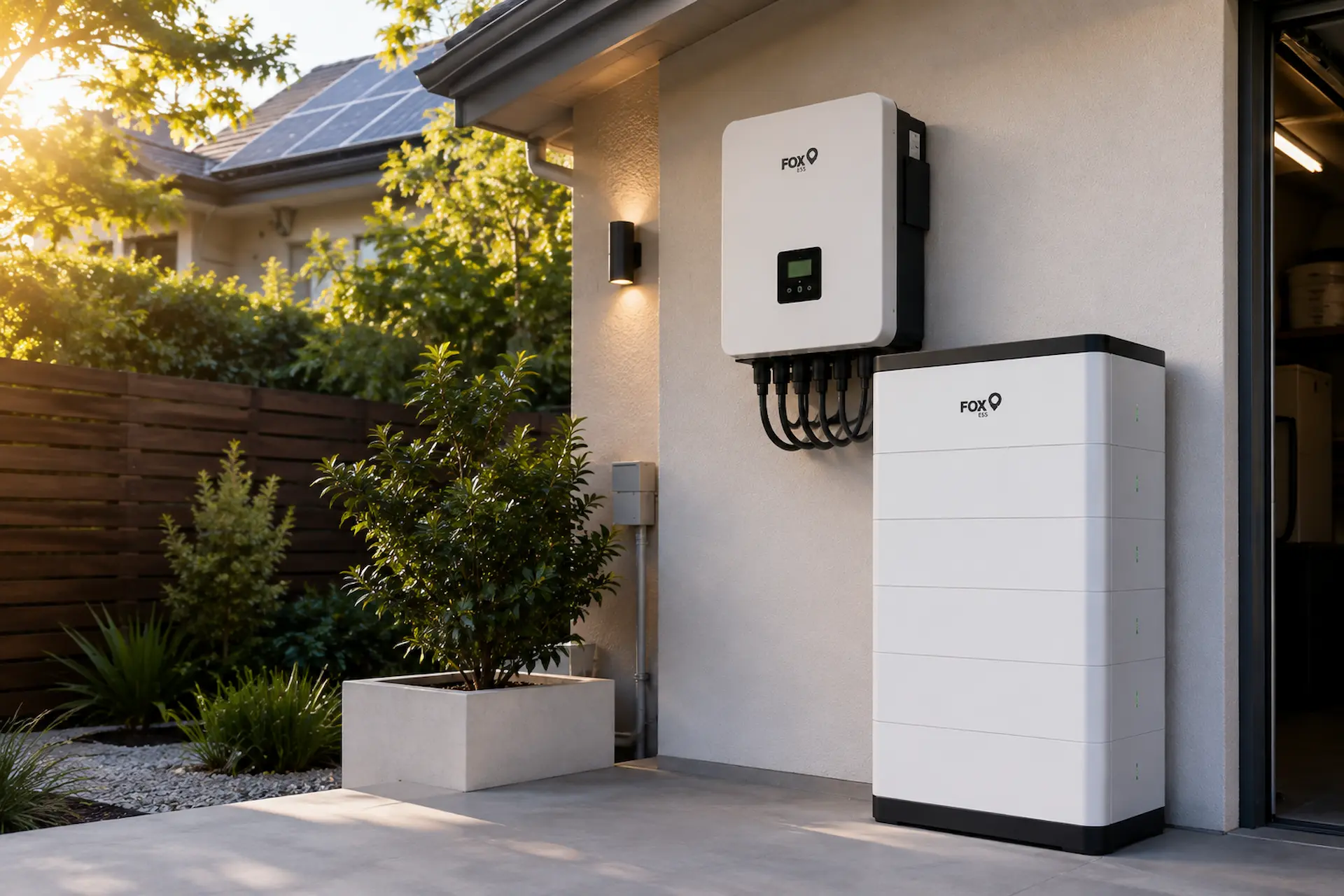
Fox ESS is the pick for homeowners comparing quotes on price first, since it regularly costs less installed than Tesla or Sigenergy for a similar kWh figure. The trade-off: older HV2600 and newer EQ4800 modules aren’t always cross-compatible, so lock in the exact series with your installer if you plan to expand later.
- HV2600 series: 2.56 kWh/module, up to 8 modules → ~20.48 kWh
- EQ4800 series: 4.66 kWh/module, up to 9 units → ~42 kWh
- Chemistry: LFP
- Depth of discharge: 90–100%, model-dependent
- Cycle life: 6,000+ cycles
- Compatible inverters: Fox ESS H1 and H3 series
- Warranty: Typically 10 years — confirm current terms per model
For a detailed look at its features, performance, pricing, and key benefits, read our Fox ESS Battery Review in Australia 2026 | Price, Specs & Performance
6. GoodWe Battery
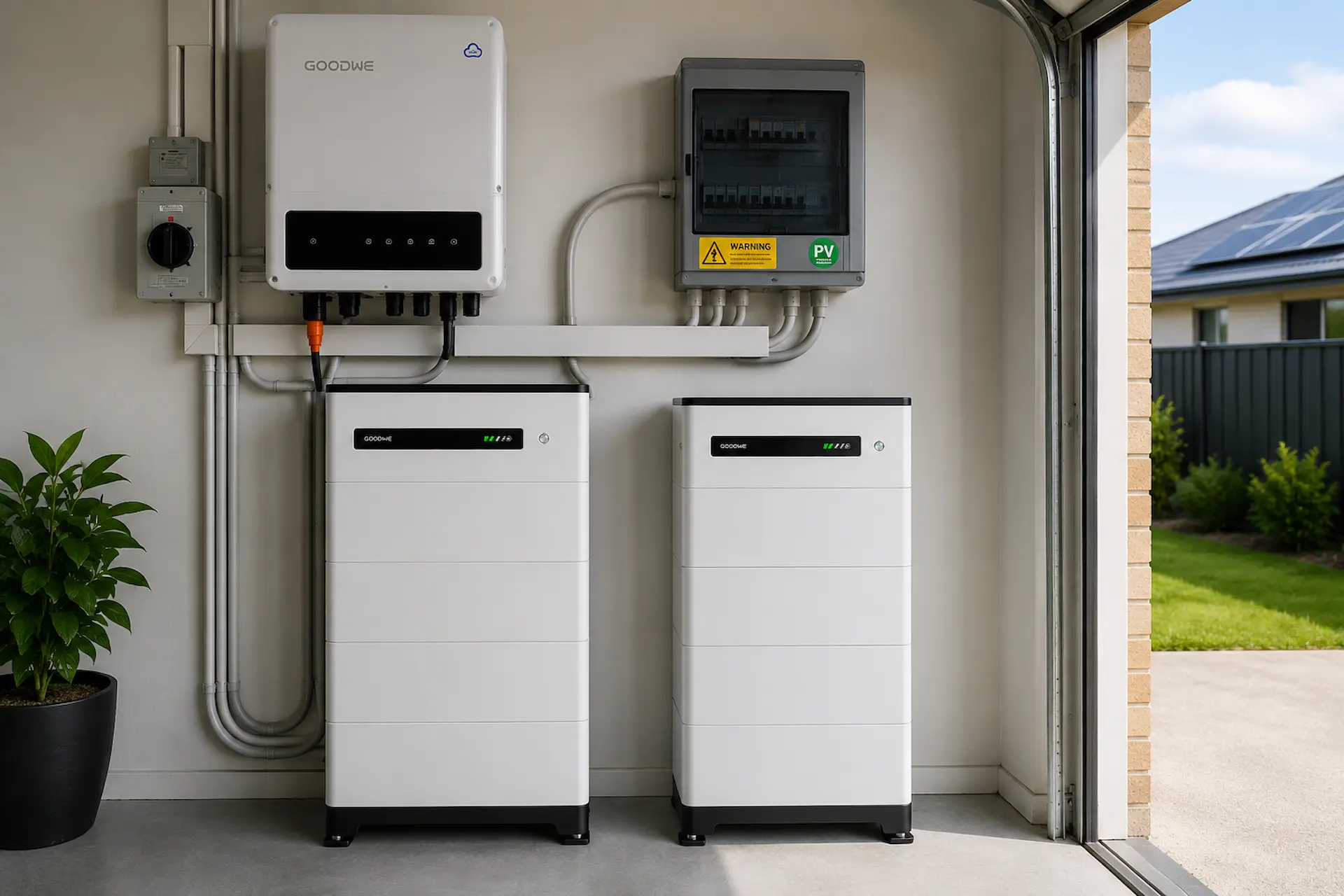
GoodWe suits homeowners who already installed a GoodWe solar inverter years ago and now want to add storage without ripping out working equipment, staying within the same ecosystem. Its residential lineup spans five series, all built on safe LFP (LiFePO₄) cell chemistry:
ESA (all-in-one), Lynx Home U (modular low-voltage), Lynx F G2 (high-voltage), Lynx U G3 (next-gen low-voltage), BAT-C (commercial-scale).
- Lynx Home U: 5.4 kWh/module, up to 6 modules → 32.4 kWh (pairs with GoodWe ES/SBP inverters)
- Lynx F G2: 6.4 kWh base, expandable to 28.8 kWh per tower, up to 8 towers in parallel
- Rating: IP65
- Feature: Auto-reboot after under-voltage protection
- Warranty: 10 years, product and performance
7. Enphase Battery Storage
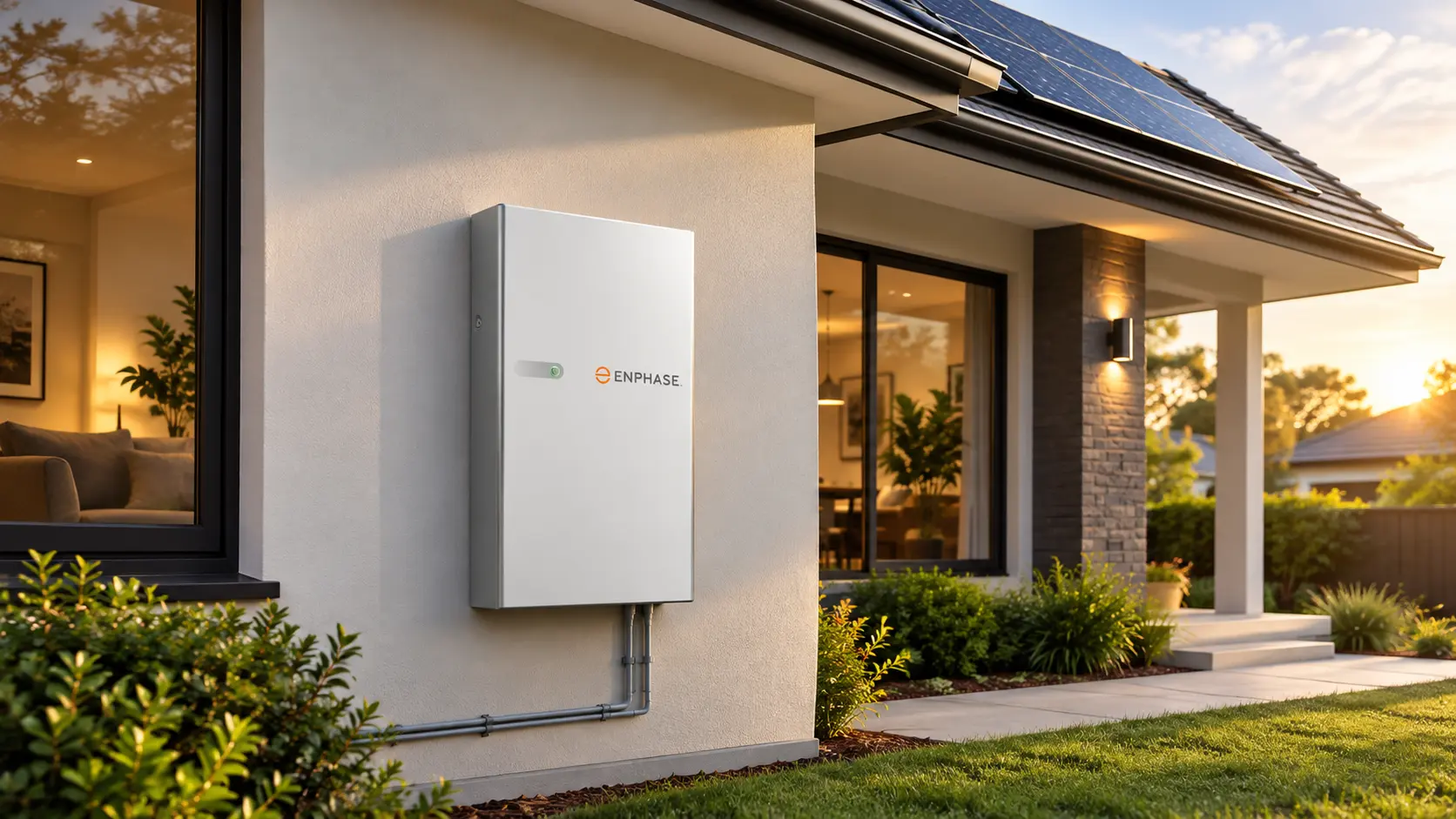
Enphase suits households that installed microinverters years ago purely for panel-level monitoring and reliability, and now want to add battery backup without touching the existing solar setup. Its AC-coupled design retrofits easily onto almost any system, though the trade-off is lower per-unit output (3.84 kW), so multiple units are often needed to match rivals.
Key Specifications
- Capacity: From 5 kWh per unit, scalable to ~70 kWh
- Feature: FlexPhase support for single-phase and three-phase homes
- Warranty: 15 years / 6,000 cycles — longest in this comparison
- Best for: Homes already running Enphase microinverters
Best Solar Battery Australia Price For Home
Battery pricing depends heavily on capacity, brand, inverter compatibility, and installation complexity. The ranges below are indicative only, updated for 2026, and assume standard installation:
| Battery Name | Approx. Price | Typical Installed Cost |
| Tesla Powerwall 3 | From $11,200 (hardware only) | $14,000-$17,000 |
| Sungrow SBR/SBH | From $7,500 | $7,500-$19,500 |
| Sigenergy SigenStor | From $12,000 (16 kWh) | $12,000-$46,000 |
| AlphaESS SMILE | From $8,500 | $8,500-$17,500 |
| Fox ESS | From $5,999 | $6,000-$21,500 |
| GoodWe Lynx | From $10,000 | $10,000-$16,000 (larger stacks up to ~$35,000) |
| Enphase IQ Battery 5P | From $8,200 per 5 kWh unit | $8,000-$15,000+, scales with unit count |
Note*: All figures are in AUD, before the federal battery rebate. “Approx. Price” is the lowest advertised starting point for a small configuration; “Typical Installed Cost” is the full range homeowners actually pay once labour, switchboard work and backup wiring are included. Get a written quote for your property, since site conditions move the final number more than brand does.
What Affects Residential Battery Pricing
- Battery brand; most residential systems use LiFePO4 (LFP) chemistry
- Whether an existing inverter is compatible or needs replacing
- Installation labour and switchboard work
- Household energy usage and desired backup duration
Battery Rebates & Incentives in 2026
Australia’s federal Cheaper Home Batteries Program changed structure on 1 May 2026, moving to a tiered Small-scale Technology Certificate (STC) calculation:
- 0-14 kWh: 100% of the applicable STC factor
- 14-28 kWh: 60% of the STC factor
- 28-50 kWh: 15% of the STC factor
- Systems up to 100 kWh are eligible, but STCs are only calculated on the first 50 kWh
- Current STC factor: 6.8 (May-December 2026)
- Typical net effect: ~30% discount, though the exact dollar value depends on the STC factor and certificate market price at installation, so confirm the live calculation with your installer
State top-ups (2026):
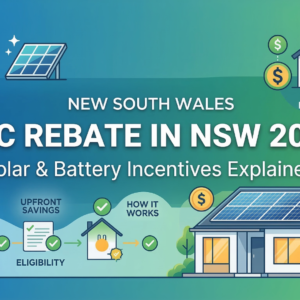
- NSW: the Peak Demand Reduction Scheme (PDRS) pays a separate incentive, worth up to roughly $1,100 to $1,500, for connecting an eligible battery to an approved Virtual Power Plant (VPP). This stacks on top of the federal rebate and no longer requires solar panels to be installed alongside the battery
- ACT: the Home Energy Support Program (HESP) offers up to $5,000 for concession card holders installing a battery, and the Sustainable Household Scheme provides an interest-free (now 3% for general applicants) loan of up to $15,000 to $20,000 to cover whatever the federal rebate doesn’t
- Other states vary, and schemes open and close, so check your state government’s current energy incentives page
How to Choose the Best Solar Batteries (choosing factors)?
1. Check Your Daily Energy Use
Look at your electricity bill to see how much you use in the evening and overnight, since this largely determines the battery size you need.
2. Match Battery Size to Your Solar System
An oversized battery wastes money; an undersized one limits backup and savings.
Decide on Backup Needs
- Full home backup: larger capacity, higher cost
- Essential circuits only: smaller battery, lower cost
- No backup, self-consumption only: cheapest option
3. Compare Battery Chemistry
Most residential batteries use LFP (lithium iron phosphate) for its safety, long lifespan, and stable performance.
4. Check Inverter Compatibility
AC-coupled batteries, like Enphase or GoodWe ESA, work with almost any existing inverter. DC-coupled batteries, like Sungrow or Tesla, usually need a compatible hybrid inverter.
5. Consider Single vs Three-Phase Supply
This matters particularly if you’re comparing Enphase’s FlexPhase options against other brands.
6. Compare Warranty and Lifespan
Look for 10 years or more, with a clearly stated capacity-retention guarantee.
FAQs on Best Solar Batteries Australia
What is the best solar battery in Australia in 2026?
There’s no single best battery for every home. Tesla Powerwall 3 suits homes wanting an integrated all-in-one system, Sungrow and AlphaESS offer flexible modular sizing, Sigenergy adds smart energy and EV charging, and Enphase is the natural fit for existing Enphase solar systems.
What size battery do I need for a 3-bedroom home?
Most 3-bedroom homes with average evening usage do well with an 8 to 10 kWh battery, though households with higher evening consumption, an EV, or heavy backup needs may want 10 to 15 kWh or more.
Is Tesla Powerwall 3 better than Sungrow?
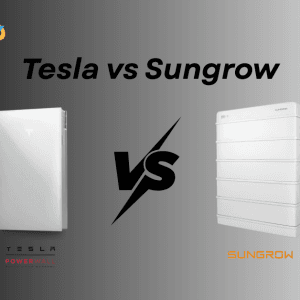
Powerwall 3’s integrated inverter suits homeowners who want a single unified system, while Sungrow’s modular design gives more flexibility in sizing and can suit homes with an existing compatible inverter. Neither is universally “better”; it depends on your setup.
To know more details: Tesla vs Sungrow: Which Solar Battery is Better for Sydney?
Can I add a battery to my existing solar system?
Yes, in most cases. AC-coupled batteries like Enphase or GoodWe’s ESA series work with almost any existing inverter. DC-coupled batteries like Sungrow or Tesla usually need a compatible hybrid inverter, so check compatibility first.
Do solar batteries provide power during a blackout?
Most quality batteries offer blackout backup, and systems like Tesla Powerwall 3 and Sigenergy SigenStor can switch over almost instantly. Not every battery or configuration includes backup by default, so confirm this specifically with your installer.
You can check our: Top 7 batteries for blackout protection in regional NSW 2026
Which solar battery is best for three-phase homes?
Several brands, including Sungrow, Sigenergy, and Enphase’s FlexPhase-enabled IQ Battery 5P, support three-phase configurations. Confirm the specific model and inverter compatibility for your home’s supply.
Are Solar Batteries Safe in 2026?
Yes, when installed by a CEC-accredited installer. Almost every major residential battery now uses LFP (lithium iron phosphate) chemistry, which is far more thermally stable than older lithium-ion chemistries and carries a lower fire risk. Batteries sold in Australia must be CEC-approved and meet AS/NZS installation standards for placement and clearance, so professional installation matters more to safety than the brand itself.
Are solar batteries worth it in 2026?
For most homes with solar and above-average evening electricity use, yes, especially once the federal Cheaper Home Batteries rebate is applied, which brings typical payback down to somewhere between 4 and 10 years depending on the battery, tariff and household usage. The case is weaker for low evening users still on a generous feed-in tariff, so it’s worth running the numbers on your own bill before committing.
Bottom Line
Tesla Powerwall 3 wins on integrated simplicity and peak output, Sungrow and AlphaESS win on price per kWh, Sigenergy wins for EV charging, GoodWe wins for existing GoodWe systems and Enphase wins for AC-coupled retrofits with the longest warranty. Match your evening usage, inverter type, backup needs, and 2026 rebate tier to these strengths, not brand alone.
With the federal Cheaper Home Batteries Program cutting roughly 30% off eligible systems through 2026, now is a practical time to compare accredited installer quotes.
Austar Solar assesses your home’s energy profile and matches you to the right battery, not the most expensive one. Austar Solar & Renewable Energy is an Australian-owned installer serving NSW and the ACT from offices in Sydney, Port Macquarie and Bowral. The team is Solar Accreditation Australia (SAA) certified and CEC-approved, with over 15 years of combined installation experience, and helps homeowners assess their energy needs and select a suitable solar battery system.