Ultimate Solar Panels Guide 2026: Costs, Savings & Installation Tips
In 2026, installing solar panels in Australia is the most effective way to reduce your home’s electricity costs and achieve energy independence. Choosing the right panels, following the solar installation process, and understanding residential solar system costs will increase your savings in the long run. Solar panels convert sunlight directly into electricity, which can be stored in batteries at night or when your electricity bill is high.
Proper planning, selecting premium or standard panels, and regular maintenance will ensure an effective and profitable system for your home. This solar panels guide explains in detail the types of solar panels, popular brands, prices, installation steps, government rebates, and how to calculate savings. Using the Solar Panel Savings Calculator, you can easily find out the costs and savings for your home. Plus, getting a free quote from trusted solar providers ensures a safe and effective installation. Following this guide will help you save energy, protect the environment, and ensure long-term energy security.
Solar Panels Guide 2026: Basic Concepts and Working Methods
According to the Solar Panels Guide 2026, solar panels convert sunlight directly into electrical energy, which makes it easier to operate a home or business. The cells in the panel capture sunlight and produce small amounts of energy, which are gradually converted into usable electricity. This electricity can be used to power lighting, appliances, or household tasks. The entire process is easy to understand, and knowing the solar installation process can help you install the system correctly. This helps you clearly understand the costs and benefits of a residential solar system.
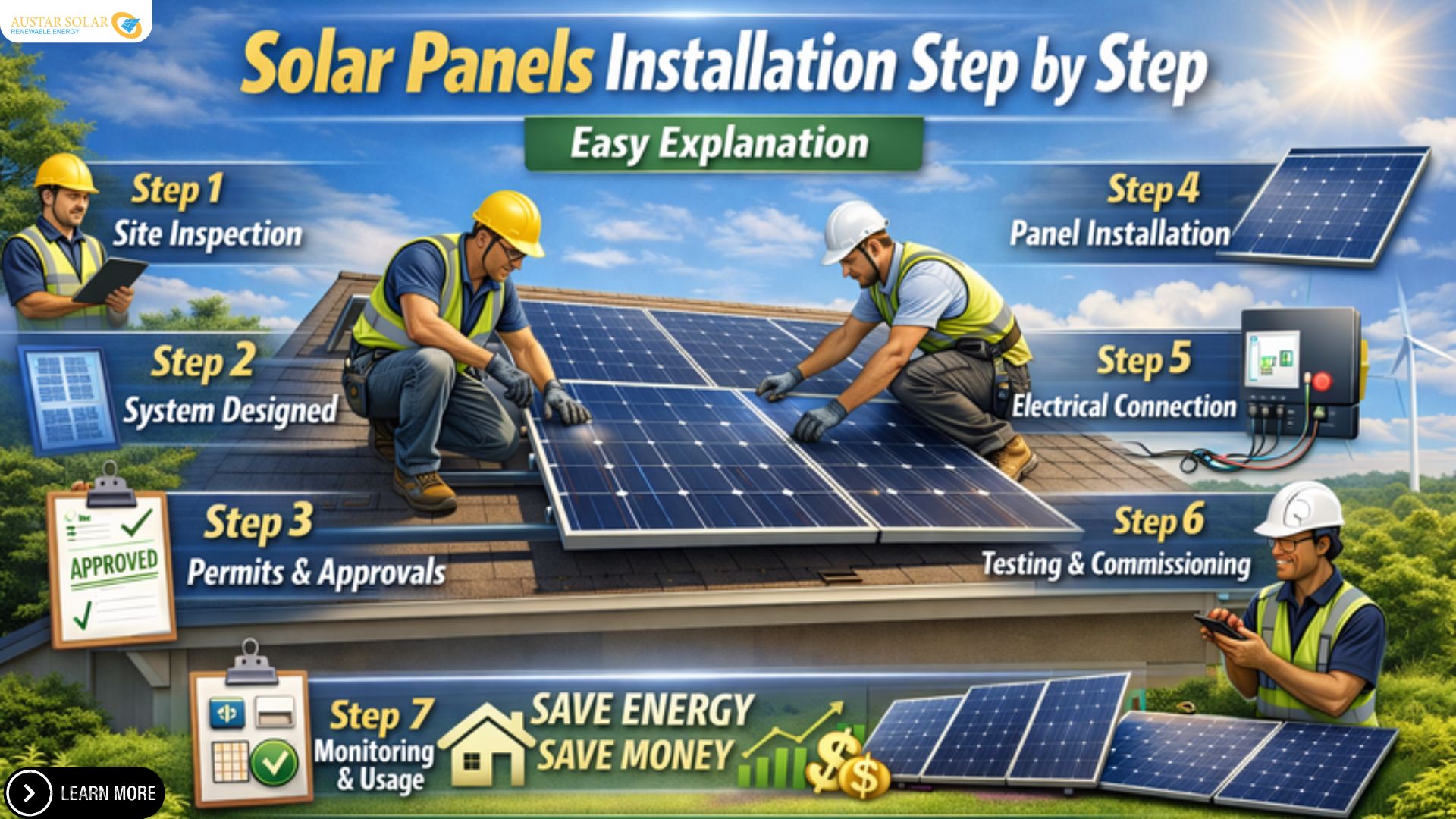
Solar Panels Installation Step by Step: Easy Explanation
- Step 1: Site Inspection: The roof and space of the house are thoroughly examined. The location of the solar panels is determined so that they receive more sunlight.
- Step 2: System Designed: The number of panels required is calculated according to the energy needs of each house.
- Step 3: Obtaining permits and approvals: Permits are obtained as per government regulations, so that the installation is safe and legal.
- Step 4: Panel installation: The panels are fixed on the roof, and the supporting structure is fixed.
- Step 5: Electrical connection: The electricity generated from the panels is made usable through the inverter.
- Step 6: Commissioning and testing: All connections are checked to make sure they are in order, and the system is working properly.
- Step 7: Monitoring and usage: Now the panels are generating electricity regularly, and the cost of electricity starts to decrease.
Installing solar panels is not just about generating electricity; it is also a great way to improve the comfort of your home, reduce costs, and protect the environment. A thorough understanding of each step ensures that the system works well for a long time. Following the Solar Panels Guide 2026 and the Solar installation process, choosing the right panel and installing it becomes easy, which reduces the cost of daily life and ensures energy savings for the future.
Types of Solar Panels: Monocrystalline, Polycrystalline, Thin-Film
Solar panels are made in different types and capacities to capture maximum electricity from sunlight. Each panel generates energy differently and offers specific advantages for installation on the roof of a house. Choosing the right type of panel reduces costs and makes it easier to meet the electricity needs of a house. This section explains the different solar panel types in detail so that you can choose the best panel for your home.
Main Solar Panel Types and Features
- Monocrystalline: This type of panel looks monochromatic and is very powerful. Efficiency 20–22% and lifespan 25–30 years. Price 0.9–1.0 dollars per watt. When installed indoors, it ensures high electricity production and works for a long time.
- Polycrystalline: These panels are bluish in color and have a slightly lower production. Efficiency 15–17% and lifespan 20–25 years. Price 0.8–0.9 dollars per watt. Good option for budgets and still provides affordable electricity.
- Thin-Film: A thin and flexible type of panel, which can be easily installed in various places. Efficiency 10–12% and lifespan 15–20 years. Price per watt is 0.7–0.8 dollars. Suitable for use in small spaces or areas with low light.
Solar Panel Comparison Table
| Type | Efficiency (%) | Lifetime (years) | Average Price ($/W) |
| Monocrystalline | 20–22 | 25–30 | 0.9–1.0 |
| Polycrystalline | 15–17 | 20–25 | 0.8–0.9 |
| Thin-Film | 10–12 | 15–20 | 0.7–0.8 |
Each panel offers different power and benefits, so choosing the right type of panel for your home is very important. Monocrystalline provides more power and lasts longer, Polycrystalline is budget-friendly and still produces good power, and Thin-Film is suitable for use in small spaces or low light. Understanding solar panel types ensures that you make the right decision, saving energy and providing long-term benefits. Combining the features of each panel makes it easier to meet the energy needs of the home and reduce future costs.
Sydney, Port Macquarie, and Bowral: Benefits of Solar Panel Installation and Savings
In these major Australian cities, solar panel installation is particularly effective in reducing home energy costs and increasing long-term savings. Choosing the right solar system for each city’s unique climate, sunlight exposure, and power needs can increase energy output and reduce residential solar system costs by following the Solar Panels Guide 2026. Below are detailed benefits and installation tips for Sydney, Port Macquarie, and Bowral.
Sydney: Maximum savings with solar panel installation
Installing solar panels on Sydney homes allows for a large amount of sunlight throughout the year, significantly reducing electricity bills and increasing long-term savings. Following the Solar Panels Guide 2026 and using the Solar Panel Savings Calculator ensures the correct system sizing, solar installation process, and the highest solar ROI for your home.
Port Macquarie: Coastal Solar Benefits and Long-Term Savings
Solar installations are very beneficial for homes in Port Macquarie, as the abundant sunlight and coastal climate ensure reliable power generation year-round. Proper panel selection, regular maintenance, and following the Solar Panels Guide 2026 can increase energy output and reduce residential solar system costs in the long term.
Bowlral: Effective solar panels to reduce electricity bills
Installing solar panels at Bowlral’s home provides uninterrupted electricity generation despite seasonal changes. Following the Solar Panels Guide 2026 ensures that the solar installation process is completed correctly, premium or standard panels can be selected correctly, and the correct payback period for the home can be determined using the Solar Panel Savings Calculator.
Top Solar Panel Brands 2026 – Australia
Selecting the Top Solar Panel Brands for 2026 maximizes energy production for the home and reduces costs in the long run. Each brand of panel comes with different capacities, efficiencies, and prices, which help meet the electrical needs of the home. Some brands are known as premium solar panels, which provide more power and longer life, while others are budget-friendly but effective. Understanding different solar panel brands makes it easier to select the right panel and ensures home electricity savings.
Main Solar Panel Brands and Features
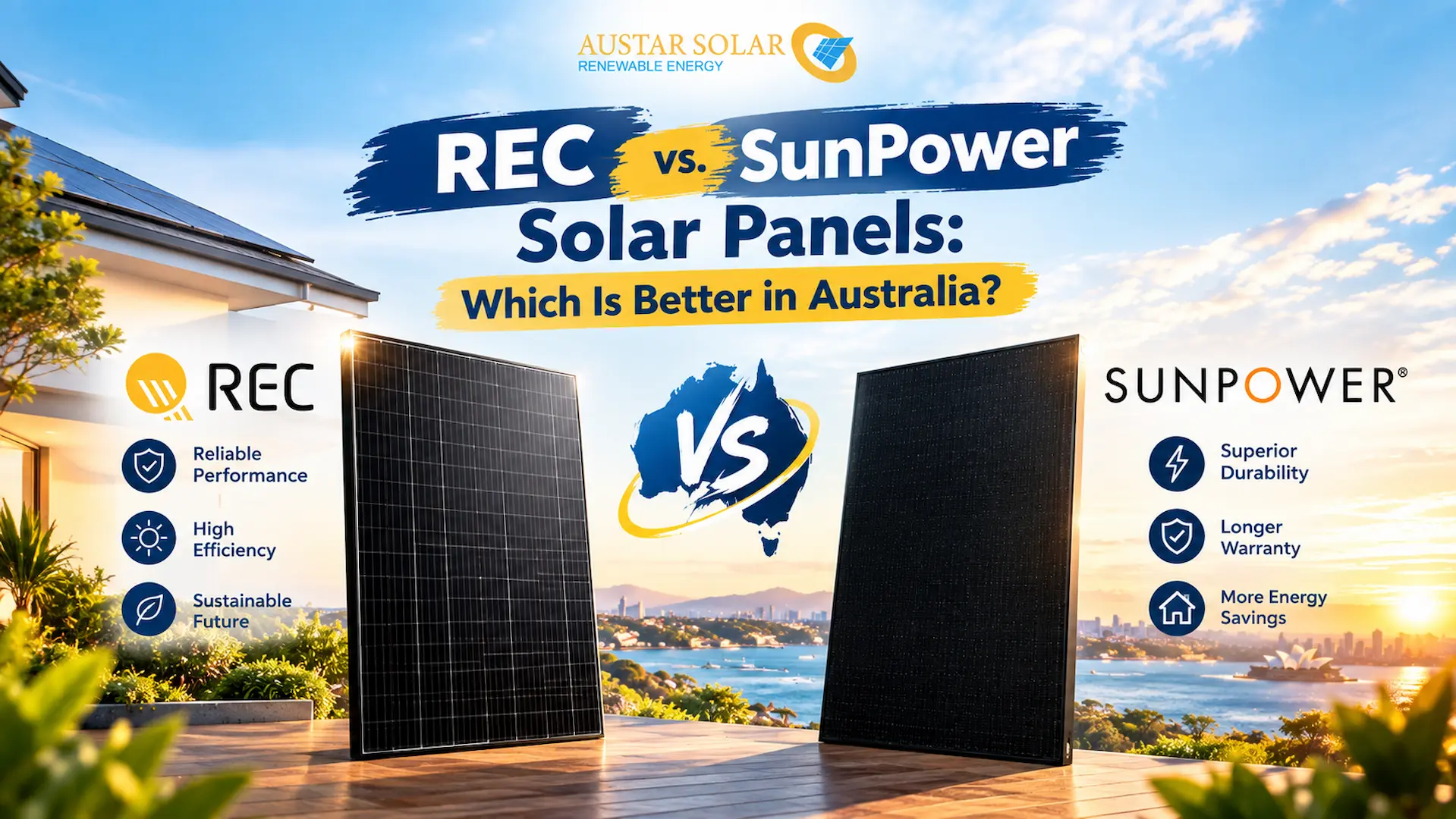
- SunPower (P-Series): This brand of panel is known for its high efficiency. 450 watts of power, 22% efficiency, and costs about $220 per panel. Sustainable electricity production is ensured for a long time.
- REC (Karra): This 410-watt panel offers 21% efficiency. It costs about $280 per panel. It is recognized in the market as a premium solar panel and is reliable in energy production.
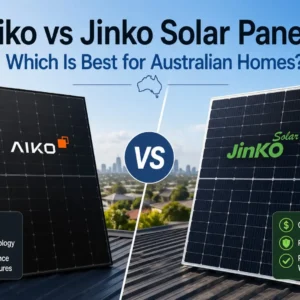
- Jinko (N-Type): This 440-watt panel offers 19% efficiency and costs around $120 per panel. It offers good power output within the budget and is easily usable for home use.
Solar Panel Brand Comparison Table
| Brand | Model | Wattage | Approx Cost ($/Panel) | Efficiency |
| SunPower | P-Series | 450W | 220 | 22% |
| REC | Karra | 410W | 280 | 21% |
| Jinko | N-Type | 440W | 120 | 19% |
When choosing a brand, it is not only the price that matters, but also the power and durability. SunPower and REC are premium solar panels that deliver long-lasting power generation, while Jinko offers good power within budget. Understanding the different solar panel brands makes it easier to choose the best panel for your home and reduces your electricity costs in the long run. Choosing the right panel ensures comfort and energy savings in your home.
Solar panel cost 2026: Residential Systems
Understanding the cost of solar panels in 2026 is very important, as it is the main basis for choosing a solar system for your home. Knowing the exact cost makes the system installation easier and also reduces your electricity costs in the long run. The cost of a 6 kW or 10 kW system for a home varies by city, and proper planning ensures that you can generate energy within your budget. Comparing costs in different cities can help you understand how effective a system will be. Understanding residential solar system costs makes it easier to make the best choice for your home and get affordable electricity.
Solar system costs by city in 2026
- Sydney, NSW: A 6 kW system costs about $5,350, and a 10 kW system costs about $8,030. The cost is determined by the city’s lighting and installation facilities.
- Melbourne, VIC: A 6 kW system costs about $5,580, and a 10 kW system costs about $8,350. Choosing the right system makes it easy to save on electricity at home.
- Brisbane, QLD: A 6 kW system costs about $5,570, and a 10 kW system costs about $8,630. The system’s effectiveness may vary depending on the city’s specific characteristics.
City-wise Solar System Cost Table
| City | 6kW System | 10kW System |
| Sydney, NSW | $5,350 | $8,030 |
| Melbourne, VIC | $5,580 | $8,350 |
| Brisbane, QLD | $5,570 | $8,630 |
Understanding the cost of a solar system by city means choosing the right panels and system for your home. Proper planning increases the power output for your home and reduces costs. Understanding the solar panel cost in 2026 ensures the sustainability and efficiency of your home system. Choosing the right system according to your home’s needs ensures long-term energy savings and increases the comfort of your home.
Premium vs Standard Solar Systems
The main difference between premium and standard solar systems is cost, efficiency, and durability. Premium panels typically cost 20–30% more, but they produce more electricity over a longer period of time. Standard systems are available at a lower cost and are still effective in meeting your home’s electricity needs. Although premium panels have a higher residential solar system cost, they increase solar ROI by using higher efficiency, longer warranties, and advanced inverters. Choosing the right system means saving energy in the home and ensuring long-term benefits.
Comparison of Premium and Standard Systems
- Cost: Premium systems cost 20–30% more than standard. This is due to higher-quality panels, warranties, and advanced inverters.
- Efficiency: Premium panels generate more energy from sunlight. Standard panels also give good power, but slightly less than premium.
- Warranty: Premium systems offer a longer warranty, which ensures the longevity of the system. Standard panel warranties are usually shorter.
- Inverter Quality: Premium systems use advanced inverters, which make power generation more stable and secure.
- ROI / Savings: Although premium systems cost more, solar ROI increases in the long run due to energy savings and higher energy production.
Understanding the difference between premium and standard systems means making the right decision for your home. Premium systems cost more but offer long-term benefits through higher energy output, longer warranties, and advanced inverters. Standard systems are less expensive but offer lower long-term savings than premium systems. Choosing the right system makes it easier to meet your home’s electricity needs and ensures energy savings for the future.
Solar Installation Process in Australia – Step by Step
Understanding the solar installation process means it is easier to install the right solar system for your home. If you follow the process correctly, the system is safe, effective, and ensures long-term energy savings. Each step is explained in simple terms, and the installation is successful. The process includes site inspection, system design, approval, installation, and commissioning.
Site inspection & system design
First, the roof and the site are inspected to determine where the solar panels can be installed. The number of panels required is calculated based on the energy needs of the house. If the system is designed correctly, it produces more energy and reduces the electricity consumption of the house.
Permits & approvals
Government permits are obtained to ensure that the installation is legal and safe. The system will operate safely by ensuring that permits are obtained in accordance with local regulations. Installation cannot begin without approval.
Installation steps
The panels are installed on the roof, and the supporting structure is fixed. Then the inverter, cables, and other equipment are connected. All connections are checked to ensure that electricity production starts properly.
Commissioning & monitoring
Once the installation is complete, the system is tested. It is checked to see if all connections are correct and the panels are producing electricity properly. Then, monitoring begins to monitor the electricity consumption and savings of the house.
The solar installation process is followed correctly, making home solar systems safe, effective, and long-lasting. Understanding each step makes installation easier and reduces home energy costs. Proper site inspection, design, approval, installation, and monitoring maximize home energy production and long-term savings.
Government rebates & incentives (STC program)
Understanding solar rebates Australia 2026 means it is easier to reduce the cost of a solar system for your home. The government offers various incentives for both small and large systems, which directly affect the cost of installation. The stc program’s step-down plan will continue until 2030, so the net cost of the system may increase slightly each year. Understanding this program makes it easier to install solar systems at the right time and ensures long-term energy savings.
Stc program step-down schedule
The stc program rebates are gradually reduced each year. The rebate received in 2026 is slightly less than in 2025. The rebate will be reduced step-by-step from 2027 to 2030. Installing the system on time provides more benefits.
Effect on net system cost
Since the rebate decreases every year, the net cost of the solar system may increase. Calculating the stc rebate will tell you what the actual cost will be. Knowing this information makes it easier to choose the right system for your home and ensures energy savings within your budget.
Understanding government incentives and solar rebates in Australia 2026 means it is possible to reduce the net cost of a solar system. Due to the step-by-step reductions of the stc program, installing at the right time will provide more benefits in the long run. Understanding the rebates and costs makes it easier to choose the right system for your home and ensures energy savings. Calculating the rebates each year is important for your home budget, and energy savings are safe in the long run.
Calculating solar savings & ROI
If you follow the solar panels guide 2026 correctly, you can easily understand how economical a solar system will be for your home. Using the solar panel savings calculator, you can find out how much your electricity bill will decrease each year, and how quickly the system will pay for itself. It is easy to calculate the cost and savings according to the electricity demand of the house, the capacity of the system, and the sunlight. This way, you can understand how much solar ROI is, and in how many years the system will pay for itself.
Step 1: Determine Electricity Usage
First, the electricity usage of the house is calculated. How many kilowatt hours of electricity are used per month is seen. Knowing this information makes it easier to determine the capacity of the system.
Step 2: Calculate System Output
According to the capacity of the solar panel, the amount of electricity produced per year is calculated. This is compared with the electricity demand of the house.
Step 3: Estimate Electricity Savings
How much the electricity bill will decrease per month or year by using the electricity produced is calculated. This way, you can know how quickly the system will pay for itself.
Step 4: Determine Payback Period & ROI
The solar ROI and payback period are calculated based on the total cost of the system and annual savings. The system usually pays for itself within 6–7 years, and after that, the electricity in the house is almost free.
Using a Solar Panel Savings Calculator
Using an online Solar Panel Savings Calculator makes it easy to find the right system capacity, cost, and annual savings for the house. This makes it easy to make the right decision according to the house budget.
If you calculate correctly by following the Solar Panels Guide 2026, it is easy to reduce the electricity cost of the house. The annual savings, payback period, and solar ROI can be determined using the Solar Panel Savings Calculator. Choosing a system according to the energy needs of the house ensures long-term electricity savings and secures energy savings for the future. By understanding each step, the solar system becomes more effective and economical.
Commercial Solar Panel Costs & Payback Periods
Understanding commercial solar system cost means that the cost and savings of solar systems in large businesses or institutions can be easily determined. Accurate costing makes large system installations safe, efficient, and profitable in the long run. Using Price per watt, large systems can be compared, and costs can be understood across cities. This information helps businesses make informed decisions and ensure energy savings.
Commercial System Size & Average Cost
- 50kW System: The cost of a 50kW system varies by city. Adelaide is approximately $49,660, Sydney $44,580, Melbourne $43,950, and Brisbane $48,330. Prices may vary depending on the city’s lighting and installation facilities.
- 100kW System: A 100kW system costs Adelaide $83,850, Sydney $80,250, Melbourne $77,140, and Brisbane $85,970. Although larger systems cost more, the energy production and savings are greater in the long run.
Commercial Solar Cost Table
| Size | Adelaide | Sydney | Melbourne | Brisbane |
| 50kW | 49,660 | 44,580 | 43,950 | 48,330 |
| 100kW | 83,850 | 80,250 | 77,140 | 85,970 |
Understanding commercial solar system costs and price per watt can help large businesses choose the right system. Understanding the cost by city makes installation easier, and larger systems ensure long-term energy savings. Proper planning reduces business costs and increases energy production. Understanding the cost and payback period of each system means energy savings are safe in the long run.
Factors Influencing Solar Panel Costs in Australia
The cost of solar panels depends on many important factors. Each factor affects the cost and savings of a home or business system. Understanding these factors correctly means it is easier to budget and plan the right energy for a home solar system. The price increase or decrease is always due to these four reasons, and knowing them can help ensure the installation at the right time.
Wholesale Equipment Costs
The original cost (wholesale) of solar panels and inverters depends on the prices of suppliers. Travel costs from different countries of the world and production capacity can increase or decrease the price.
AUD/USD Rate
The exchange rate between the Australian dollar and the US dollar affects the cost of solar panels. If the dollar value is high, the price decreases, and if it is low, the price increases.
STC Rebates
Government rebates or STC programs help reduce the net cost of the system. If the rebate is low, the cost increases slightly, and if it is high, the savings are greater.
Competition & Quality Issues
Competition in the market and the quality of the panels also affect the price. If many sellers want to sell at a low price, the quality may be low, and the price of good quality panels is high.
Understanding the price of solar panels in Australia means choosing the right system for your home. Wholesale costs, AUD/USD rate, STC rebates, and market competition all determine the cost. Understanding these factors makes home installation easier and ensures energy savings in the long run. Understanding each step means it is possible to install a solar system at the right time and reduce costs.
Future Trends in Solar Panel Prices
Following the Solar Panels Guide 2026, you can understand what the price of solar panels will be in the future and how affordable the investment in the system will be. Solar panel cost trends are gradually coming down, but large-format panels and high-efficiency technology may increase prices slightly. In the future, solar panel designs will improve, efficiency will increase, and power generation will be higher. Knowing this information makes it easier to install the system at the right time and ensures energy savings in the long run.
Slow Decline in Prices
Solar panel prices are slowly declining, as production costs and technology are improving. However, a sudden big price reduction cannot be expected; it will change gradually.
Larger Format Panels
In the future, larger format panels will be used, which produce more power at once. Larger panels make installation easier and take up less space, but the price may be slightly higher.
Efficiency Improvements
New technology and improved cell designs increase the efficiency of the panels. This will require fewer panels for the same power and will produce more electricity in the long run.
Impact on Future Solar Prices
Future solar prices may increase slightly due to improved technology and larger panels, but the trend of gradually decreasing prices will continue. Installing at the right time ensures savings for the home.
Following the Solar Panels Guide 2026 will help you understand future prices and technology trends. Solar panel cost trends are gradually decreasing, but larger formats and improved efficiency may slightly increase prices. Installing the system at the right time ensures long-term electricity savings and energy production. Understanding each step means a solar system for your home or business is more effective and affordable.
Choosing the Right Installer in Australia
Choosing the right solar installer means ensuring a safe, effective, and long-lasting solar system for your home. Solar installer comparison allows you to see the prices, services, and product quality of different providers. Choosing trusted solar providers makes the installation safer and reduces future problems. Taking time in this process makes it easier to choose the right offer, good quality panels, and advanced inverters.
Tips to Get Quotes
You should get quotes from multiple installers. By comparing quotes, you can see which package is within your budget and right for your home.
Compare Products & Services
Panels, inverters, and warranties need to be compared well. Not only price, but quality and support are also important.
Check Installer Credentials
You should check whether the installer is government-approved and certified. Approved installers ensure safe installation.
Read Reviews & Testimonials
Reading reviews and testimonials from other customers can help you understand the quality of the installer’s work. Good reviews mean reliable service.
Checking solar installer comparison and trusted solar providers makes it easier to choose the right system for your home. Comparing quotes, checking panels and services, checking installer approvals, and reading reviews ensures that each step of the installation will be safe, effective, and long-lasting. Choosing the right installer means ensuring long-term energy savings for your home and securing energy for the future.
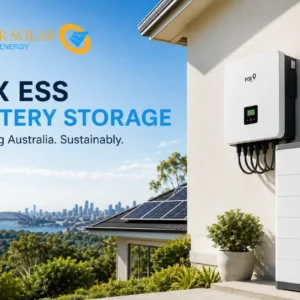
Solar Batteries & Storage Options
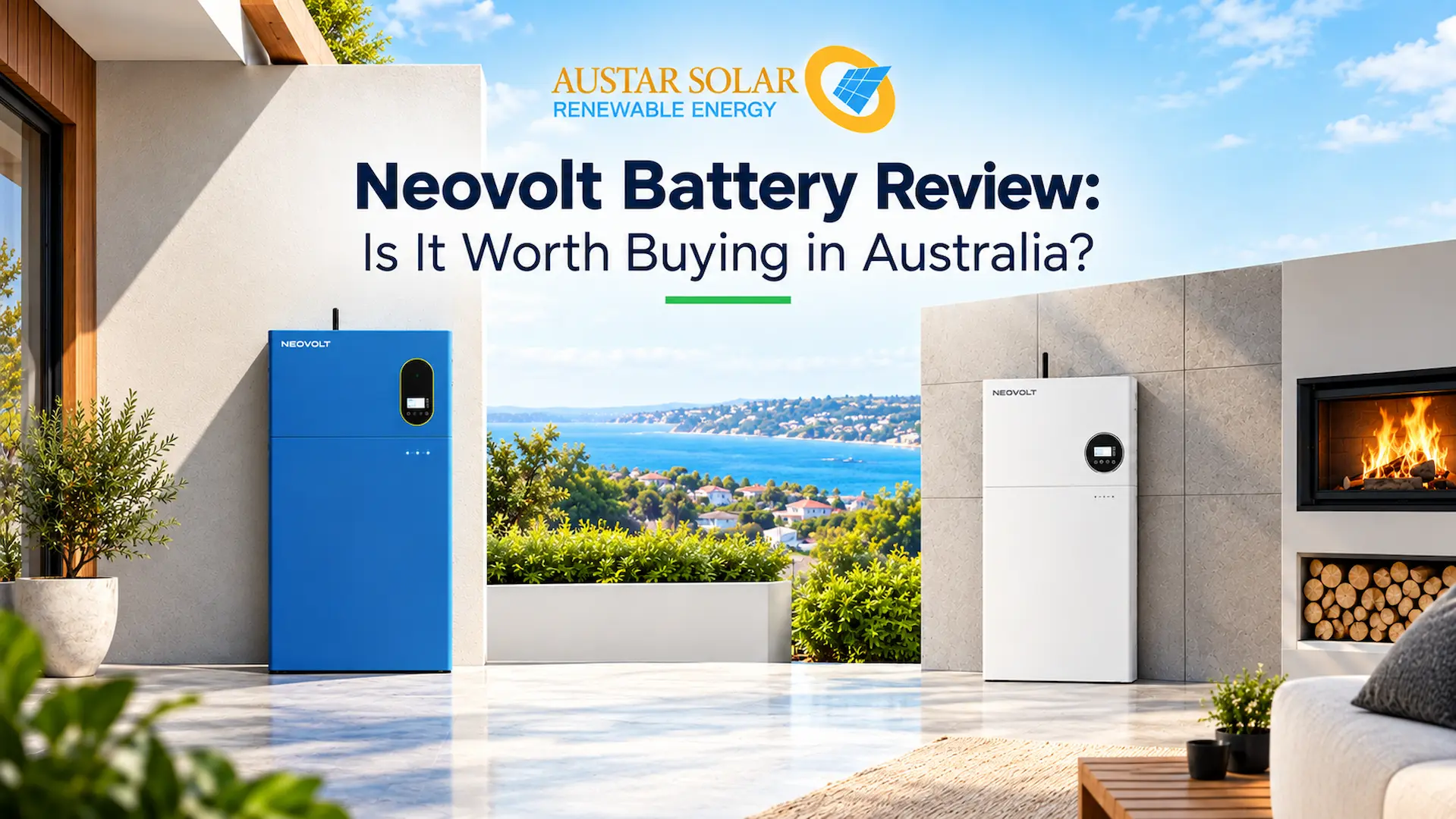
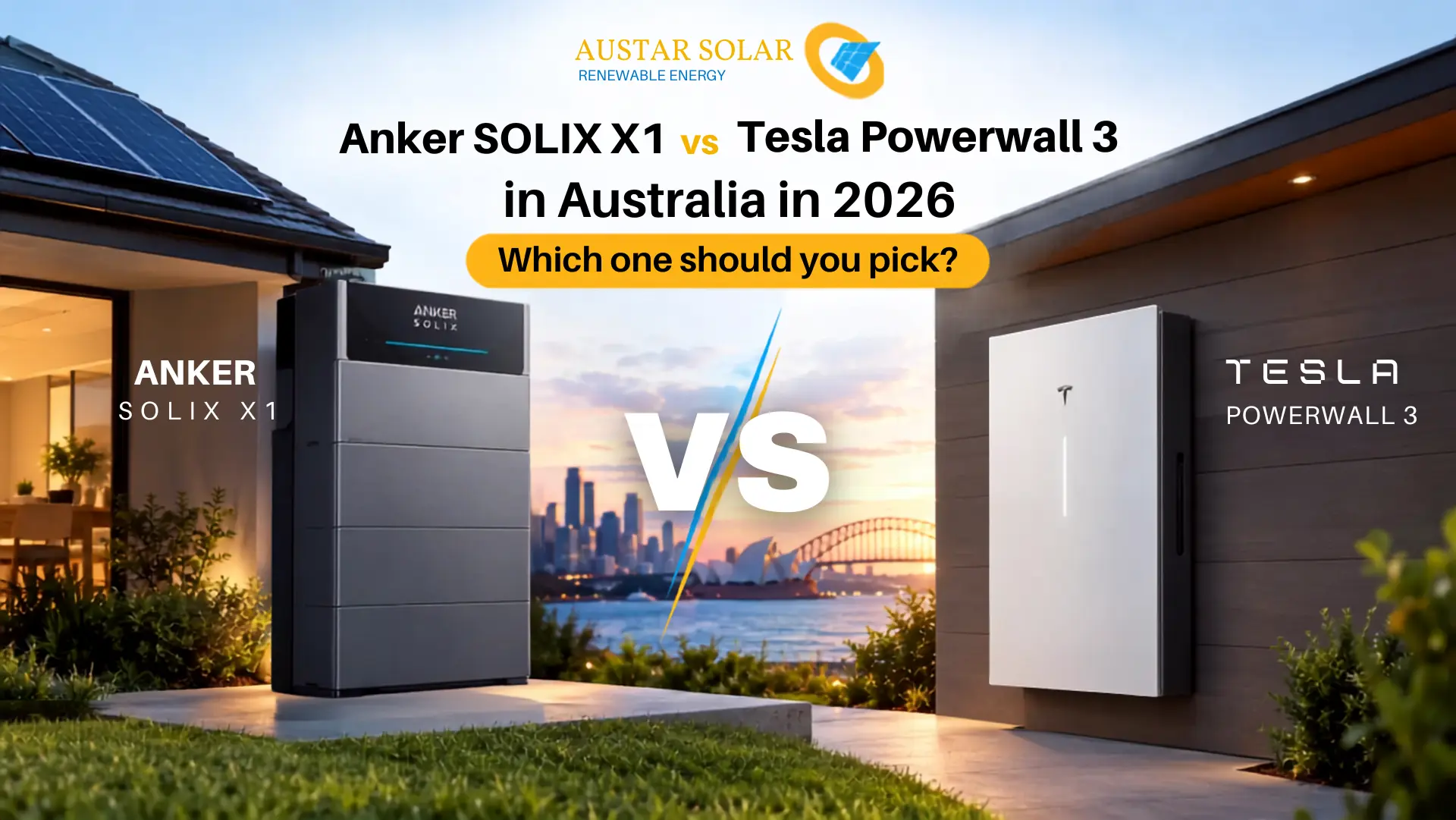
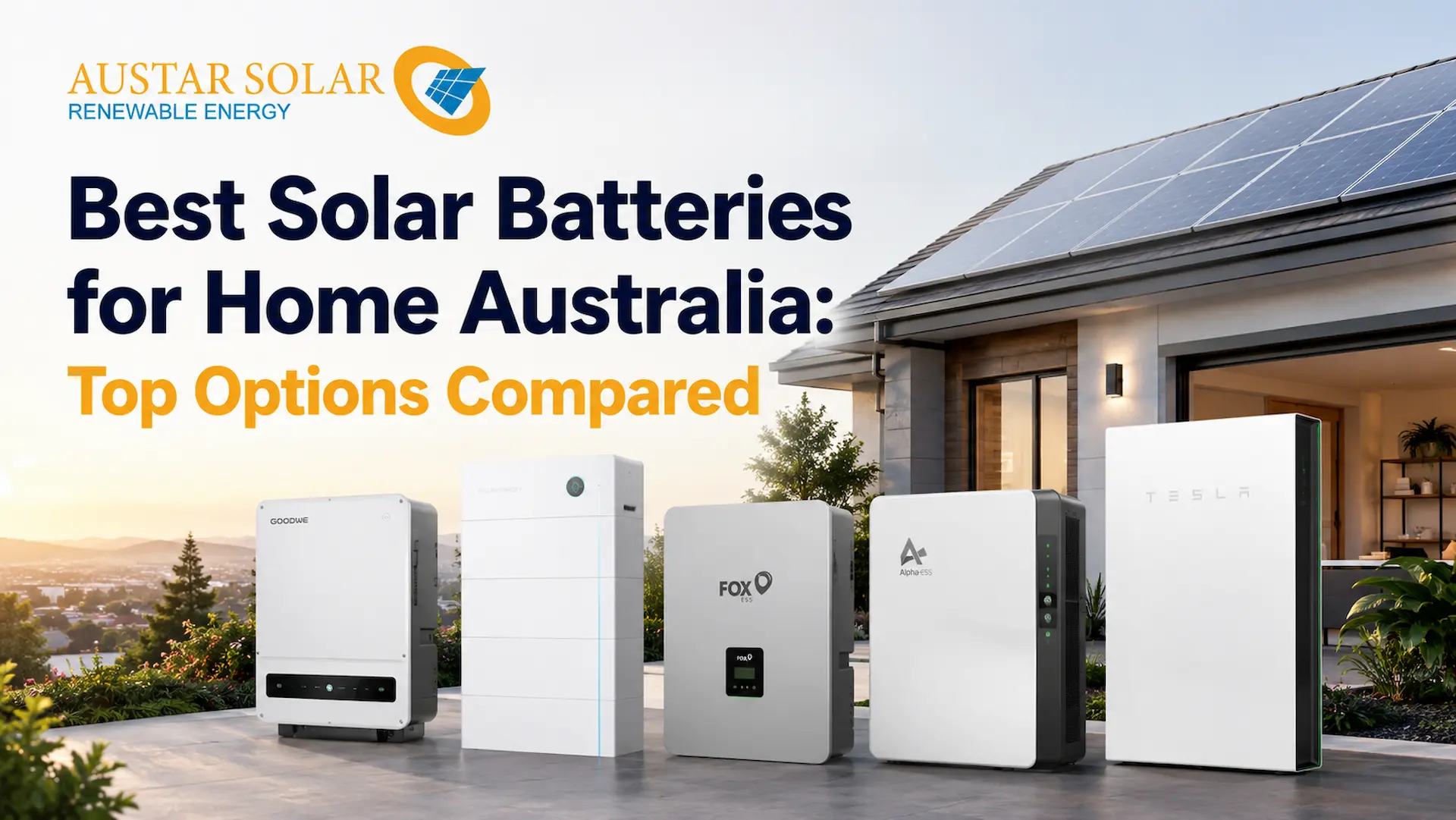
Using solar batteries allows you to store the electricity generated at home and use it at night or on cloudy days. According to the solar battery guide, there are different types of batteries available, which can be chosen according to the electricity needs of your home. Using an energy storage system makes the solar system more efficient and ensures long-term energy savings. It is important to understand the cost, capacity, and return on investment (ROI) of the battery.
Types of Solar Batteries
- Lithium-ion: Lightweight, long-lasting, and fast charging. Suitable for high-energy production and savings at home.
- Lead-acid: Cheap, but large volume and short lifespan. Used when small systems or budgets are limited.
- Flow Batteries: Large capacity and long usable life, but relatively high price.
Battery Costs & ROI
Battery costs can range from $3,000–$15,000 depending on capacity and type. Using batteries increases the ROI of a solar system, as the generated electricity is used to the maximum extent and the net electricity cost is reduced.
Choosing the Perfect Energy Storage System
Batteries should be selected according to the electricity demand of the house, the capacity of the solar panel, and the budget. Choosing the right battery ensures energy savings in the long run and a stable electricity supply to the house.
Understanding the solar battery guide and energy storage system means that it is possible to make the solar system of the house more effective and economical. Choosing the right battery ensures electricity at night and on cloudy days. Understanding the type, cost, and capacity of the battery can increase the ROI in the long run. Understanding each step means that the energy savings of the house and a safe electricity supply are ensured.
Maintenance tips for long-lasting solar panels
Solar panel cleaning and regular maintenance are very important to maintain the performance of solar panels in the long term. Inspecting and cleaning the panels according to the maintenance schedule ensures maximum electricity production. Small care and regular inspections extend the life of the panels and reduce the energy costs of the home. Proper maintenance means that the home solar system is safe, effective, and profitable in the long run.
Regular cleaning
The panels should be kept free of dust, leaves, and dirt. Clean panels absorb more sunlight and increase electricity production.
Check for damage
The panels need to be checked regularly for cracks, lines, or any other damage. Repairing damaged panels on time reduces the chances of major problems.
Follow a maintenance schedule
Regular maintenance is very important. Inspecting the panels every month or three months maintains their performance, and the system works well in the long run.
Monitor system performance
Using a monitoring system, you can tell whether a panel is producing electricity properly. Identifying problems on time ensures maximum efficiency.
Regular solar panel cleaning and maintenance will ensure maximum efficiency of the solar panel. Testing and taking care of the maintenance schedule increases the lifespan of the panels and reduces the electricity consumption of the house. Following each step means that the solar system of the house is safe, energy efficient, and profitable in the long run. Even small care can ensure big savings.
FAQs: Solar Panels Guide in Australia 2026
How much does a 6.6kW system cost?
A 6.6 kW solar system in Australia in 2026 typically costs $5,000–$6,000. Using premium panels and a good inverter can increase the cost by 20–30%. Choosing the right panels and system ensures long-term electricity savings.
What is the $/W installed?
The average $/W installation cost for a home solar system in 2026 is $0.88–$0.95. This is the total installation cost per watt of electricity produced. This makes it easy to compare home solar costs.
Premium vs Standard Panels?
Premium panels cost 20–30% more, but offer higher efficiency, stronger warranties, and better inverters. Standard panels are available at a lower price and are generally sufficient to meet a home’s electricity needs. Choosing the right panel means savings and long-term performance.
Expected Payback Period?
A typical residential system pays for itself in 6–7 years. The payback period for a premium system may be slightly longer, but after that, the home’s electricity is almost free. Proper planning ensures long-term energy savings.
Future Price Trend?
Solar panel prices are gradually decreasing. Larger format panels and improved technology may slightly increase prices, but according to the Solar Panels Guide 2026, prices will remain largely stable or gradually decline in the future. Timely installation ensures savings.
Do I need a battery with my solar system?
A battery is not mandatory, but using a battery allows you to get electricity at night or when there is no sun. Installing a battery according to the solar battery guide increases energy savings and energy independence.
How long do solar panels last?
The typical lifespan of a residential solar panel is 25–30 years. If the panel is well-maintained and cleaned, it will last longer. In the long run, solar panels ensure safe and affordable energy.
How much can I save on electricity bills?
Using a solar system can reduce the electricity bill of a house by 30–70%. Savings are determined according to the size of the system, the capacity of the panels, and the sunlight. Proper planning means ensuring energy savings in the long run and reducing costs.
Can I install solar on a small roof?
Solar systems can be installed even on small roofs. It is possible to meet the electricity needs of the house according to the size of the system and the number of panels. With proper planning and placement, even small roofs can be made effective and profitable solar installations.
Are there government rebates available?
Yes, federal rebates are available in Australia through the STC program. This reduces the cost of the system. The rebates decrease in stages at the end of the year. The rebates can be maximized by installing at the right time.
Final takeaway: Save Money and Power Your Home with Solar Panels Guide in 2026
Installing solar panels in Australia in 2026 can significantly reduce your home’s electricity costs and ensure energy independence. Choosing the right panel, choosing a premium or standard system, regular maintenance, and understanding solar panel cost in 2026 will increase savings in the long run. Using the Solar Panel Savings Calculator makes it easy to calculate savings and payback period. Get free quotes from trusted solar providers to ensure safe installation. Proper planning and an efficient system reduce home costs and protect the environment.