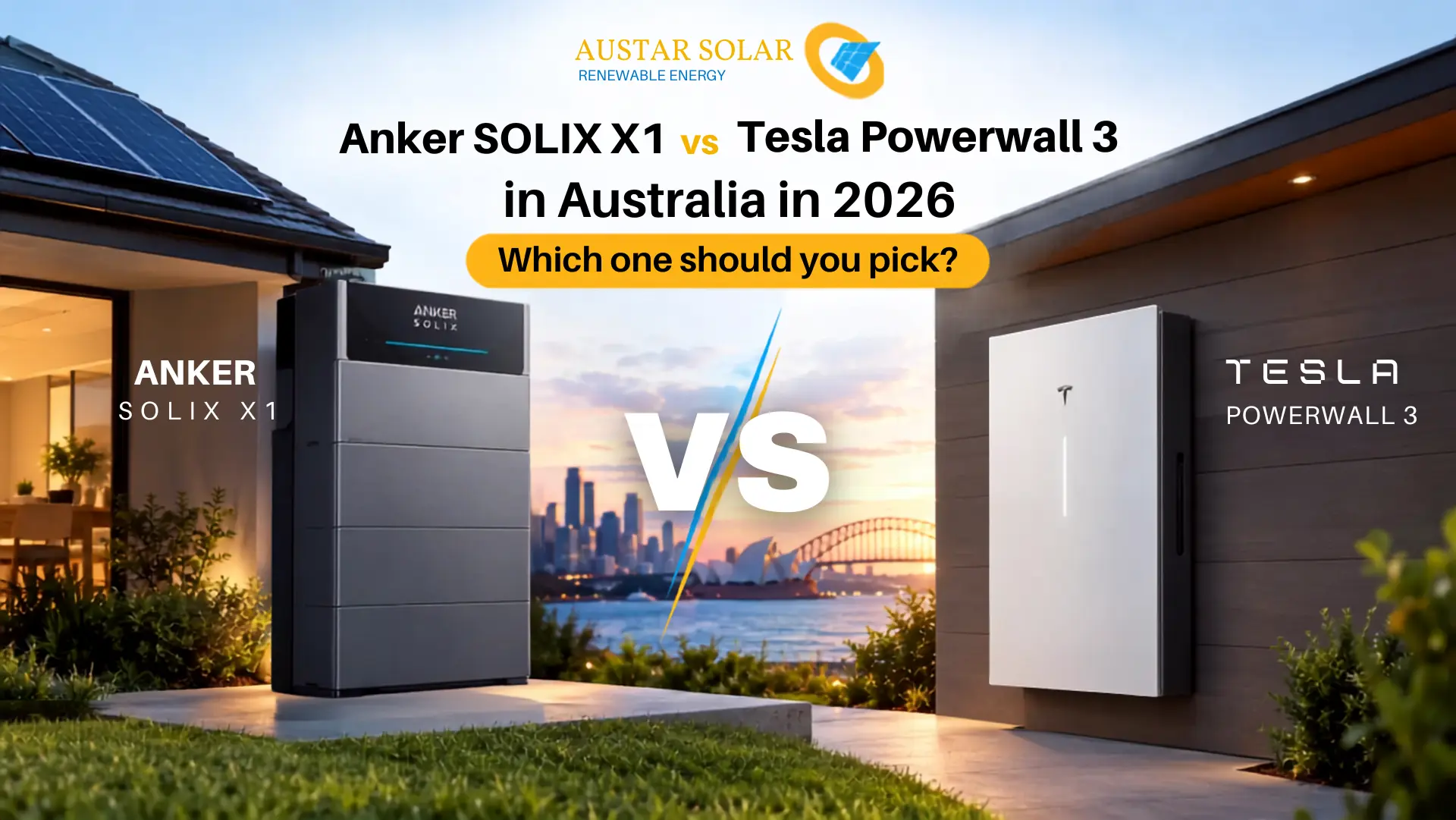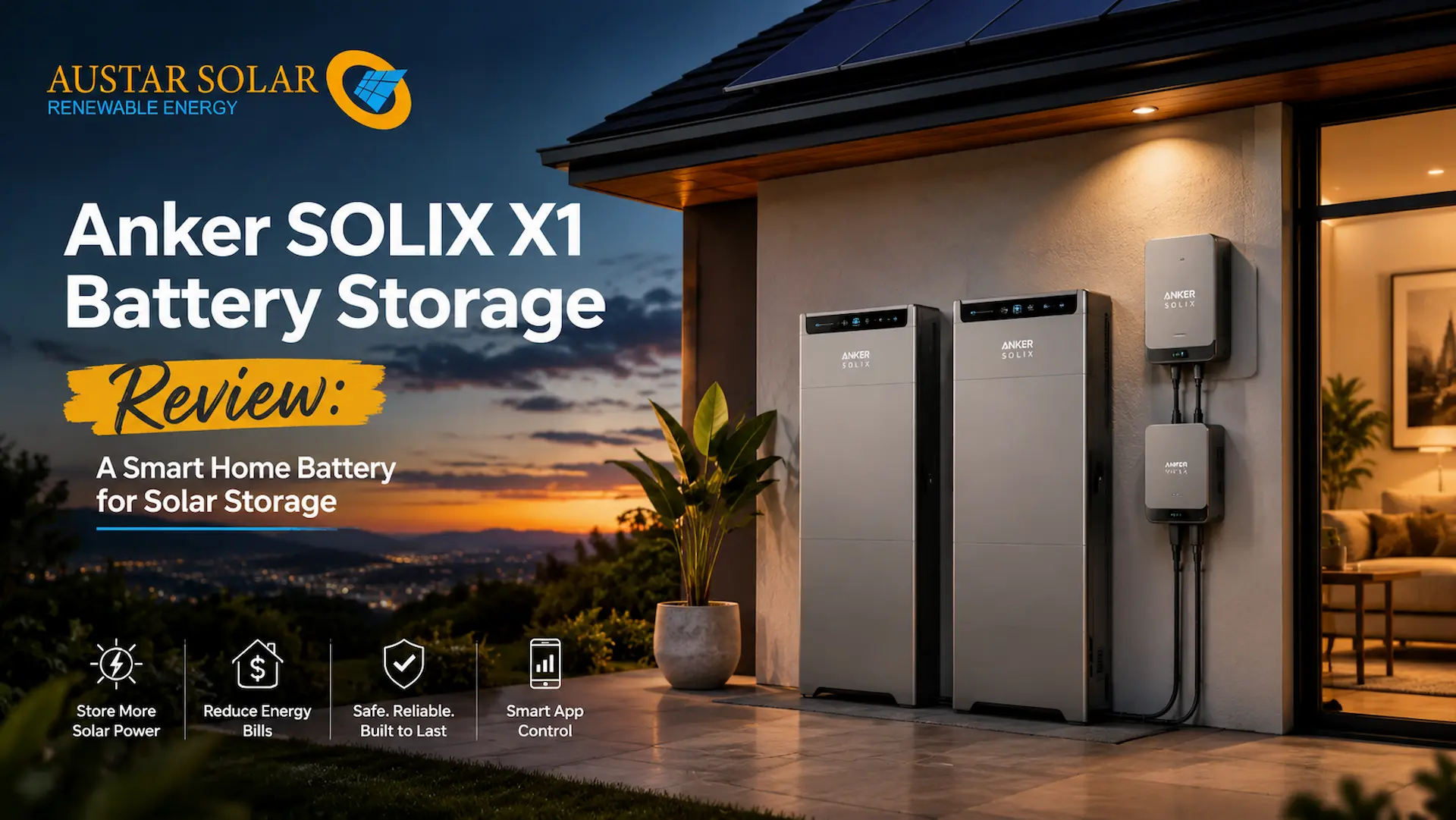
Australia’s growing use of rooftop solar has increased the demand for reliable home battery storage. The Anker SOLIX X1 is one of the newest energy storage systems designed for Australian homes, offering modular capacity, fast backup power, and strong weather protection.
Built for Australian conditions, it features LiFePO4 battery chemistry for thermal stability, IP65/IP66 weatherproofing, and C5-M anti-corrosion protection for coastal homes. Available in AC-coupled and hybrid single-phase or three-phase configurations, the X1 fits both retrofits and new solar installs.
This Anker SOLIX X1 battery review breaks down real specifications, installed pricing, and actual installer feedback from Brisbane, Sydney, and Melbourne, so you know exactly what to expect before adding the Anker SOLIX X1 to your home or business.
Overview of Anker SOLIX X1 battery storage in Australia
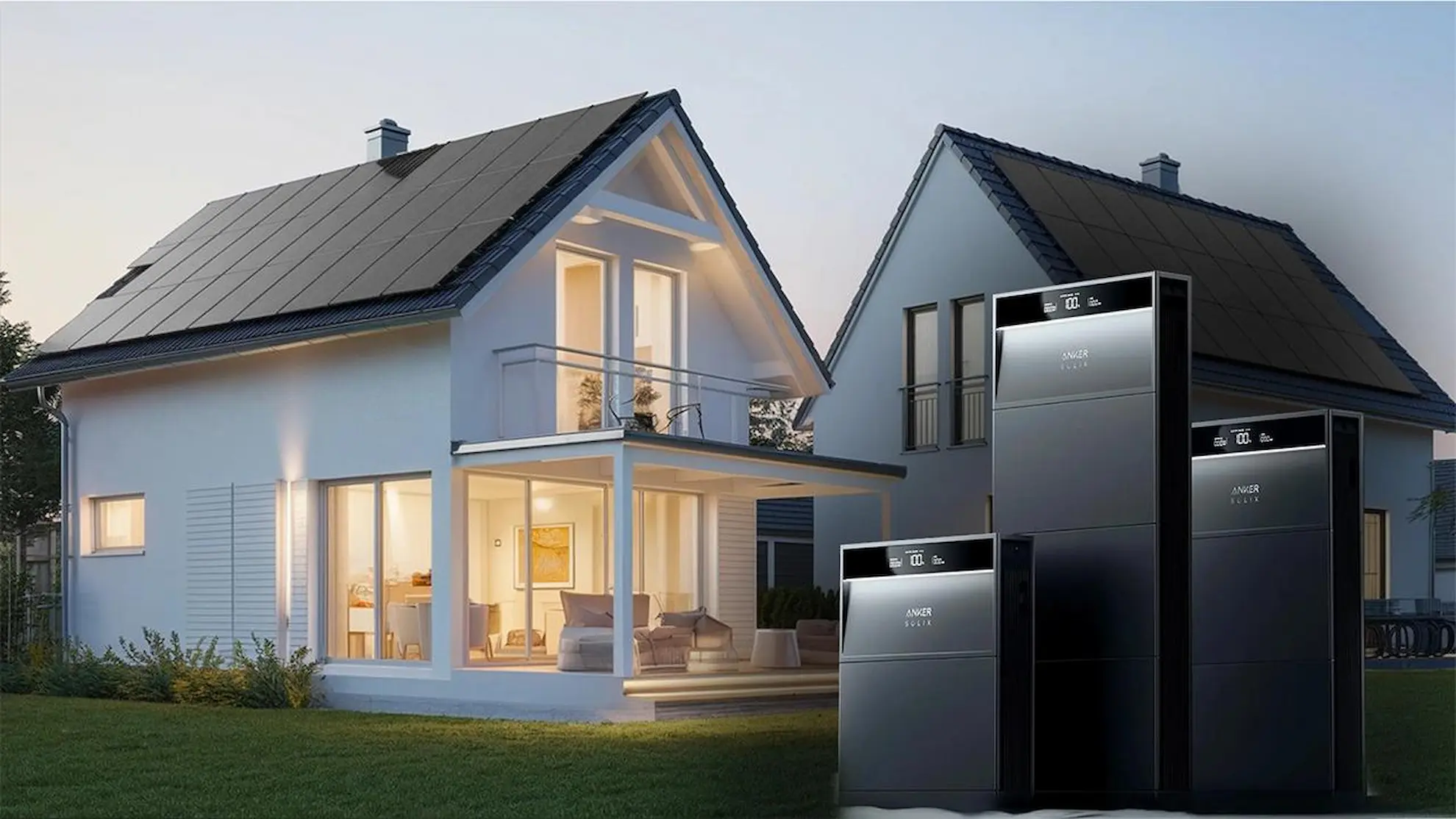
The Anker SOLIX X1 is a modular home battery system built to store solar energy for use at night or during blackouts. It uses safe lithium iron phosphate (LFP) chemistry and is engineered to handle the Australian climate. It works with both on-grid and off-grid setups and suits homeowners and small businesses wanting greater energy independence.
How It Works
You start with one unit and expand as your energy needs grow, from around 5kWh up to over 30kWh. Up to six systems can be paralleled for a total capacity of 180kWh, suiting small households, large homes, or businesses.
Pros
- Delivers up to 97% round-trip efficiency, meaning very little energy is wasted
- Modular design lets you expand storage over time
- Ultra-slim, at just 15cm deep, fitting narrow outdoor spaces
- Fast backup switchover, under 10ms during outages
- Weatherproof, rated IP65 for dust and water resistance
- Backed by 10-year warranties for peace of mind
Cons
- Upfront cost can be high before rebates
- Capacity guarantees drop over time (around 60–70% remaining after 10 years)
- Full 180kWh setups are complex and may need professional design
- Savings depend heavily on your household’s night-time usage
Specifications of Anker SOLIX X1 Battery Storage
| Specification | Details |
| Battery Chemistry | Lithium Iron Phosphate (LiFePO₄) |
| Storage Capacity | 5 kWh to 180 kWh |
| System Type | Hybrid & AC-Coupled |
| Backup Power | Yes |
| Weather Rating | IP66 |
| Operating Temperature | -20°C to 55°C |
| Monitoring | Anker Smart App |
| Phase Support | Single & Three Phase |
| Warranty | 10 Years |
| Installation | Indoor & Outdoor |
Best Use For
- Homes wanting to cut evening electricity costs
- Areas prone to blackouts needing backup power
- Coastal homes needing anti-corrosion protection
- Small businesses or clinics needing reliable backup
Key Features of the Anker SOLIX X1 battery storage
The Anker SOLIX X1 home battery is designed for Australian homes and businesses. It stores solar energy for use at night or during outages, using safe LFP battery cells and smart energy management.
Modular, Scalable Design
Starts with a single 5kWh module and expands up to 30kWh per stack. Up to six stacks can be paralleled, reaching a maximum capacity of 180kWh for large-scale needs.
High Round-Trip Efficiency
Delivers up to 97% round-trip efficiency, ensuring minimal energy loss during storage and usage.
Ultra-Slim Form Factor
At just 15cm deep, it is one of the thinnest home batteries available, designed to fit into narrow outdoor spaces common in Australian homes.
Fast Backup Switchover
Features a switchover time of under 10ms, providing near-instantaneous power during a grid outage.
Safe LFP Battery Chemistry
Uses Lithium Iron Phosphate (LiFePO4) battery cells, one of the safest and most stable lithium technologies available. This significantly reduces the risk of overheating or fire.
Built-In Protection Systems
Includes over-voltage and under-voltage protection, preventing damage from sudden electrical spikes or drops from the grid or solar input.
Weatherproof and Durable
Rated IP66 for dust and water resistance, plus C5-M anti-corrosion protection for coastal environments. Operates in extreme temperatures from -20°C to 55°C.
AC-Coupled and Hybrid Options
Designed for both AC-coupled and hybrid configurations, letting homeowners efficiently store and use solar energy.
Flexible Integration
Compatible with existing PV systems, with user-friendly controls for both on-grid and off-grid scenarios.
Long Warranty Coverage
Offers a 10-year warranty for battery modules and inverter components, with around 60-70% guaranteed remaining capacity and roughly 6,000 cycle life.
Available Anker SOLIX X1 Battery Storage Models for Australia
Anker SOLIX offers three main X1 battery storage models for Australian homes and businesses, each suited to different setups and power needs.
| Specification | AC-Coupled X1-P6K | Hybrid Single-Phase X1-H6K | Hybrid Three-Phase X1-H12K |
| Type | AC-coupled battery (retrofit) | All-in-one hybrid inverter + battery | All-in-one hybrid inverter + battery |
| Best for | Adding storage to existing solar | New single-phase installations | Large homes / small businesses |
| Module size | 5kWh per module | 5kWh per module | 5kWh per module |
| Max per system | 6 modules (36kWh) | Not specified per unit | Not specified per unit |
| Inverter capacity | Works with existing inverter | 5kW | Higher-capacity, 3-phase |
| Max parallel systems | Up to 6 | Up to 3 | Multiple (higher-tier) |
| Max total capacity | 180kWh | 90kWh | 180kWh |
| Max total power | Not specified | 18kW | 72kW |
| Weatherproofing | IP65/IP66 | Weatherproof | Weatherproof |
| Corrosion protection | C5-M coastal-grade | C5-M coastal-grade | C5-M coastal-grade |
| Temperature range | -20°C to 55°C | Not specified | Not specified |
| Efficiency | Up to 97% round-trip | Not specified | Not specified |
| Profile | Ultra-slim, 15cm deep | Standard | Standard |
| Certification | CEC-listed | CEC-listed | CEC-listed |
| Warranty | 10 years | 10 years | 10 years |
📺 Watch our full video review for a closer look at the Anker SOLIX X1’s features, installation benefits, performance, and value for Australian homeowners.
Anker SOLIX X1 Battery Performance in Australian Conditions
The Anker SOLIX X1 solar battery is built to handle Australia’s heat, coastal air, and storms while keeping solar batteries running reliably.
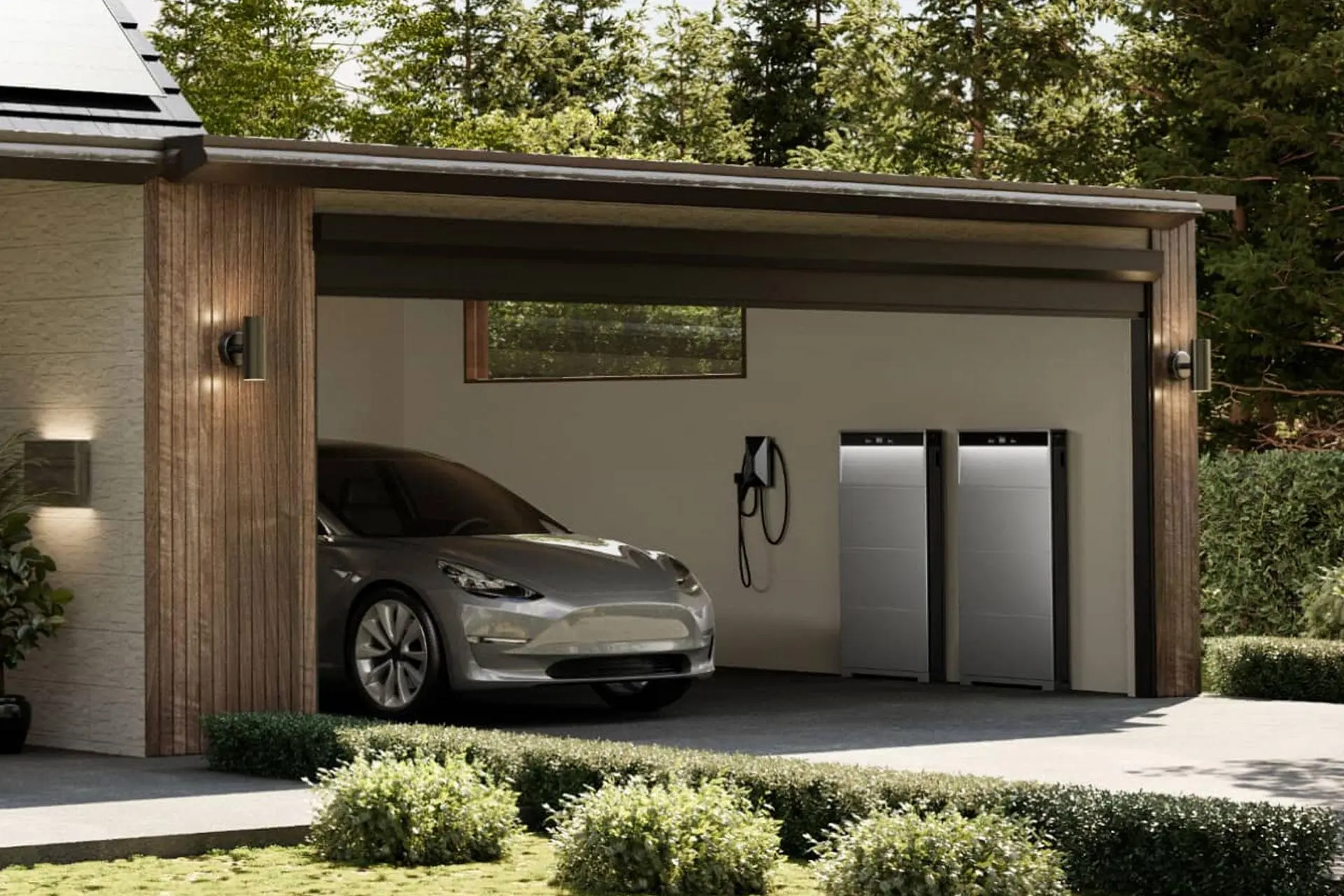
Heat and Climate Resistance
The system uses lithium iron phosphate battery technology, known for long life and thermal stability, with IP65-rated outdoor protection and advanced thermal management. It remains reliable in extreme summer heat, which is critical for Australia’s varied climates and high summer electricity demand.
Coastal and Weather Durability
The X1 is marketed for coastal conditions, featuring C5-M anti-corrosion protection, stable LFP battery technology, and auto-isolating safety features.
Real-World Installation Experience
A Brisbane-based installer, SolarThoughts, tested a 20kWh X1 stack and reported an overall efficiency of around 90.5% in real usage, slightly below expected specs. The system passed a blackout simulation with no flicker, and the transition to backup mode was smooth and fast. However, heat generation was noted during charging, which stresses components.
Customer Feedback
Queensland Solar and Lighting praised its extreme weather performance and Storm Guard mode, calling it one of the top energy storage contenders. Lenergy noted it’s newer to the Australian market but backed by Clean Energy Council approval and local support.
Anker Solix X1 Home Battery Price in Australia 2026
Prices for the Anker SOLIX X1 vary across Australian installers based on capacity, inverter type, and location. Below is a direct breakdown of 2026 pricing found across multiple Australian solar retailers.
| Battery Size | Price Range (Installed) | Notes |
| Entry system (6kW/15kWh) | From $6,999 | Lowest advertised starting price |
| 15kWh (3 modules, AC-coupled) | $8,999 – $13,500 | Price varies by installer and rebate inclusion |
| 20kWh | $13,500 – $16,500 | Suited to larger homes |
| 10–20kWh range | $9,000 – $16,500 | General market range across installers |
| Additional 15kWh module | ~$3,733 | For expanding an existing system |
| Hybrid inverter integration | +$1,000 – $2,000 | Extra cost on top of AC-coupled pricing |
Price Per kWh
Installed pricing is competitive against the Tesla Powerwall 3 (13.5kWh for $14,000–$16,500) on a per-kWh basis.
What Affects Final Price
- Battery capacity selected (10kWh to 30kWh+)
- AC-coupled vs. hybrid inverter setup
- Switchboard upgrades and inverter compatibility
- State and federal battery rebates
- Installer location (Sydney, Melbourne, Brisbane, Adelaide)
Note:*Prices are indicative and sourced from installer advertising; get a personalised quote to confirm final cost for your home.
Anker SOLIX X1 Battery Vs. Other Batteries in Australia
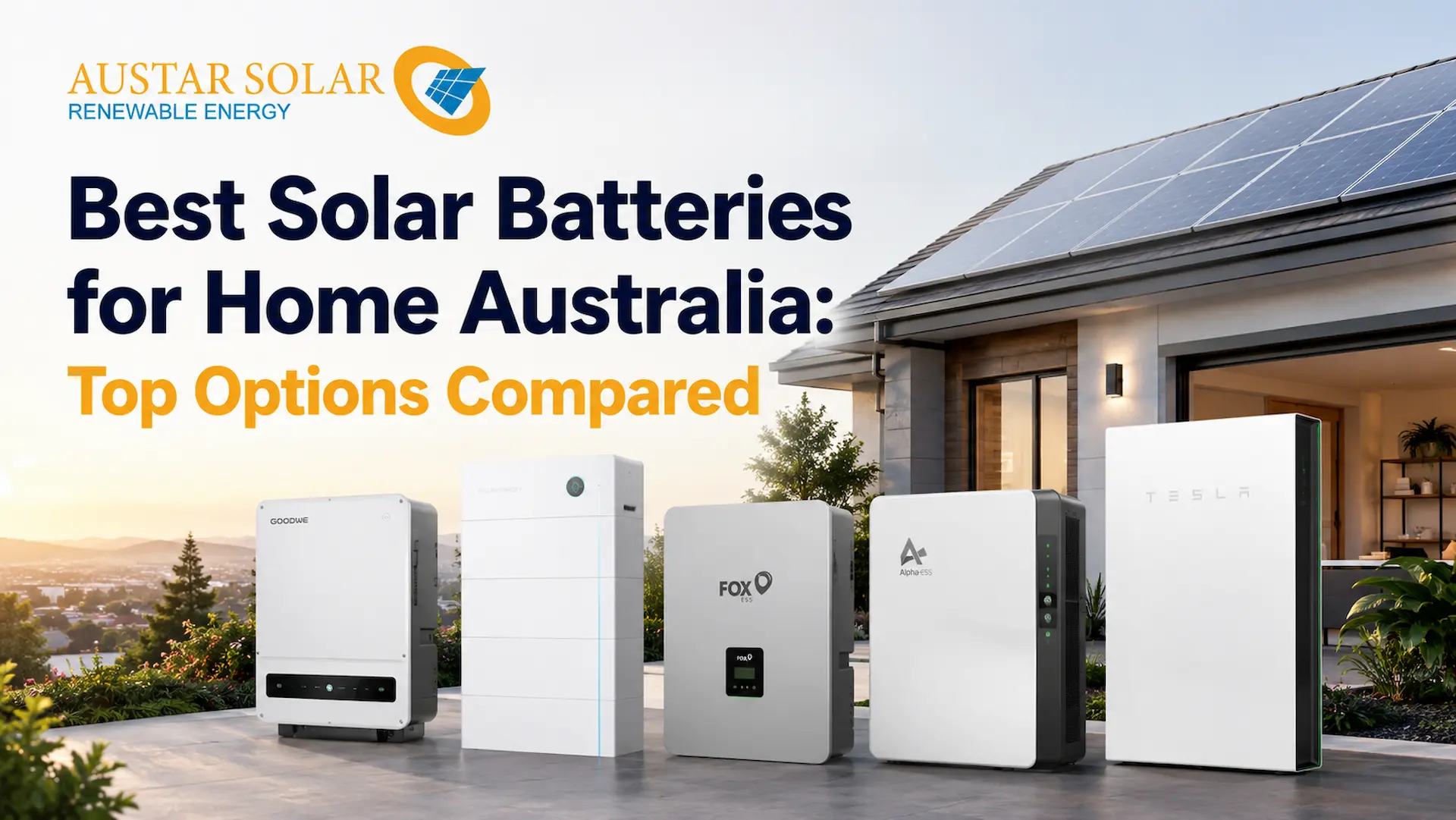
The Anker SOLIX X1 competes directly with established battery brands like Tesla Powerwall 3, Sungrow SBR, Fox ESS and Growatt in the Australian market.
| Feature | Anker SOLIX X1 | Tesla Powerwall 3 | Sungrow SBR | Growatt APX | Fox ESS EP |
|---|---|---|---|---|---|
| Battery Design | Modular, expandable in 5kWh increments | Fixed 13.5kWh unit | Modular, stackable design | Modular and expandable | Modular battery system |
| Battery Chemistry | LiFePO₄ (LFP) | LiFePO₄ (LFP) | LiFePO₄ (LFP) | LiFePO₄ (LFP) | LiFePO₄ (LFP) |
| Scalability | Highly scalable with 5kWh modules | Requires additional Powerwall units for expansion | Flexible modular expansion | Supports modular expansion and mixed battery ages | Expandable modular system |
| Backup Switchover | <10ms ultra-fast backup | Fast backup (typically around 20ms) | Fast backup | Fast backup | Fast backup |
| Design | Ultra-slim 15cm profile | Larger wall-mounted unit | Modular stacked design | Modular stack | Standard modular design |
| Weather Protection | IP66, C5-M anti-corrosion protection | Outdoor-rated enclosure | IP55-rated | IP66-rated | Natural convection cooling |
| Whole-Home Backup | Yes | Yes | Yes (with compatible inverter) | Yes | Yes |
| Virtual Power Plant (VPP) | Limited Australian support | Excellent VPP compatibility | Available through selected retailers | Limited support | Limited support |
| Australian Market Presence | New entrant | Excellent, well-established | Strong and proven | Growing presence | Well-established |
| Best For | Homeowners wanting maximum flexibility, premium design, and whole-home backup | Users seeking proven performance and broad VPP support | Existing Sungrow solar users | Budget-conscious buyers wanting flexible expansion | Coastal homes needing corrosion resistance |
Anker SOLIX X1 vs. Tesla Powerwall 3
The X1 is more modular, expanding in 5kWh steps versus Powerwall 3’s fixed 13.5kWh unit. Pricing is competitive per kWh, though Tesla has a longer Australian track record and confirmed VPP support, an area where the X1 currently falls short (see Limitations above).
Anker SOLIX X1 vs. Sungrow SBR Battery
Both offer modular expansion and LFP chemistry. Sungrow has a stronger local market history in Australia, while the X1 offers a slimmer 15cm design and faster backup switchover under 10ms.
Anker SOLIX X1 vs. Growatt Battery
Growatt APX matches the X1 on modular flexibility and supports mixing new and old battery packs. The X1 focuses more on whole-home backup and smart energy orchestration.
Anker SOLIX X1 vs. Fox ESS Battery
Fox ESS uses natural convection cooling, while the X1 relies on IP66 sealing and C5-M anti-corrosion protection, better suited to coastal Australian conditions.
Is the Anker X1 Good for Businesses and Commercial Solar?
Yes, the Anker SOLIX X1 can be scaled for small to medium-sized businesses due to its modular design and expandable capacity.
Scalability for Commercial Use
Multiple battery units can be connected to achieve higher storage capacity, up to 30kWh and beyond, making it suitable for commercial energy storage needs.
Suitable Business Types
The system suits homes, clinics, retail stores, and small businesses looking to cut daytime electricity costs and add backup protection.
Large-Scale Capacity
Up to six systems can be paralleled, reaching a maximum capacity of 180kWh, which supports larger commercial energy demands beyond typical residential use.
Backup Power for Operations
Near-instant switchover during outages protects sensitive business equipment, refrigeration, or continuous operations from sudden power loss.
Limitations to Consider
The X1 is currently limited to single-phase systems in some configurations and does not yet have confirmed Virtual Power Plant (VPP) support in Australia; worth checking directly with Anker or your installer if VPP participation is a priority.
Conclusion
The Anker SOLIX X1 is a robust home battery solution for Australian households seeking reliable solar energy storage and backup power. Its modular design lets you increase capacity as your energy needs grow. The battery performs well in hot weather, coastal environments, and during power outages. Real-world testing by an Australian installer showed efficiency close to spec (around 90.5% vs. the rated 97%), reinforcing its reliability in everyday use.
Fast backup switching, high safety standards, and smart energy management make it suitable for everyday use. Although it is a newer product in Australia, its features and performance are competitive with leading battery brands. If you need a flexible, weather-resistant, and future-ready battery system, the Anker SOLIX X1 is worth considering.
FAQs on Anker SOLIX X1 home battery
Is the Anker SOLIX X1 compatible with existing solar systems?
Yes. Compatibility depends on your inverter and solar setup. A qualified installer can confirm whether the battery will work with your existing system.
Does the battery make noise while operating?
No. The Anker SOLIX X1 operates quietly during normal use, making it suitable for installation near living areas without causing noticeable noise disturbance.
Can the Anker SOLIX X1 charge from the grid?
Yes. Depending on the installation and system settings, the battery can charge from the electricity grid as well as from connected solar panels.
Is professional installation required?
Yes. Professional installation is recommended to ensure electrical safety, correct system configuration, local compliance, and reliable long-term performance of the battery storage system.
Is the Anker SOLIX X1 worth buying in Australia?
Yes. It offers expandable storage, fast backup power, weather-resistant construction, smart monitoring, and efficient solar energy management, making it a strong option for Australian homeowners.