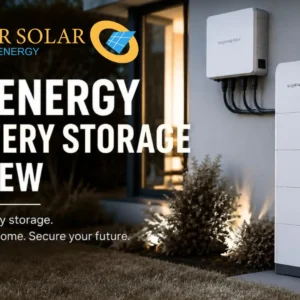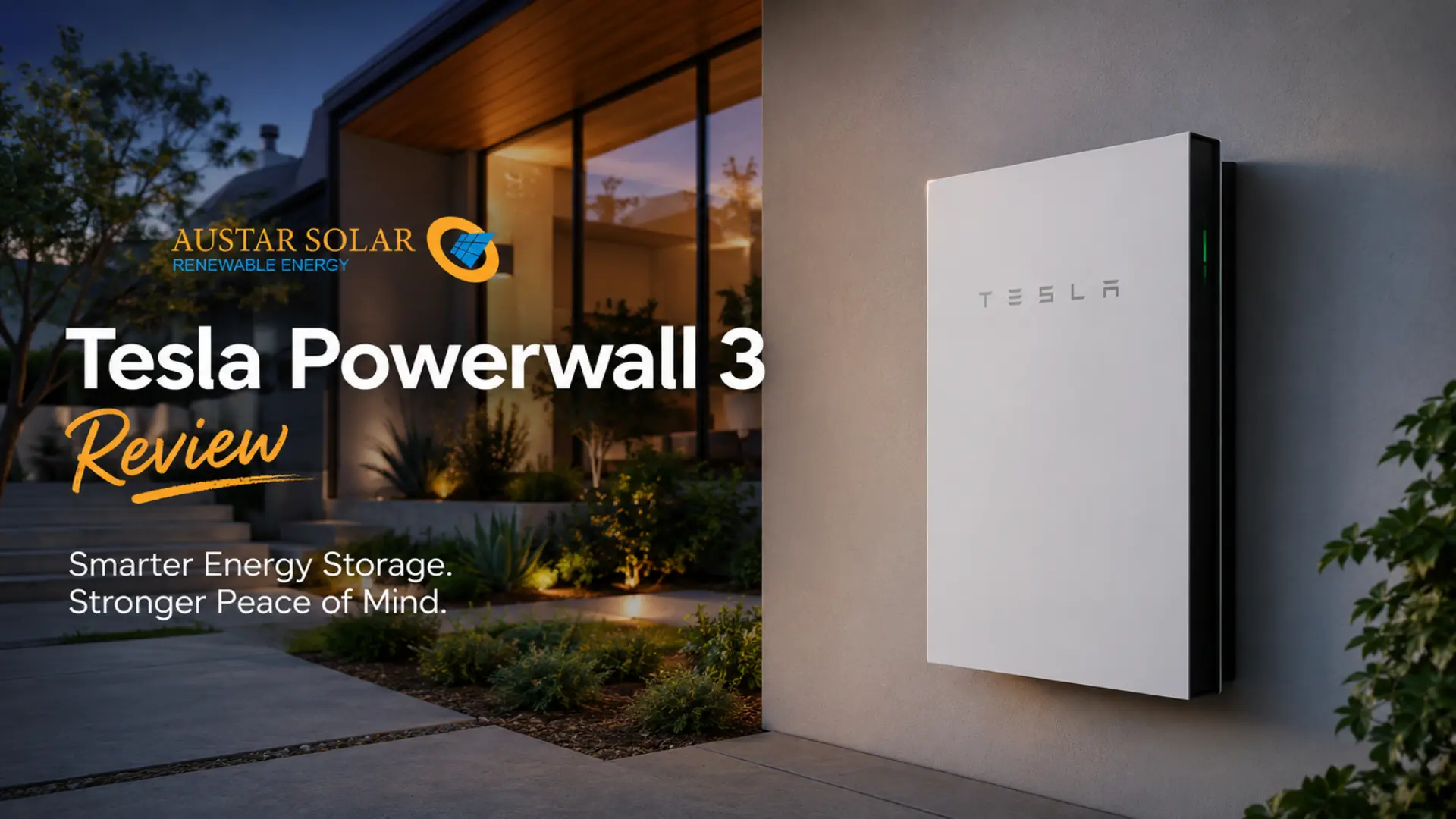
This Tesla Powerwall 3 review covers everything Australian homeowners need to know — from price and specs to real-world performance and whether it is worth buying in 2026. It is a 13.5 kWh lithium-iron-phosphate battery with an integrated solar inverter for easy installation and efficiency.
It has become popular for Australian houses equipped with rooftop solar panels has high electricity consumption during the night and use electric vehicles as part of their energy needs. Delivers up to 11.5 kW of continuous power output and can power multiple large appliances simultaneously.
The system automatically optimizes the use of energy using the Tesla app, so that it stores energy when the sun shines and consumes it when it is dark. It can also be used for whole-house backup during power outages. It’s a new, expensive, but efficient energy storage solution for many Australian homeowners in 2026.
What Is Tesla Powerwall 3?
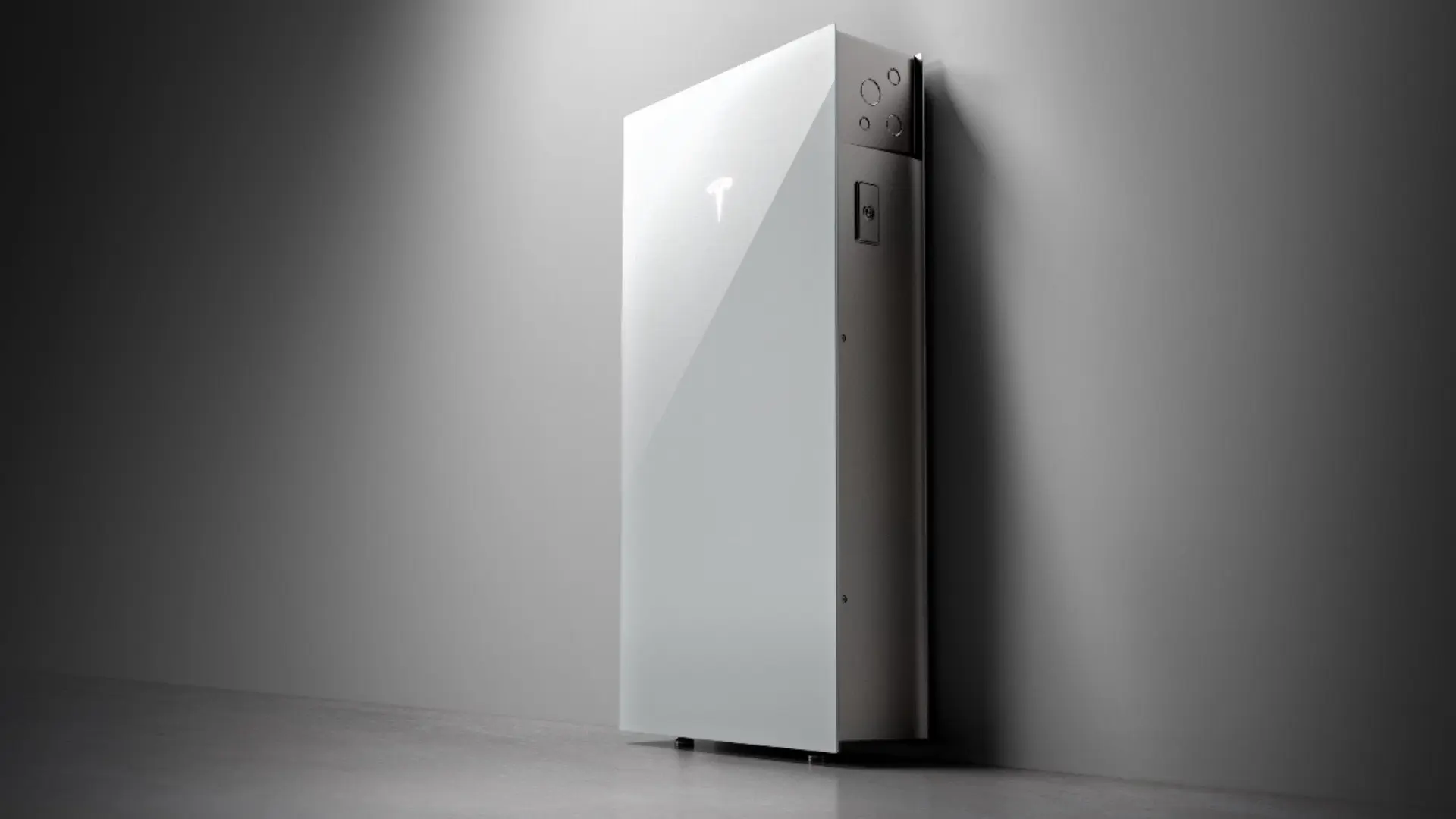
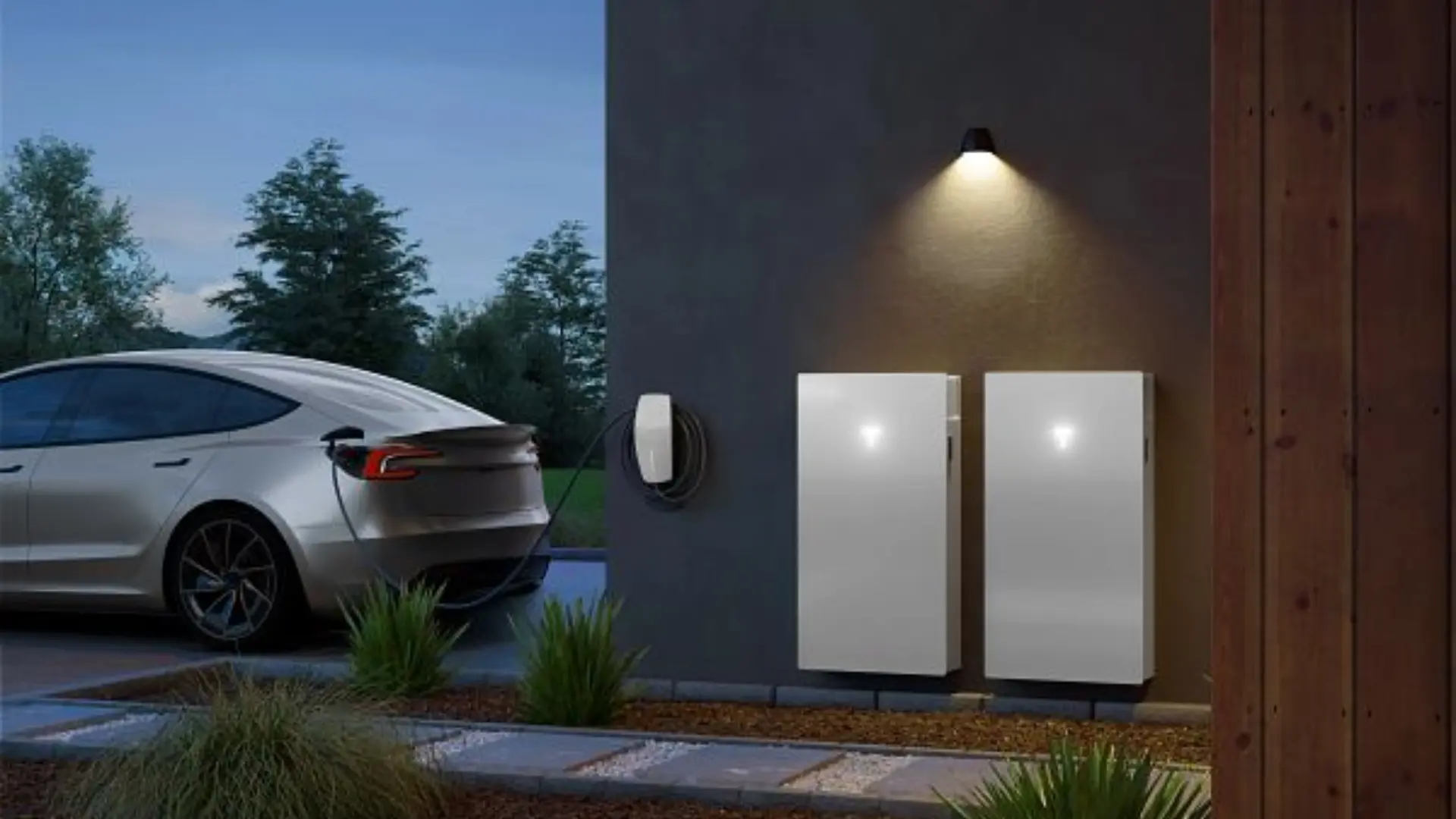
Tesla Powerwall 3 is a battery system designed to store surplus solar energy during the day and draw it down in the evening or during a power outage. It houses the battery, solar inverter,r and backup power system in a single package, making it easier to install for Australian homes. Supplies power for new solar installations and offers whole-home backup in the event of a power outage. The system is controlled via the Tesla app, enabling real-time monitoring and control of energy.
Key Specifications
- Maximum Usable Capacity: 13.5 kilowatt-hours (kWh)
- Continuous Power Output: Up to 11.5 kW
- Peak Motor Start Current: 185 A
- Built-in Integrated Solar Inverter:
- Solar Input Capacity: Up to 20 kW DC
- Lithium Iron Phosphate (LFP) Battery Chemistry.
- High Round Trip Efficiency: Up to 97.5% solar-to-grid efficiency.
- Backup Power: Whole home or partial home backup.
- Scalability: Up to 4 Powerwall units
- Installation: Indoor or outdoor
- Weather Protection: Flood-resistant up to 0.6 m and dust-resistant
- Warranty: 10 years
- Monitoring: Tesla mobile app with smart energy management
Want a more detailed datasheet: Tesla Powerwall 3 Datasheet
Pros and Cons of Tesla Powerwall 3
The Tesla Powerwall 3 is one of the most advanced home batteries available in Australia. It delivers strong performance and intelligent energy control, and it can provide backup power, but it costs more upfront.
Pros
- High power output of 11.5 kW, allowing multiple appliances to run at the same time.
- 13.5 kWh usable capacity suitable for most Australian households.
- Built-in solar inverter reduces installation complexity.
- Whole-home backup during power outages.
- LFP battery chemistry provides improved safety and durability. Tesla’s mobile app offers real-time monitoring and energy management.
- Scalable system with support for additional battery expansion.
- 10-year warranty for long-term reliability.
- Indoor and outdoor installation options.
Cons
- Higher purchase price than many competing battery systems.
- Only one battery size available.
- Expansion batteries add extra cost.
- Limited manual control compared to some competitors.
- Best performance is achieved within the Tesla ecosystem.
- Installation costs vary depending on switchboard upgrades and backup requirements.
Want to know more: Tesla Powerwall 3 Review 2026: Overkill or Essential for Australian Homes? Austar Solar
What’s New in Tesla Powerwall 3 Compared to Powerwall 2?
Tesla Powerwall 3 introduces major upgrades over Powerwall 2, including a built-in solar inverter, higher power output, increased solar input capacity, and support for expansion batteries. These improvements make it better suited for larger Australian homes, bigger solar systems, and whole-home backup during blackouts.
| Feature | Tesla Powerwall 2 | Tesla Powerwall 3 | Upgrade |
| Usable Battery Capacity | 13.5 kWh | 13.5 kWh | No change |
| Continuous Power Output | 5 kW | 10 kW | 2× higher output |
| Peak Power Output | 7 kW | Up to 11.5 kW | Better for high-demand appliances |
| Solar Inverter | External inverter required | Built-in inverter | Simpler installation |
| Maximum Solar Input | Limited by the external inverter | Up to 20 kW DC | Supports larger solar systems |
| Battery Chemistry | NMC (Nickel Manganese Cobalt) | LFP (Lithium Iron Phosphate) | Improved safety and durability |
| Whole-Home Backup | Limited in some situations | Better whole-home backup capability | Improved blackout protection |
| Expansion Batteries | Additional full Powerwalls required | Dedicated expansion batteries available | Lower expansion cost |
| Installation Complexity | More components required | All-in-one design | Faster installation |
| Flood Resistance | Basic weather protection | Flood-resistant up to 0.6 m | Better outdoor protection |
| Future Scalability | Good | Better | More flexible system growth |
Note: The Powerwall 3 is not just an incremental update — the integrated inverter alone removes the need for a separate $2,000–$4,000 solar inverter, making the all-in price comparison far closer than the unit price suggests.
Real-World Performance of Tesla Powerwall 3 in Australian Conditions
In this Tesla Powerwall 3 review, real-world Australian performance data shows the battery works best when paired with a 6.6 kW to 10 kW solar system. It has 13.5kWh of battery storage, which can power an average home for the majority of the evening and night. It charges air conditioners, induction cooktops, pool pumps,s and EV chargers simultaneously with a high output of 11.5kW.
Performance During Hot Australian Summers
Powerwall 3 has Lithium Iron Phosphate (LFP) battery chemistry, which is capable of operating in higher temperatures than previous battery technologies. It captures and stores solar energy when the sun is shining at peak hours and lessens the need for costly grid electricity.
Blackout Backup Performance
Whole-home backup is one of the biggest improvements offered. The battery can seamlessly take over during a power outage and is able to power critical appliances and heavy loads without interruption.
Evening and Overnight Energy Coverage
For people consuming approximately 15–20 kWh a day, a single Powerwall 3 may provide a majority of the electricity for a household throughout the night, while the solar electricity produced during the day is used first.
Customer Feedback
Positive Feedback
- Many users in Australia report the use of less electricity from the grid.
- The Tesla app is well-received by customers due to its simplicity and automation capabilities.
- Residential customers say they have no trouble with backup power during storms and power outages.
Common Complaints
- Some people don’t like the number of manual control settings that Tesla provides.
- Some owners mentioned software or communication problems with several battery installations.
- Some consumers still have the anxiety of paying a premium price up front.
Tesla Powerwall 3 Price Australia (2026)
The pricing of Tesla Powerwall 3 in Australia depends on the hardware options, installation complexity, and government incentives.
The estimated cost of a standalone Tesla Powerwall 3 (13.5 kWh) battery system is AUD $13,500 to $17,000 in 2026.
This pricing usually includes the basic battery pack, a required backup gateway device hardware, and typical electrical wiring work. Out-of-pocket costs may be reduced, however,r if you qualify for the federal Cheaper Home Batteries Program or Tesla’s direct rebate incentives.
Tesla Powerwall 3 Prices Breakdown
| Component / Configuration | Estimated Price Range (AUD) | Details & Inclusions |
| Powerwall 3 Battery Unit | $11,200 – $13,250 | Base hardware only; includes an integrated hybrid solar inverter. |
| Tesla Backup Gateway 2 | $1,700 – $1,950 | Mandatory hardware required for outage backup and grid isolation. |
| Standard Installation & Labor | $1,000 – $3,000 | Covers basic electrical labor, mounting, and standard compliance. |
| Total System (Gross Installed) | $13,500 – $17,000 | Total average retail price before any point-of-sale rebates. |
| Federal Battery Rebate (STCs) | – $3,400 – $4,600 | Subsidy via the Cheaper Home Batteries Program. |
| Net Out-of-Pocket Cost | $10,000 – $13,500 | Approximate price after applying standard federal incentives. |
| Expansion Pack (Additional Unit) | $10,700 – $12,000 | Cost per extra 13.5 kWh battery; scales up to 4 units per Gateway. |
Tesla Powerwall 3 vs Leading Battery Competitors
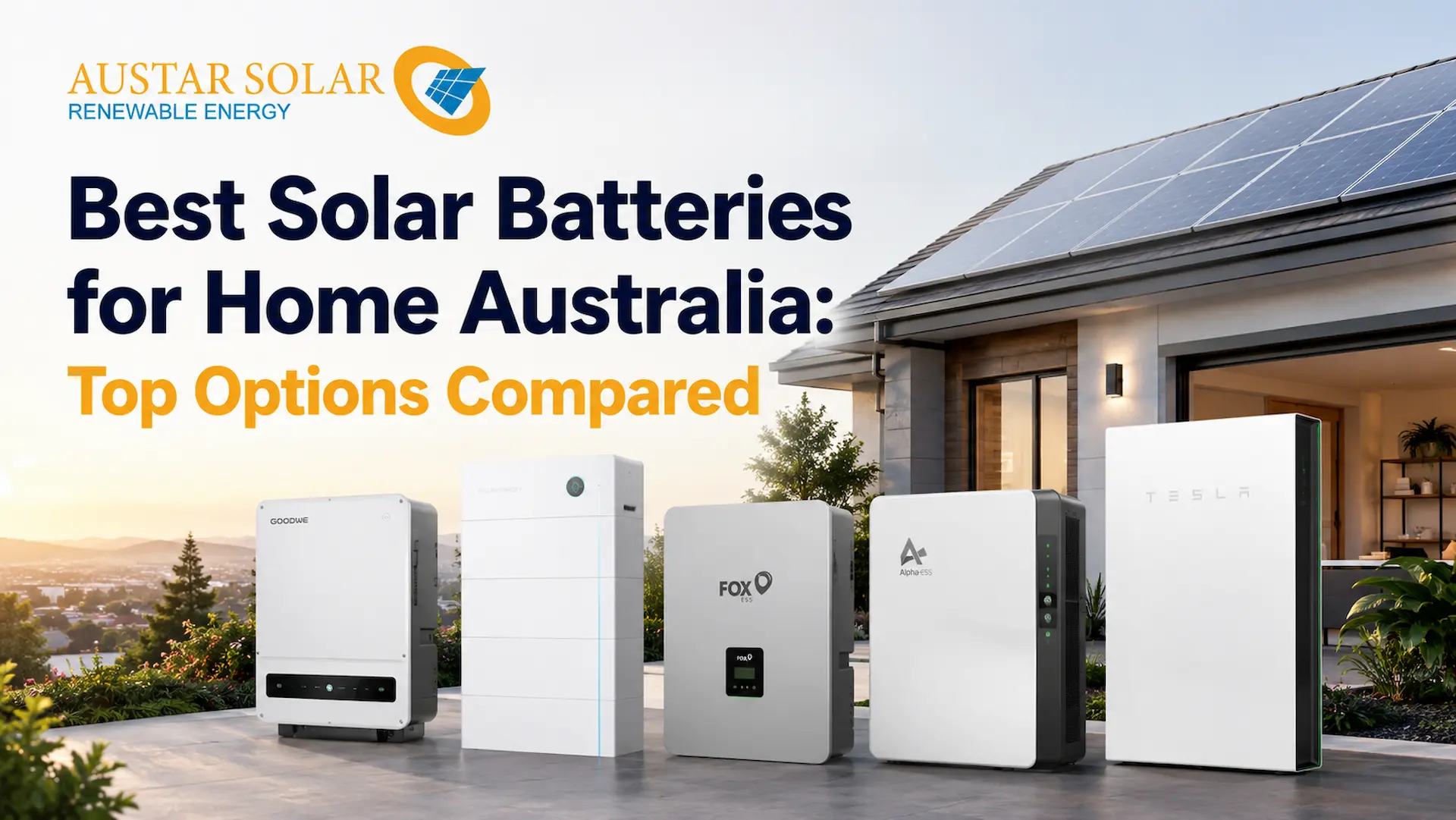
Tesla Powerwall 3 offers one of the best combinations of power output, backup capability, and smart energy management in Australia. However, competitors such as Sigenergy, AlphaESS, Sungrow, BYD, and Enphase may be better for homeowners looking for lower costs, larger storage capacity, or greater scalability.
| Feature | Tesla Powerwall 3 | Sigenergy SigenStor | AlphaESS SMILE-G3 | Sungrow SBR | BYD Battery-Box Premium HVM | Enphase IQ Battery 5P |
| Battery Capacity | 13.5 kWh | 5–48 kWh | 10.1–60.5 kWh | 9.6–25.6 kWh | 8.3–22.1 kWh | 5 kWh |
| Battery Chemistry | LFP | LFP | LFP | LFP | LFP | LFP |
| Continuous Power Output | 11.5 kW | Up to 25 kW | Up to 12 kW | Depends on inverter | Depends on inverter | 3.84 kW |
| Built-in Inverter | Yes | Yes | Hybrid option available | No | No | Microinverter integrated |
| Whole-Home Backup | Yes | Yes | Yes | Yes | Yes | Partial/Whole-home |
| Scalability | Up to 54 kWh | Up to 48 kWh+ | Up to 60.5 kWh | 100 kWh+ | 66 kWh+ | Multiple units |
| EV Charger Integration | No | Yes | No | No | No | No |
| Round-Trip Efficiency | Up to 97.5% | Up to 98% | Up to 96% | Up to 96% | Up to 96% | Up to 90% |
| Warranty | 10 Years | 10 Years | 10 Years | 10 Years | 10 Years | 15 Years |
| Smart Energy Management | Excellent | Excellent | Very Good | Very Good | Very Good | Excellent |
| Best Advantage | High power output and easy installation | EV charging and future-proof design | Large storage options | Strong value for money | Flexible modular design | Long warranty |
| Typical Installed Price (Australia) | $13,000–$16,500 | $13,000–$20,000+ | $10,000–$18,000+ | $9,000–$16,000+ | $10,000–$18,000+ | $8,000–$15,000+ |
| Best For | Premium all-in-one battery system | EV owners and smart homes | Large households | Budget-conscious buyers | Flexible battery expansion | Existing Enphase users |
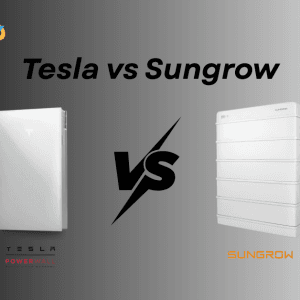
If you want to compare directly with Sungrow, visit Tesla vs Sungrow: Which Solar Battery is Better for Sydney?
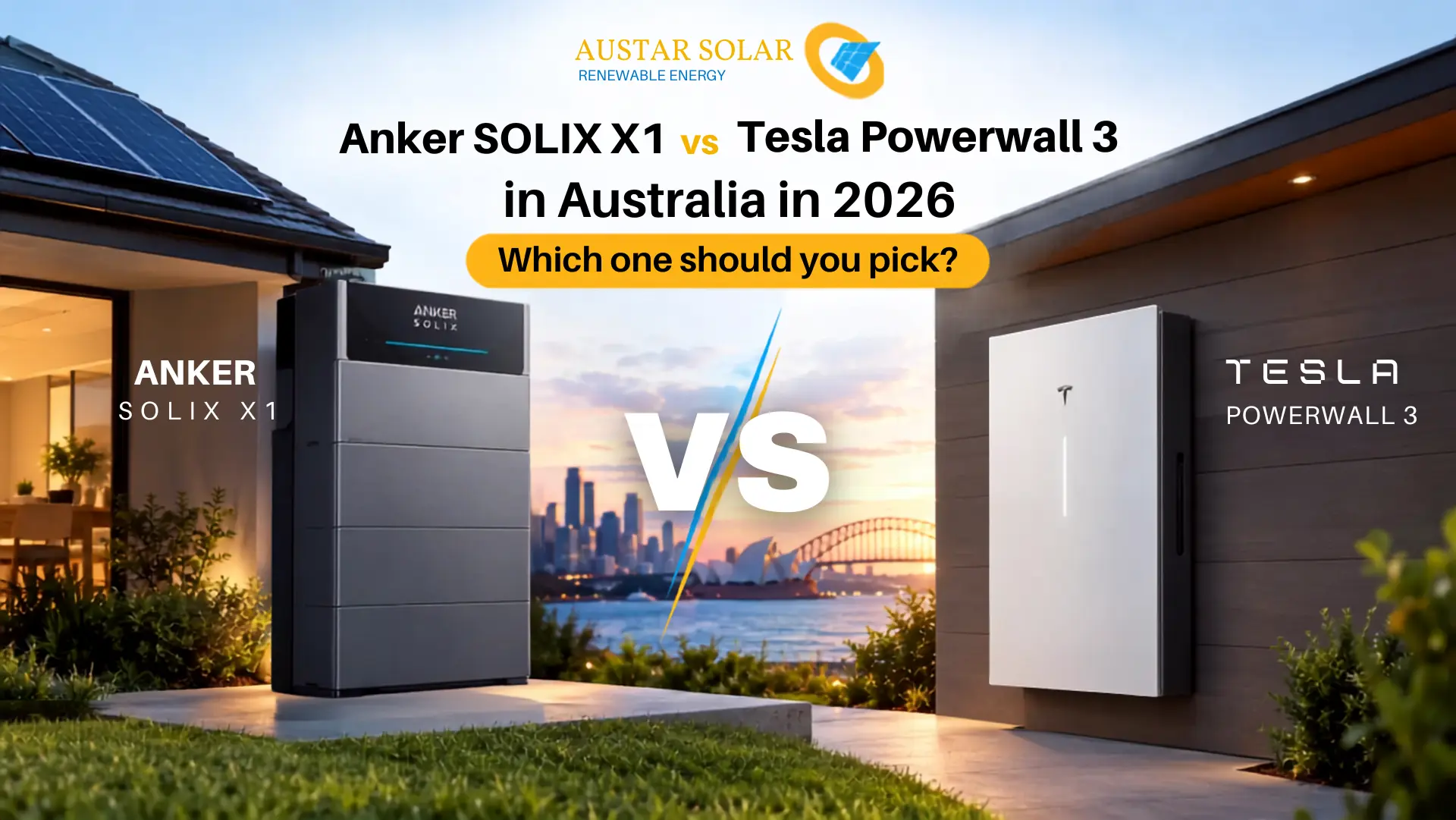
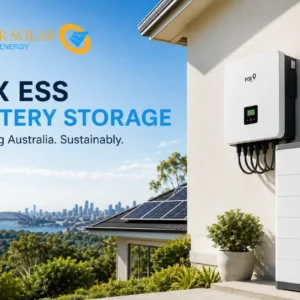
Or, want to compare directly with Anker SOLIX 1? Visit Anker SOLIX X1 vs Tesla Powerwall 3 in Australia in 2026 | Which one should you pick?
Who Should Buy Tesla Powerwall 3?
Tesla Powerwall 3 is best for Australian homeowners who want to store solar energy, reduce electricity bills, and maintain power during blackouts. Its 13.5 kWh capacity, 10 kW continuous output, and built-in inverter make it suitable for homes with high energy consumption and modern electrical loads.
Homeowners With Solar Panels
Powerwall 3 is ideal for households that already have solar panels or plan to install a new solar system.
Benefits include:
- Store excess daytime solar energy
- Use stored energy at night
- Reduce grid electricity purchases
- Improve solar self-consumption
Families With High Electricity Usage
Large households that use air conditioners, pool pumps, electric hot water systems, and kitchen appliances can benefit from the battery’s high power output.
Suitable for:
- 3–5+ bedroom homes
- High evening energy users
- Homes with multiple large appliances
EV Owners
Tesla Powerwall 3 Australia helps electric vehicle owners maximize the use of solar energy for charging and reduce charging costs from the grid.
Homes in Blackout-Prone Areas
The battery provides whole-home backup during power outages, making it a strong choice for regional and storm-affected areas.
Smart Home Users
Tesla’s app automatically manages charging, discharging, and backup settings, making energy management simple and efficient.
Who May Want Alternatives?
Powerwall 3 may not be the best option for:
- Budget-conscious homeowners
- Small homes with low electricity usage
- Buyers seeking the lowest upfront battery cost
Tesla Powerwall 3: Our Verdict for Australian Homes in 2026
To wrap up this Tesla Powerwall 3 review — it is a solid and future-ready home battery solution for Australian homes in 2026. It is a complete system that provides high power output, blackout backup, and efficient solar energy storage. The inverter included with the system simplifies installation, and the Tesla app allows users to easily and automatically monitor their energy use. Ideal for homes that rely on solar panels, have significant electricity demands, or have EV charging infrastructure.
After analysing the specs, pricing, real-world performance, and customer feedback, this Tesla Powerwall 3 review finds it to be the most capable all-in-one home battery currently available in Australia. It is best suited to households with rooftop solar, high evening energy consumption, or a need for whole-home blackout backup. The main drawback is upfront cost, which we break down in full below.
FAQs on Tesla Powerwall 3 Home Battery for Australia
How much is a Tesla Powerwall 3 in Australia?
The Tesla Powerwall 3 starts from $12,799 fully installed in NSW and ACT through Austar Solar. This includes the unit (13.5 kWh usable capacity with built-in hybrid inverter), standard installation, and commissioning. Prices vary depending on your location, switchboard condition, and whether additional electrical work is required. Contact Austar Solar for a free itemised quote.
How long does Tesla Powerwall 3 last?
The lifespan of Tesla Powerwall 3 is estimated to be 10+ years. Built with LFP battery chemistry for cycle life and durability, it is warranted for 10 years. It can survive thousands of charge/discharge cycles with good performance in real use.
Can Powerwall 3 run an entire house?
Yes, it can power an entire home, but it depends on the energy consumption. Can supply up to 10 kW of power for most appliances, such as an air conditioner, lights, a fridge, and kitchen appliances, and has a capacity of 13.5 kWh. For heavy-usage homes, multiple units may be required.
Is Powerwall 3 worth it without solar?
Though possible, not sought after. It saves power when solar is on the grid, but not when it isn’t. It is primarily used for solar energy storage and for cutting electricity costs. It has a high value when combined with the solar panels.
How many Powerwall 3 units can I install?
The typical house can be equipped with up to 4 Powerwall 3 units, for a total of 54 kWh of storage. This will suffice for large properties or sections on the grid.
Does Powerwall 3 work during blackouts?
Yes, it will operate in the event of an electrical power failure. Its automatic switchover to backup mode takes seconds, and depending on the installed system and battery size, it can power the entire house.
Is there a NSW rebate for the Tesla Powerwall 3?
Yes. Tesla Powerwall 3 installations in NSW can access two main incentive streams. The Peak Demand Reduction Scheme (PDRS) offers financial incentives for home battery systems that reduce peak grid demand — the Powerwall 3 qualifies. Additionally, when installed alongside a new solar system, federal Small-scale Technology Certificates (STCs) reduce your upfront cost by approximately $1,500–$2,500 depending on your location and system size. Austar Solar handles all rebate paperwork on your behalf.
Note: The questions below are the most common ones we receive after publishing this Tesla Powerwall 3 review.