
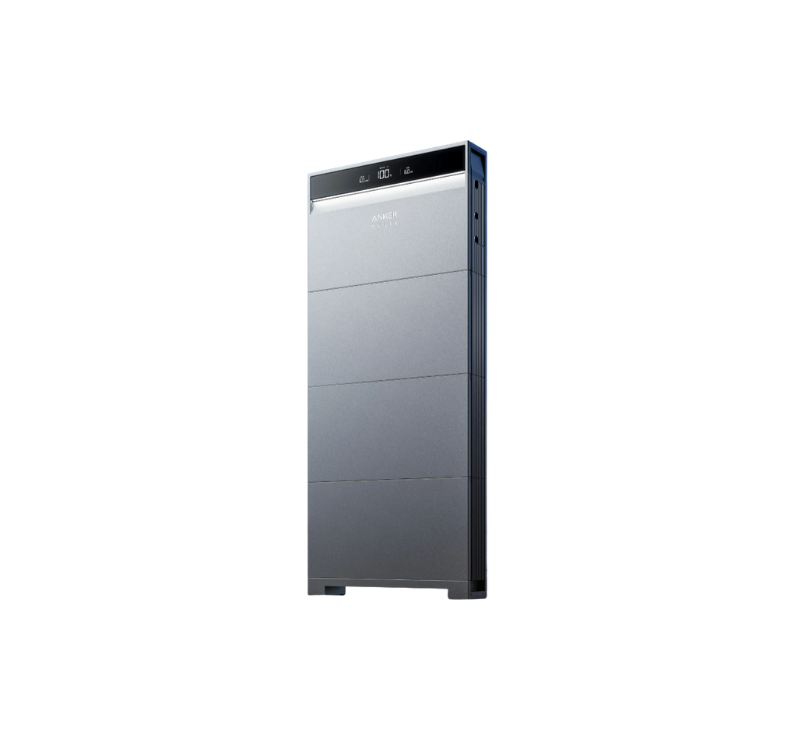
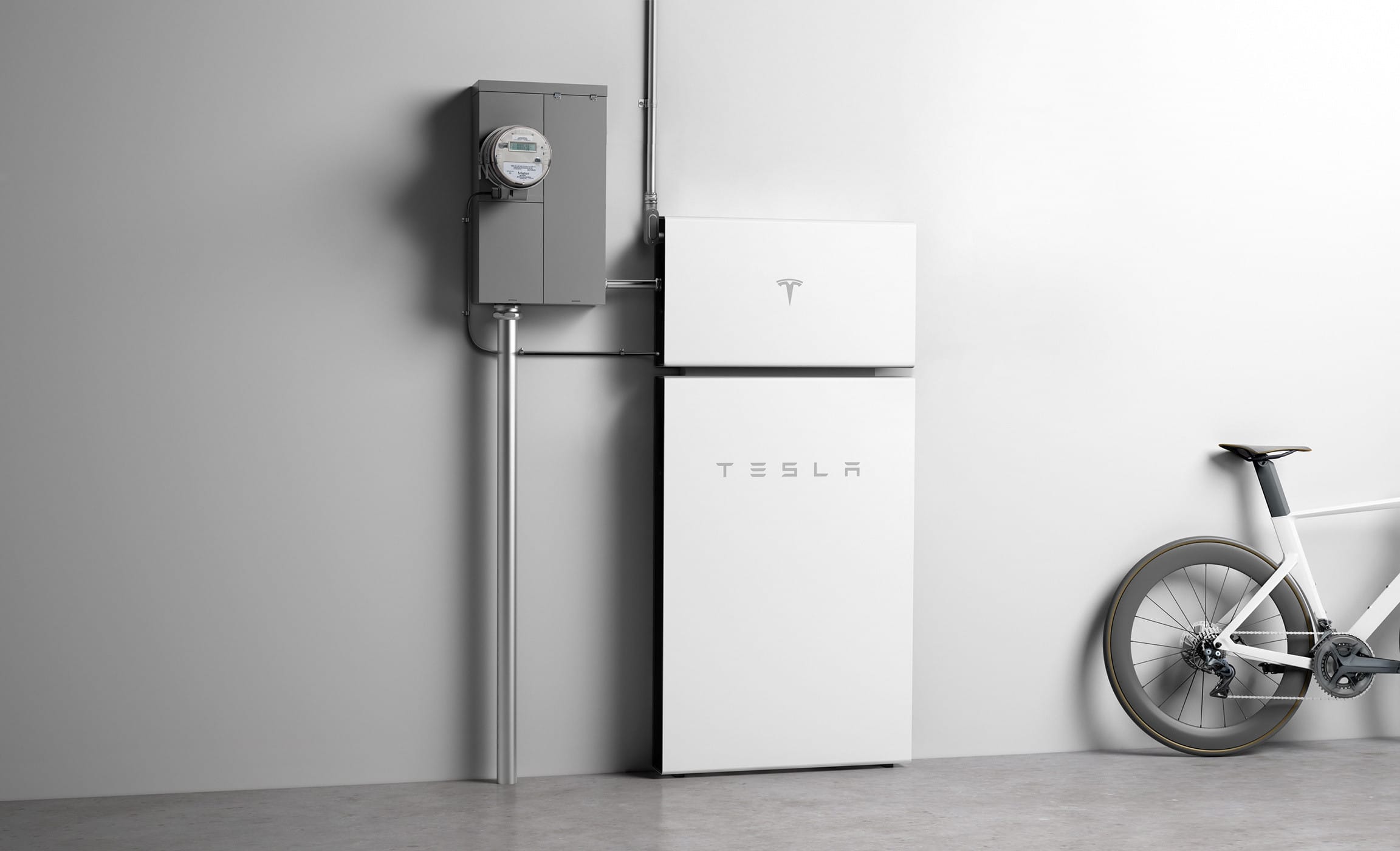

The solar inverter replacement cost in 2026 in Australia is typically $1,500 to $4,500 installed, including GST, for most homes. The final price depends on the inverter type, system size, brand, labour, and any electrical work your switchboard needs.
String inverters usually last 10 to 15 years, well short of the 25-plus years expected from solar panels, so most owners face a replacement at some point. This guide covers prices by inverter type and system size, signs of failure, repair versus replacement, hybrid upgrades, rebates, and what a good quote should include.
Read it before you accept the first quote you receive, so you can compare offers fairly on the same basis and avoid paying for work you do not need.
How Much Does a Solar Inverter Replacement Cost in Australia?
Most homes pay between $1,500 and $4,500 for a new string inverter. The total depends on the inverter type, capacity, brand, and labour. Replacing a single faulty microinverter is usually much cheaper than replacing a whole string inverter.
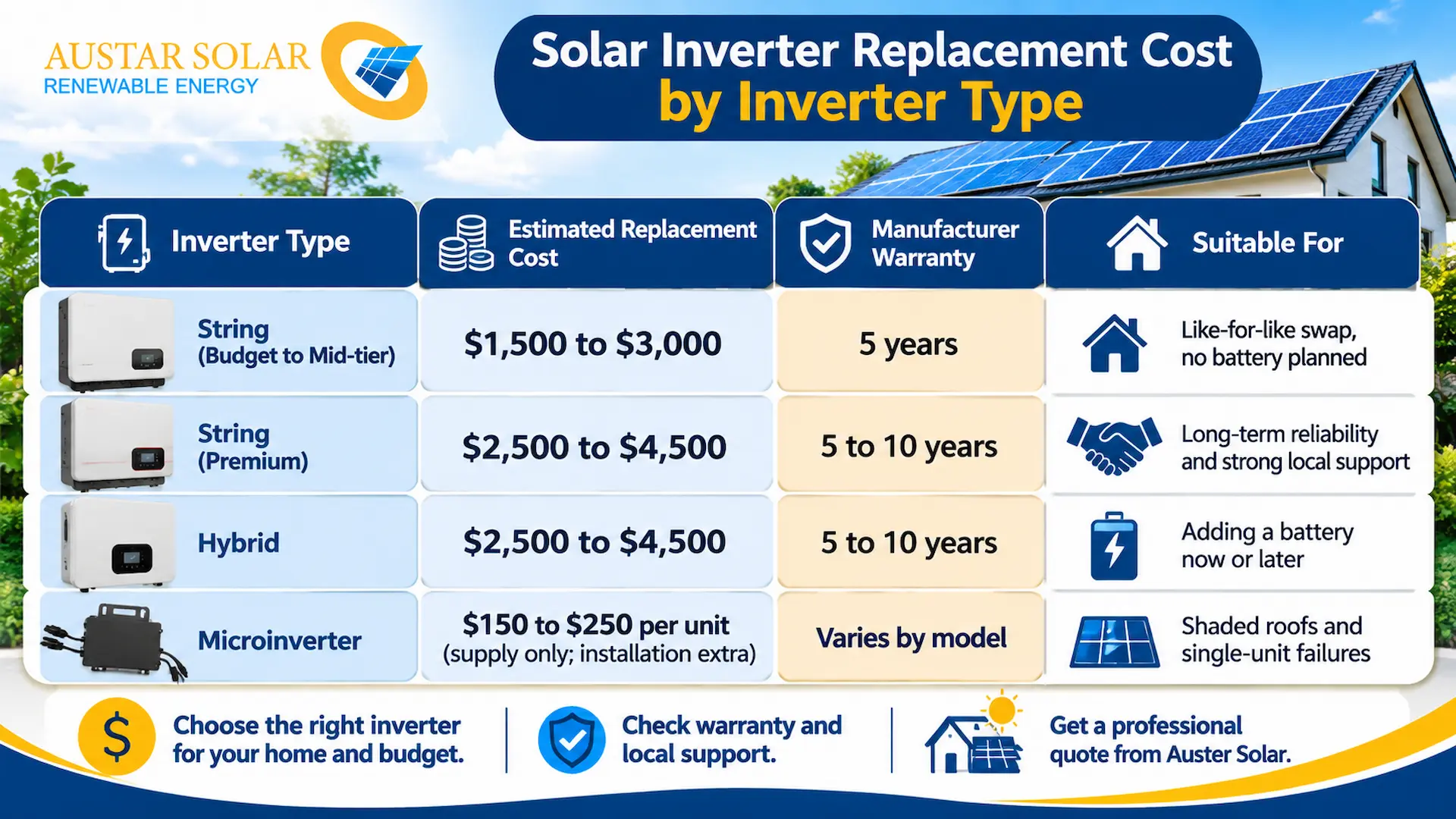
| Inverter Type | Estimated Replacement Cost | Manufacturer Warranty | Suitable For |
| String (budget to mid-tier) | $1,500 to $3,000 | 5 years | Like-for-like swap, no battery planned |
| String (premium) | $2,500 to $4,500 | 5 to 10 years | Long-term reliability and strong local support |
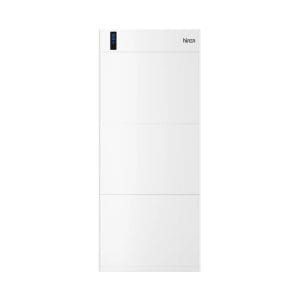
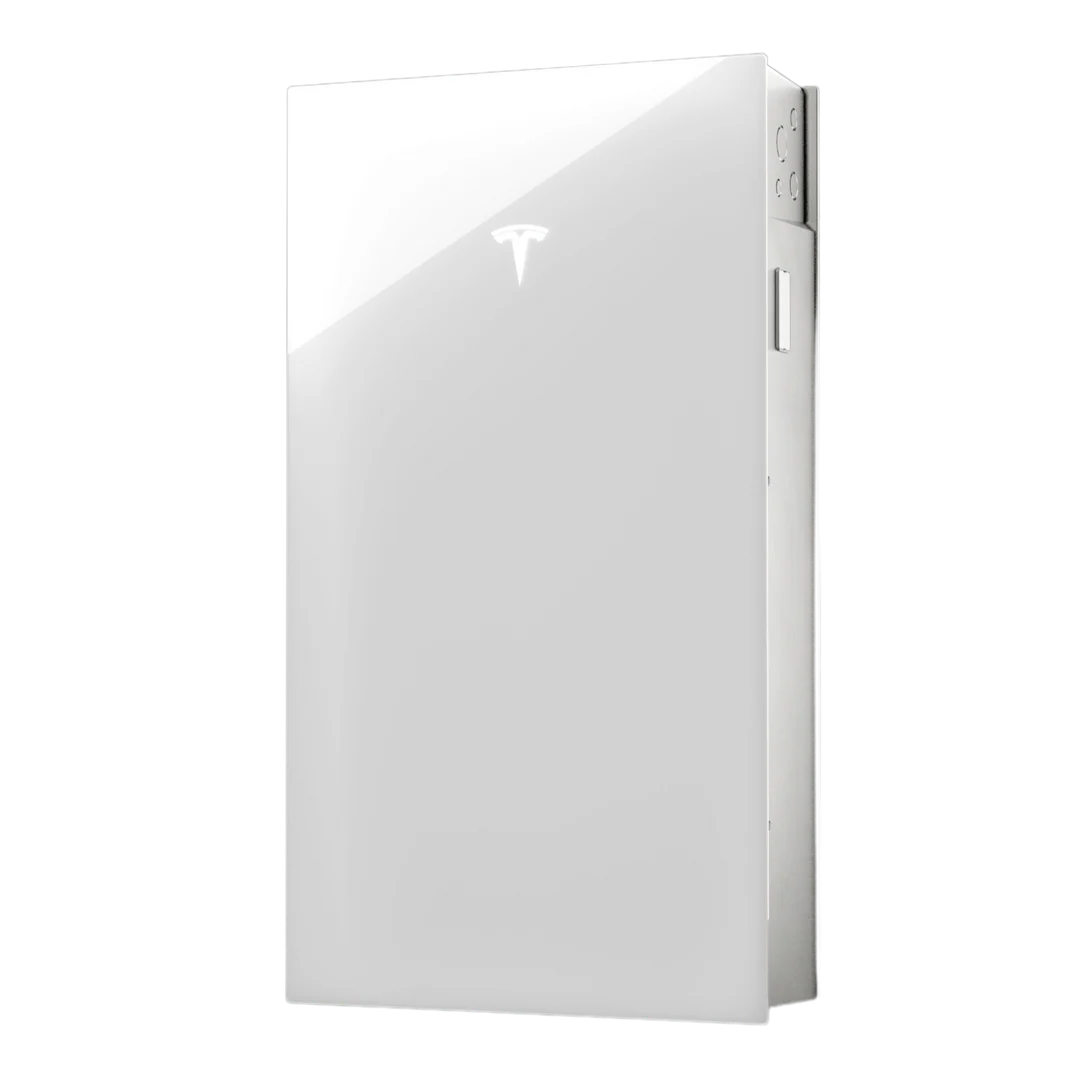
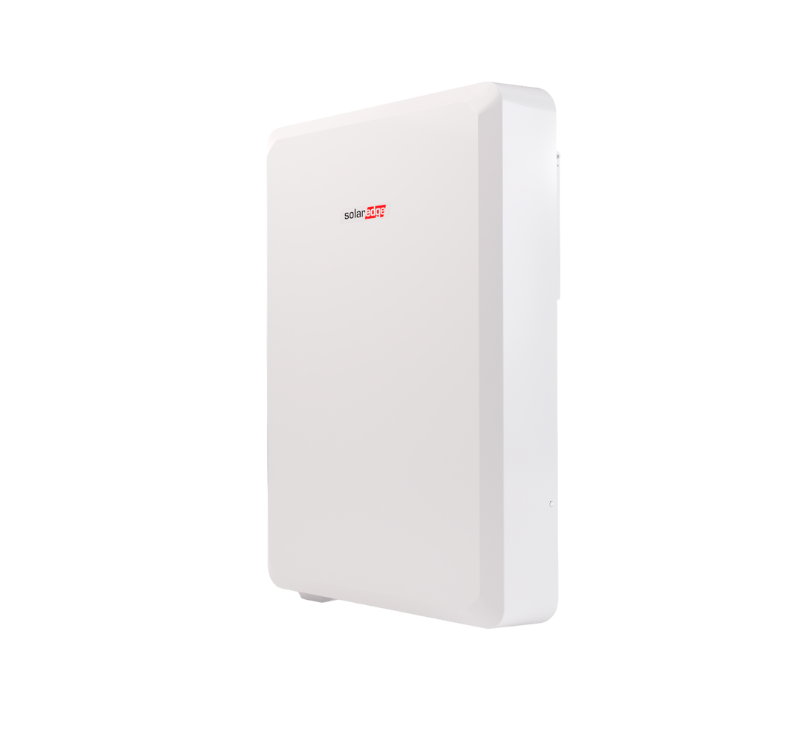
| Hybrid | $2,500 to $4,500 | 5 to 10 years | Adding a battery now or later |
| Microinverter | $150 to $250 per unit (supply only; installation extra) | Varies by model | Shaded roofs and single-unit failures |
Treat this solar inverter replacement price guide as indicative: figures are Australian estimates, including GST and installation unless stated otherwise. Actual quotes vary by inverter model, system configuration, and electrical work required.
Hybrid inverter replacement prices vary by brand, capacity, and features. They can cost more than standard string inverters because they support battery storage and additional energy management functions. Compare the installed quote rather than assuming every hybrid inverter costs more.
String Solar Inverter Replacement Cost
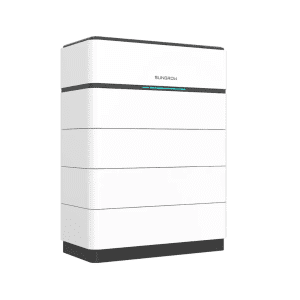
String inverter replacement generally costs $1,500 to $4,500 installed, depending on capacity, brand, and installation requirements. Brands such as Sungrow, Fronius, and SMA offer different models and price points. Compare warranty coverage, monitoring features, and Australian manufacturer support before choosing a replacement.
Hybrid Solar Inverter Replacement Cost
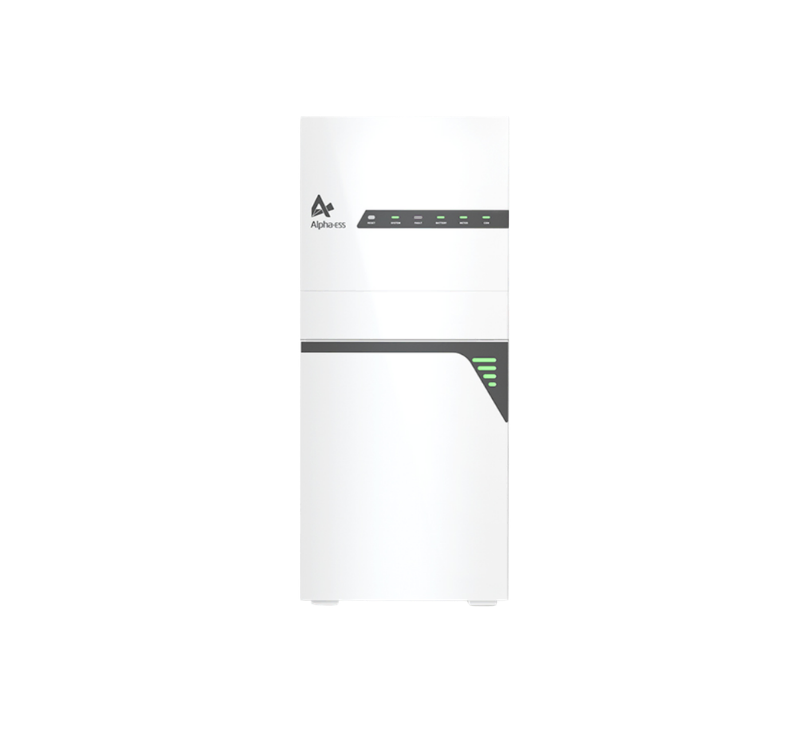
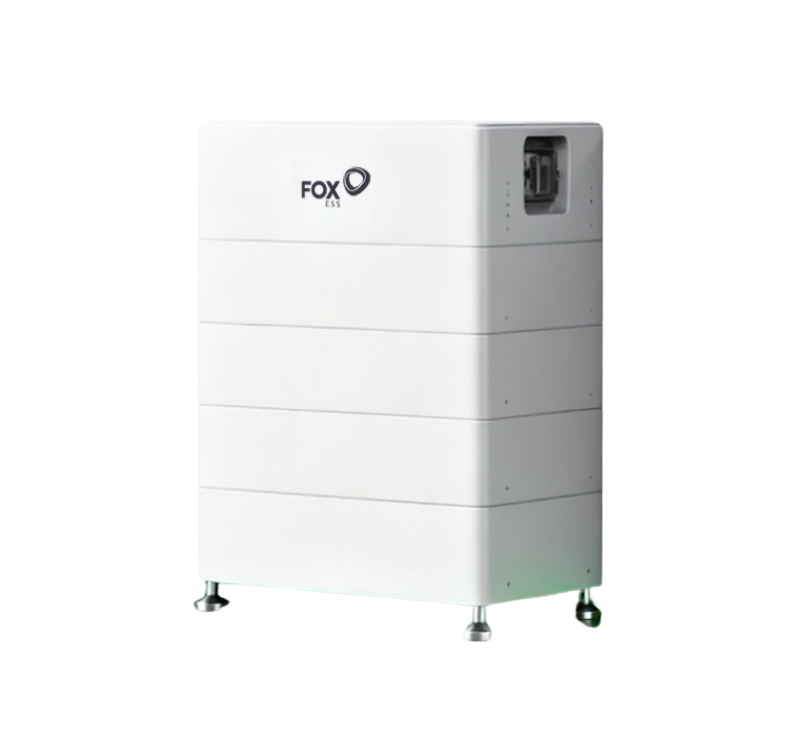
Hybrid inverter replacement costs vary depending on capacity, battery compatibility, and backup features. A hybrid inverter can support solar generation and battery storage in one system, making it an option for homeowners planning to add a compatible battery.
Microinverter Replacement Cost
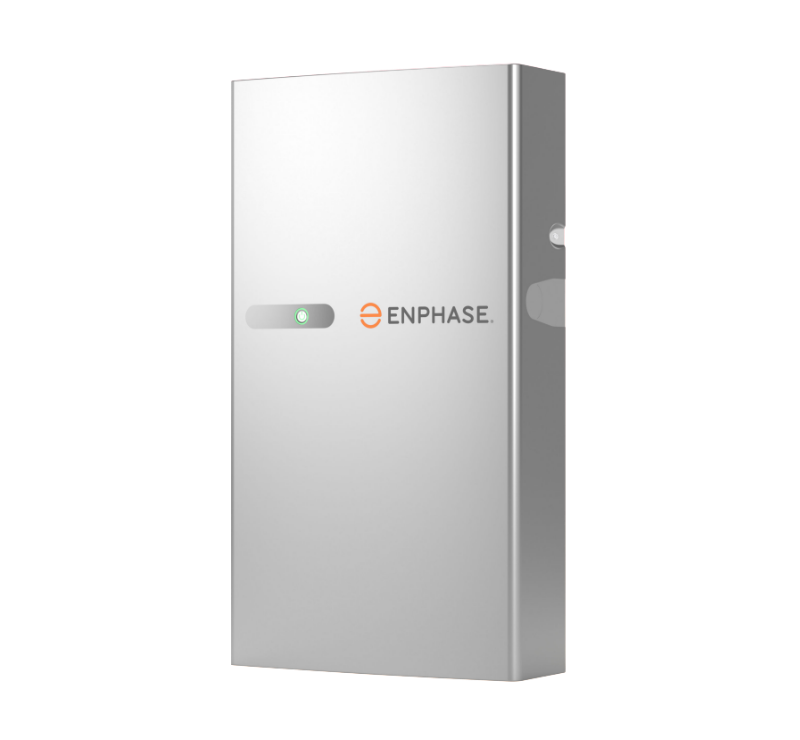
Microinverter replacement may cost around $150 to $250 per unit for supply, depending on the model. Examples include Enphase microinverters. Installation, electrician call-out, and roof access charges are additional. Replacing one faulty microinverter usually avoids replacing the entire solar inverter system.
What Does Solar Inverter Installation Cost in Australia?
Your solar inverter installation cost in Australia quote can differ widely because of what is and is not included. Consider the following:
- Labour and call-out fees: Fault diagnosis and electrician visits may cost $200 to $600. Confirm whether removal and disposal of the old inverter are included.
- DC isolator replacement: A faulty isolator may require additional repair or replacement, depending on the fault and equipment.
- Switchboard and compliance upgrades: Older switchboards, additional wiring, and required electrical upgrades can increase the total installation cost.
- Accessibility: Difficult roof access and complex installation conditions may increase labour charges.
Note: Check whether the quoted replacement price includes fault diagnosis, call-out fees, old inverter disposal, and additional electrical work. These costs may be charged separately.
Solar Inverter Replacement Cost by System Size
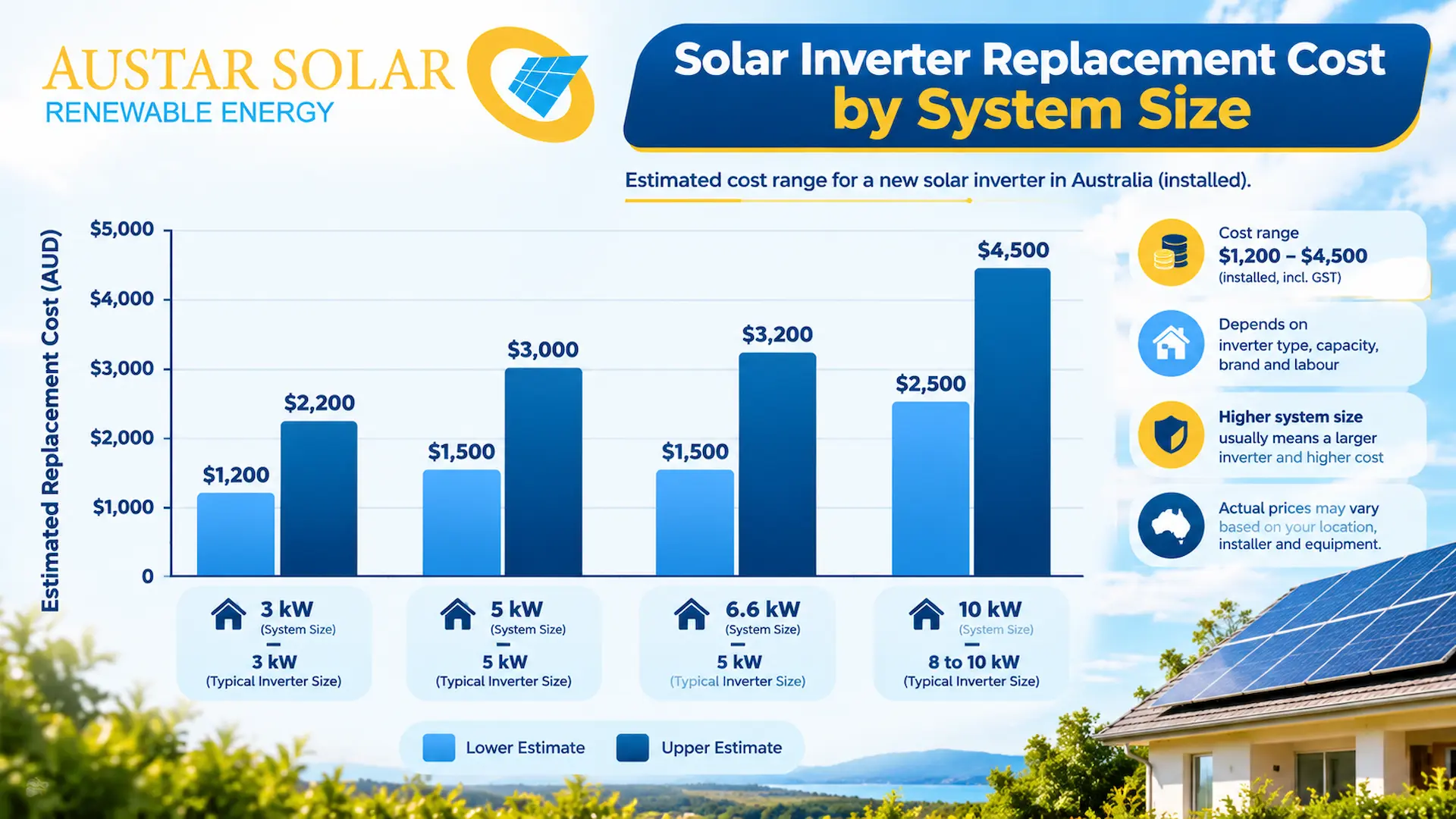
| System Size | Typical Inverter Size | Estimated Replacement Cost |
| 3 kW | 3 kW | $1,200 to $2,200 |
| 5 kW | 5 kW | $1,500 to $3,000 |
| 6.6 kW | 5 kW | $1,500 to $3,200 |
| 10 kW | 8 to 10 kW | $2,500 to $4,500 |
Indicative Australian replacement costs, including GST and installation.
Example: A 6.6 kW solar panel system commonly uses a 5 kW inverter. This design uses a DC/AC ratio above 1, allowing the panel array to have a higher rated capacity than the inverter’s AC output. A 10 kW system may use a three-phase inverter, depending on the property’s electrical connection and network requirements.
How Do You Know If Your Solar Inverter Is Failing?
Common signs of a failing solar inverter include:
- Recurring error codes, such as grid or isolation faults.
- Red or orange warning lights.
- Solar generation dropping unexpectedly.
- Frequent shutdowns during operation.
- The same fault returning after repairs.
Solar Inverter Error Codes and Warning Lights
Check the manufacturer’s manual to understand the warning light or error code. Some alerts relate to grid conditions, while others may indicate equipment faults.
Unexpected Drops in Solar Power Output
Compare your monitoring data with the same period last year. Check for shading, dirt, and weather changes before assuming the inverter is faulty.
Shutdowns and Repeated Faults
Frequent shutdowns or recurring faults may indicate overheating or component problems. Contact a qualified installer for diagnosis before deciding whether to repair or replace the inverter.
How Long Do Solar Inverters Last?
The answer to how long do solar inverters last depends on the type. Most string solar inverters last around 10 to 15 years. Microinverters can have manufacturer warranties of up to 25 years, while hybrid inverter lifespan varies by model, usage, and operating conditions.
High temperatures, direct sunlight, poor ventilation, humidity, and coastal conditions can affect inverter performance and lifespan.
Solar Inverter Warranty in Australia
Typical solar inverter warranty terms in Australia range from 5 to 10 years, depending on the manufacturer and model. Some manufacturers offer extended coverage. Check the product warranty, extension conditions, and whether installation labour is included.
Solar Inverter Repair vs Replacement: Which Is Better?
When weighing solar inverter repair vs replacement, repair is usually worth considering when an inverter is relatively new, the fault is minor, and warranty coverage is available. Replacement may be more economical when the inverter is older, repeatedly failing, out of warranty, or no longer supported.
As a general rule of thumb, consider repair when the cost is substantially lower than replacement and the inverter has sufficient remaining service life.
| Criteria | Favours Repair | Favours Replacement |
| Repair Cost Compared With Replacement | Well under half of a new unit | About half of a new unit or more |
| Remaining warranty | Still covered | Expired |
| Inverter age | Under about 8 years | 10 years or older |
| Parts availability | Parts easy to source | Discontinued or hard to find |
| Likelihood of Further Faults | Fault is isolated | Repeated faults |
Minor repairs, such as replacing a faulty fan, may cost considerably less than installing a new inverter. However, the final decision should consider repair costs, remaining warranty, parts availability, and the likelihood of further faults. If your original installer has closed, manufacturer support may become particularly important.
Can You Replace a Standard Solar Inverter With a Hybrid Inverter?
Yes. A hybrid inverter upgrade Australia homeowners choose lets you replace a standard solar inverter with a compatible hybrid inverter to prepare for battery storage. The existing solar panels, electrical configuration, and battery requirements must be checked before installation. If you are planning a battery, see our guide to solar battery installation.
- Battery compatibility: Check the manufacturer’s approved battery list before selecting a hybrid inverter. See also our solar battery storage guide.
- Panel compatibility: Confirm voltage, string configuration, and inverter capacity.
- AC-coupled vs DC-coupled: Check which configuration suits your existing solar system and planned battery installation.
- Backup requirements: Blackout protection may require additional circuits, a backup gateway, or switchboard upgrades.
- Installation costs: Extra wiring and electrical work can increase the total replacement price.
Are There Rebates for Solar Inverter Replacement in Australia?
Generally, replacing an existing solar inverter alone does not qualify for new Small-scale Technology Certificates (STCs). However, adding eligible solar panels or installing a new eligible system may have different STC requirements. See the Clean Energy Regulator’s guide to small-scale systems eligible for certificates for details.
- Solar STCs: An inverter-only replacement generally does not generate new STCs. Eligibility can differ for qualifying system extensions or complete replacements.
- Federal battery rebate: Adding an eligible battery may qualify for the Cheaper Home Batteries Program, subject to current product, installer, and installation requirements.
- NSW incentives: Eligible battery installations may qualify under the NSW Peak Demand Reduction Scheme, subject to scheme rules.
- ACT incentives: Check the ACT Sustainable Household Scheme and current ACT battery financing or incentive arrangements for applicable eligibility.
Rebate availability and eligibility can change, so confirm current requirements with the relevant government program before including an incentive in your budget.
How to Choose the Right Replacement Inverter
- Efficiency and warranty: Compare weighted-average efficiency, manufacturer warranty, and installer labour coverage. A 10-year product warranty will not be worth much if installation labour is covered for only one year.
- Monitoring and grid compatibility: Choose an inverter with online monitoring. Check the Clean Energy Council approved inverter list and applicable AS/NZS 4777.2:2020 requirements, including Amendment 2:2024 where relevant.
- Installer and manufacturer support: Choose a suitably licensed and Solar Accreditation Australia (SAA) accredited installer. Check the manufacturer’s Australian support, warranty process, and replacement part availability.
The AS/NZS 4777.2 standards amendment became effective on 23 August 2025, and non-compliant inverter models were removed from the approved list. If you are also weighing a bigger upgrade, see our solar panel installation and solar system installation costs pages.
What Should a Solar Inverter Replacement Quote Include?
- Inverter brand, model, and hardware costs.
- Labour, call-out, and installation charges.
- Electrical upgrades, compliance, and old inverter disposal.
- Manufacturer and installer warranty details.
- Network approval or notification requirements, where applicable.
Final Thoughts
Replacing a solar inverter in Australia typically costs $1,500 to $4,500 for most residential systems. The right choice depends on your existing system, inverter compatibility, warranty coverage, and future battery plans.
Compare itemised quotes, confirm what each one includes, and check that the inverter is on the approved list before you commit. A well-chosen replacement keeps your system generating reliably, and a hybrid model can make adding a battery later much simpler.
Austar Solar provides solar assessment and replacement services across NSW and ACT. Contact our team for an inverter assessment and an itemised replacement quote, or get a solar quote today. We will check your current inverter, explain your repair and replacement options, and give you clear, itemised pricing.
FAQ’s on Solar Inverter Replacement Cost Australia
How Long Does Solar Inverter Replacement Take?
Most residential solar inverter replacements take around 2–4 hours, provided the new inverter is available and compatible with the existing system. Complex installations may take longer if they require switchboard upgrades, additional wiring, system testing or network approval.
Do I Need to Replace My Solar Panels When Replacing the Inverter?
No. You can usually keep your existing solar panels if they are in good condition and their voltage, current, and string configuration are compatible with the new inverter. An installer should check panel performance and electrical specifications before replacement.
Is Solar Inverter Replacement Covered Under Warranty?
Solar inverter replacement may be covered by the manufacturer’s warranty if the unit develops a qualifying fault within the warranty period. However, labour, removal and installation costs may not be covered. Australian Consumer Law consumer guarantees may also provide additional protection depending on the circumstances. Check the ACCC consumer guarantees before paying for a replacement.
Do I Need Network Approval to Replace a Solar Inverter?
Sometimes. Replacing an inverter with a different model, increasing system capacity, changing phases or modifying the grid connection may require approval or notification from your electricity distributor. Requirements vary across Ausgrid, Endeavour Energy, Essential Energy and Evoenergy networks. Your accredited installer should check the applicable connection rules and complete any required paperwork before installation.