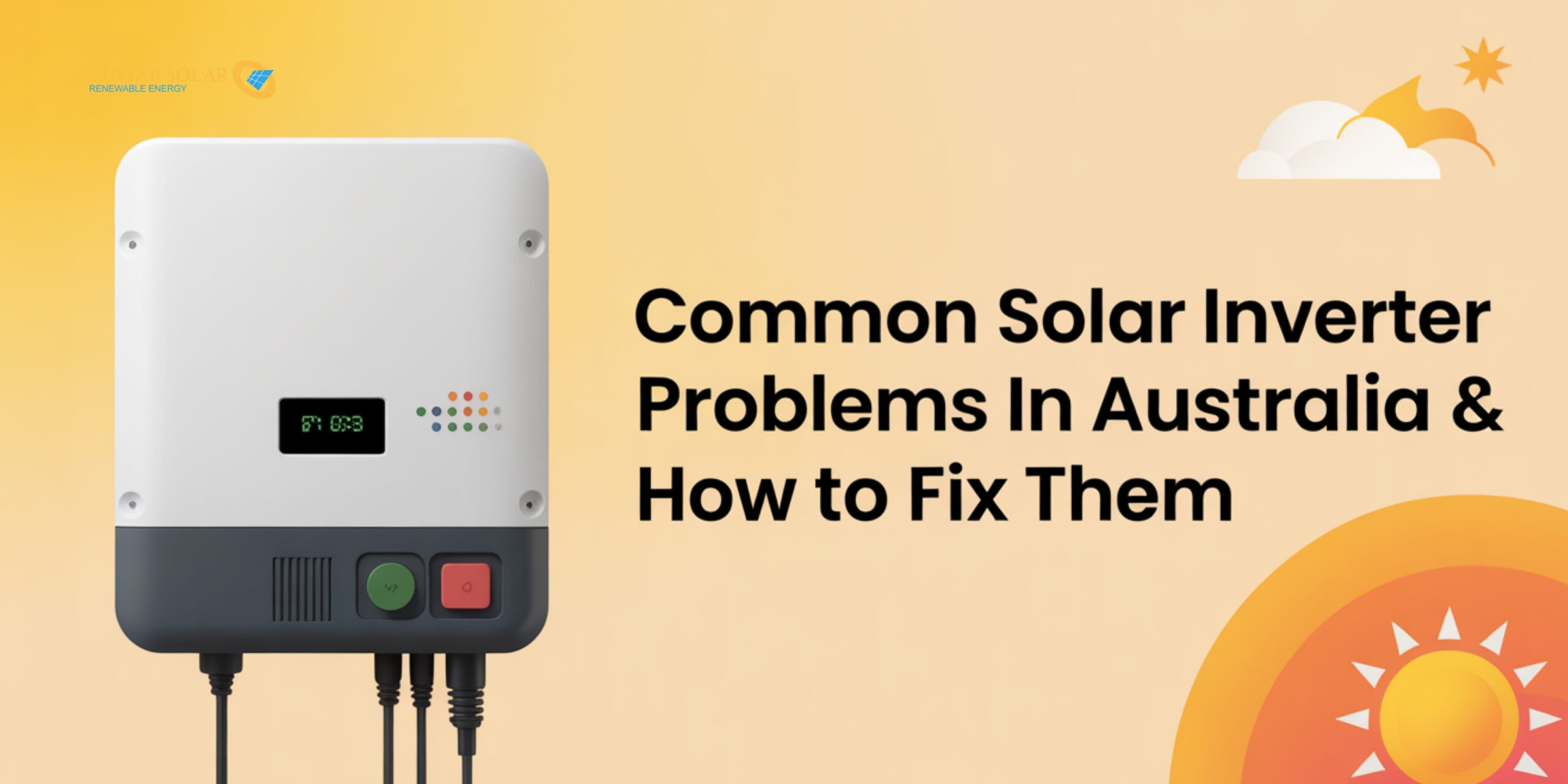
Solar inverters are the heart of your solar power system, converting DC electricity from panels into usable AC power for your home. However, Australian households frequently encounter Common Solar Inverter Problems in Australia & How to Fix Them, ranging from overheating issues to grid disconnections. Understanding these problems and their solutions can save you thousands in repair costs while maximizing your system’s efficiency. This comprehensive guide explores the most prevalent inverter issues faced by Australian solar owners and provides practical troubleshooting steps to restore optimal performance.
Understanding Solar Inverters and Their Role
Solar inverters perform the critical function of converting direct current (DC) generated by solar panels into alternating current (AC) that powers household appliances. In Australia’s competitive renewable energy market, inverters from brands like Fronius, SMA, SolarEdge, and Huawei dominate installations. These devices also monitor system performance, ensure safety compliance, and optimize energy production throughout varying weather conditions.
The harsh Australian climate, characterized by extreme temperatures and intense UV radiation, places additional stress on inverter components. Most quality inverters are designed to last 10-15 years, but environmental factors and operational issues can significantly impact their lifespan and performance.
Most Common Solar Inverter Problems in Australia
Overheating and Thermal Shutdown
Australia’s scorching summers create one of the most frequent inverter problems: overheating. When internal temperatures exceed safe operating limits (typically 60-75°C), inverters automatically shut down to prevent component damage. This protective measure results in zero energy production until temperatures decrease.
Causes of overheating include:
- Direct sun exposure on the inverter unit
- Poor ventilation in installation locations
- Accumulated dust is blocking the cooling vents
- Inadequate spacing between the inverter and the walls
- Ambient temperatures exceeding manufacturer specifications
Solutions: Install shade structures or relocate inverters to cooler locations like garages or covered outdoor areas. Ensure a minimum of 300mm clearance around the unit for air circulation. Regular cleaning of cooling vents (every 3-6 months) prevents dust accumulation. Consider upgrading to inverters with higher temperature ratings if your location experiences extreme heat regularly.
Grid Disconnection and Voltage Issues
Australian grid voltage fluctuations cause inverters to disconnect as a safety measure. AS/NZS 4777.2:2020 standards require inverters to shut down when grid voltage falls outside the acceptable range of 207-253V for single-phase connections.
Common triggers:
- Grid voltage spikes during low-demand periods
- High solar penetration in your neighborhood
- Utility network maintenance activities
- Faulty grid connection points
Fixes: Contact your electricity distributor to report persistent voltage issues. Install voltage regulation devices or consider upgrading to a hybrid inverter with better voltage tolerance. Certified electricians can adjust inverter voltage settings (within manufacturer limits) to accommodate local grid conditions. Dynamic export limiting technology can also reduce disconnection frequency.
Display Screen Errors and Fault Codes
Modern inverters communicate problems through error codes displayed on LCD screens or monitoring apps. Common Australian fault codes include overcurrent warnings, insulation resistance failures, and communication errors.
Troubleshooting steps:
- Note the exact error code displayed
- Consult your inverter manual for code meanings
- Photograph the display for technician reference
- Perform a soft reset by switching off the DC and AC isolators for 60 seconds
- Contact your installer if errors persist after a reset
Many temporary faults resolve through simple reboots, but recurring codes indicate underlying problems requiring professional assessment.
Inverter Not Producing Power
Complete power loss from your inverter represents a critical failure requiring immediate attention. Australian households lose approximately $15-40 daily in solar savings when inverters stop functioning.This is also a common solar inverter problem.
Diagnostic checklist:
- Verify the DC isolator switch is in the “ON” position
- Check the AC isolator hasn’t tripped
- Inspect the circuit breaker panel for tripped switches
- Examine the inverter display for error messages
- Test if panels are generating voltage using a multimeter (qualified personnel only)
Resolution: If basic checks reveal no obvious issues, the problem likely involves internal component failure, damaged wiring, or faulty isolation equipment. These situations require licensed solar technicians equipped with specialized testing equipment. Never attempt to open inverter casings or work with high-voltage DC connections without proper qualifications.
Communication and Monitoring Failures
Wi-Fi connectivity problems prevent remote monitoring of your solar system, making it difficult to track performance and identify issues early. While panels continue generating power, you lose valuable production data and fault notifications.
Common causes:
- Router location too far from inverter
- Wi-Fi password changes not updated in inverter
- Firmware requiring updates
- Faulty communication cards or dongles
Fixes: Reconnect inverter to Wi-Fi through the device menu or monitoring app. Position routers within 10-15 meters of inverters or install Wi-Fi range extenders. Update firmware through manufacturer apps when notifications appear. Replace communication hardware if physical damage or corrosion is evident (common in coastal areas).
Common Inverter Problems Comparison Table
| Problem Type | Frequency in Australia | Typical Repair Cost | DIY Fixable | Professional Required |
| Overheating | Very High | $0-$500 | Yes (relocation) | Sometimes |
| Grid Disconnection | High | $150-$800 | No | Yes |
| Display Errors | Medium | $0-$1,200 | Sometimes | Often |
| No Power Output | Medium | $300-$2,500 | Rarely | Yes |
| Communication Issues | Medium-High | $0-$350 | Yes | Rarely |
| Component Failure | Low | $800-$3,500 | No | Always |
Preventative Maintenance Tips
Regular maintenance extends inverter lifespan and prevents costly breakdowns. Australian conditions demand more frequent attention than manufacturers’ standard recommendations suggest.
Essential maintenance schedule:
- Monthly: Check inverter display for errors and production levels
- Quarterly: Clean cooling vents and inspect for physical damage
- Bi-annually: Professional system inspection including thermal imaging
- Annually: Comprehensive electrical testing by certified technicians
Keep vegetation trimmed around ground-mounted inverters to maintain airflow. Document your system’s normal production patterns to quickly identify performance drops. Monitor weather seals on outdoor installations, especially before storm seasons.
When to Call a Professional
Australian electrical regulations prohibit unlicensed individuals from performing certain solar system work. Contact qualified solar electricians when experiencing:
- Persistent fault codes after basic troubleshooting
- Burning smells or visible component damage
- Frequent thermal shutdowns despite adequate ventilation
- Grid voltage problems requiring utility coordination
- Any work involving DC isolation, wiring modifications, or internal repairs
- Warranty-covered issues requiring manufacturer authorization
Choose Clean Energy Council accredited installers for repairs to ensure compliance with Australian standards and maintain system warranties. Request detailed reports documenting problems and solutions performed.
Warranty Considerations
Most quality inverters sold in Australia include 5-10 year manufacturer warranties, with some premium models offering extended coverage. Understanding warranty terms prevents out-of-pocket expenses for covered repairs.
Warranty typically covers:
- Manufacturing defects and component failures
- Performance degradation below specified levels
- Replacement units or parts for confirmed faults
Warranty exclusions:
- Damage from improper installation
- Lightning strikes and grid surges (unless specified)
- Unauthorized repairs or modifications
- Normal wear from environmental exposure
- Neglected maintenance requirements
Register products immediately after installation and maintain service records. Some manufacturers require professional annual inspections to validate warranty coverage.
Upgrading vs. Repairing Your Inverter
When inverters approach 8-10 years of age, replacement often makes more financial sense than expensive repairs. Modern inverters offer significant efficiency improvements, better monitoring capabilities, and enhanced grid compatibility features.
Consider replacement when:
- Repair costs exceed 60% of new inverter price
- Current inverter lacks smart monitoring features
- You’re expanding your solar array capacity
- Existing model shows repeated failures
- New technology offers substantial efficiency gains
Hybrid inverters with battery compatibility future-proof your system for energy storage integration, increasingly valuable as battery prices decline and electricity rates rise across Australia.
Frequently Asked Questions
How long do solar inverters typically last in Australia?
Quality inverters last 10-15 years in Australian conditions, though harsh climates may reduce lifespan to 8-12 years. Regular maintenance and proper installation location significantly impact longevity.
Can I reset my solar inverter myself?
Yes, most inverters can be safely reset by switching off the DC isolator, then the AC isolator, waiting 60 seconds, and switching them back on in reverse order. However, if problems persist, contact professionals.
Why does my inverter keep shutting down on hot days?
Thermal shutdown occurs when internal temperatures exceed safe limits. This commonly results from direct sun exposure, poor ventilation, or inadequate clearance around the unit. Relocating the inverter or improving ventilation typically resolves the issue.
Are inverter problems covered by warranty?
Manufacturing defects and component failures are typically covered under warranty (5-10 years), but damage from improper installation, environmental factors, or unauthorized repairs usually aren’t covered. Check your specific warranty terms.
Conclusion
Understanding common solar inverter problems empowers Australian households to maintain optimal system performance and minimize downtime. While some issues require professional intervention, many problems can be prevented through regular maintenance and proper installation practices. By staying vigilant and addressing issues promptly, you’ll maximize your solar investment’s returns for years to come. Remember that quality installation and routine checkups represent the best insurance against costly inverter failures.